
Forest Ecosystem: Types, Characteristics, Structure, and Importance
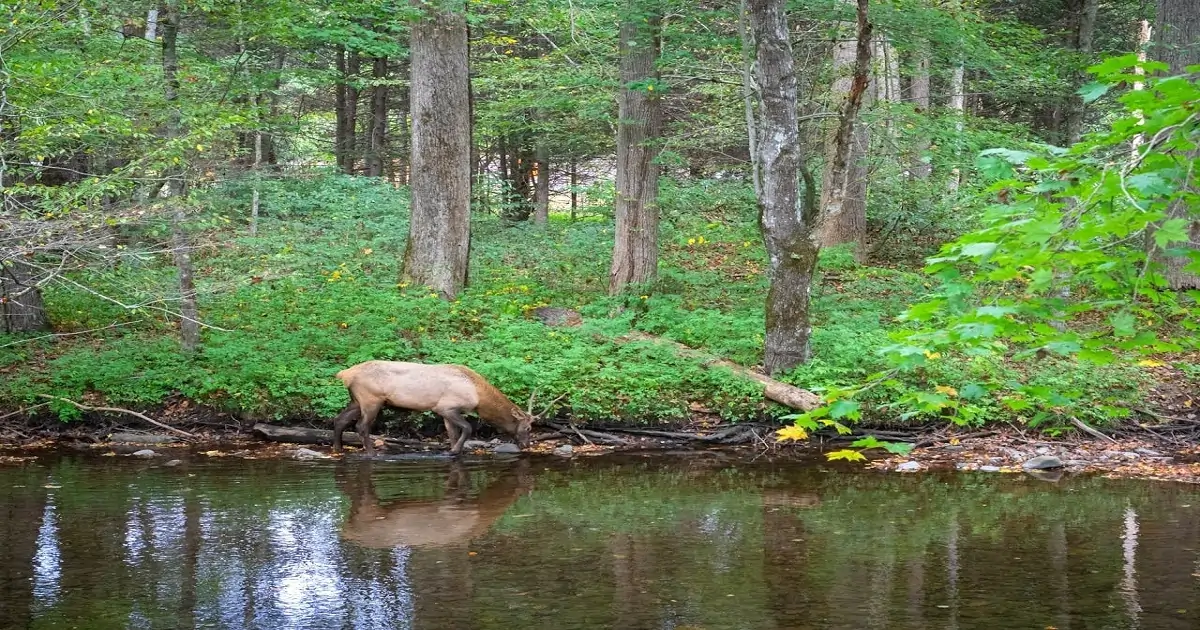
A forest ecosystem is a natural system where plants, animals, and non-living elements interact to sustain life. It includes different types, structures, and components that support biodiversity, regulate climate, and maintain ecological balance.
Forests operate through interconnected processes that support life at multiple levels. Each part, from roots to canopy, plays a role in maintaining life and energy flow.
Across the world, forest ecosystems vary in type, structure, and function. Some are dense and tropical, while others are cold and sparse. However, all forests contribute to climate regulation, biodiversity, and human survival.
What is a Forest Ecosystem
Forests are more than just groups of trees. They function as dynamic natural systems where different forms of life depend on each other. Plants, animals, and environmental conditions remain closely connected.
These connections shape how forests grow, adapt, and sustain life over time. To understand this system clearly, it is important to define what a forest ecosystem actually means.
Simple Definition
A forest ecosystem is a natural system where living organisms interact with non-living elements in a forest. Trees, animals, soil, water, and sunlight work together as one unit. This ecosystem depends on balanced biotic and abiotic interaction to sustain life.
Forest Ecosystem vs General Ecosystem
An ecosystem is any area where living and non-living components interact. It can be small, like a pond, or large, like a desert. However, a forest ecosystem is more specific and complex.
A forest ecological system has dense vegetation and layered growth. It supports more species compared to many other ecosystems. Therefore, interactions here are more intense and continuous.
In addition, forests show strong connections between organisms and their environment. This makes them highly dynamic and self-sustaining systems.
Key Interactions in a Forest Ecosystem
In a forest ecosystem, plants use sunlight to produce food through photosynthesis. Animals depend on plants directly or indirectly for energy. Thus, energy flows from producers to consumers.
Decomposers, such as fungi and bacteria, break down dead matter. They return nutrients to the soil, which supports new plant growth. Therefore, the cycle continues without interruption.
Besides, abiotic factors like water, temperature, and soil affect how organisms survive. These constant interactions maintain balance in the forest environment.
Characteristics of a Forest Ecosystem
Forest ecosystems show distinct features that set them apart from other natural systems. These characteristics reflect how forests grow, support life, and maintain balance. From high biodiversity to complex structures, each feature plays a role in shaping the forest environment.
High Biodiversity
Forests support a wide variety of plants, animals, and microorganisms. This biodiversity richness makes them one of the most diverse ecosystems on Earth.
Different species live in different layers and conditions. Therefore, forests provide habitats for both large animals and tiny organisms. This diversity also increases ecosystem stability.
Dense Vegetation
Forests are known for high vegetation density. Trees grow close together and form thick green cover. This creates shade and limits sunlight reaching the ground.
As a result, smaller plants adapt to low light conditions. In addition, dense vegetation helps retain moisture and supports life in dry periods.
Stratification
Stratification means vertical layering of vegetation in forests. These layers include the canopy, understory, and forest floor. Each layer has different light and temperature conditions.
Plants and animals adapt to specific layers. Therefore, this structure allows many species to coexist without direct competition.
Complex Food Webs
Forest ecosystems have interconnected food chains forming complex food webs. Herbivores eat plants, while carnivores feed on other animals. Thus, energy flows through multiple pathways.
If one species declines, others may still survive due to these connections. Therefore, food webs increase the resilience of forest ecosystems.
Climate Influence
Forests play a key role in regulating climate. They absorb carbon dioxide and release oxygen, which helps control global temperature.
In addition, forests influence rainfall patterns and humidity. This makes them essential for maintaining environmental balance at both local and global levels.

Components of a Forest Ecosystem
A forest ecosystem works through the interaction of living and non-living components. These ecosystem elements depend on each other to maintain balance. Even a small change in one part can affect the entire system.
These components work together to create a stable and self-supporting environment. Together, they form a stable and self-supporting environment. A closer look at biotic and abiotic components in forests helps show how these parts connect.
Biotic Components
Biotic components include all living organisms in a forest. These range from large trees to small microorganisms. Each plays a specific role in the ecosystem.
Plants act as producers and make food using sunlight. Animals depend on plants or other animals for energy. In addition, decomposers break down dead matter and return nutrients to the soil.
Abiotic Components
Abiotic components are the non-living parts of a forest ecosystem. These include sunlight, water, soil, temperature, and air. They create the physical conditions needed for life.
For example, sunlight provides energy for plant growth. Soil supplies nutrients, while water supports survival. Therefore, abiotic factors in forests directly influence how organisms live and grow.
Interaction Between Components
Biotic and abiotic components constantly interact with each other. Plants use sunlight, water, and soil nutrients to grow. Animals rely on plants and environmental conditions for survival.
When leaves fall, decomposers break them down into nutrients. These nutrients return to the soil and support new growth. Thus, this continuous cycle keeps the forest ecosystem active and balanced.
Structure of a Forest Ecosystem
A forest ecosystem has a distinct vertical structure. This structure forms different layers based on height and light availability. Each layer supports unique forms of life.
This vertical arrangement, known as stratification, shapes how plants and animals occupy space. Differences in light, moisture, and temperature across layers influence growth and survival, as seen in forest layers such as canopy, understory, and forest floor.
Canopy Layer
The canopy is the top layer formed by the crowns of tall trees. It receives the most sunlight and supports many birds and insects.
This layer acts like a protective cover for the forest. It also controls how much light reaches the lower layers.
Understory Layer
The understory lies below the canopy and receives limited sunlight. It contains smaller trees, shrubs, and young plants.
Plants here adapt to low light conditions. Therefore, they grow slowly and develop broader leaves to capture available light.
Forest Floor
The forest floor is the lowest layer and receives very little sunlight. It is covered with fallen leaves, branches, and organic matter.
Decomposers are highly active in this layer. They break down organic material and enrich the soil with nutrients.
Why Structure Matters
The layered structure allows different species to live without direct competition. Each layer offers unique conditions for survival.
Thus, stratification increases biodiversity and stability. It also supports efficient use of light, space, and resources within the forest ecosystem.
Types of Forest Ecosystems
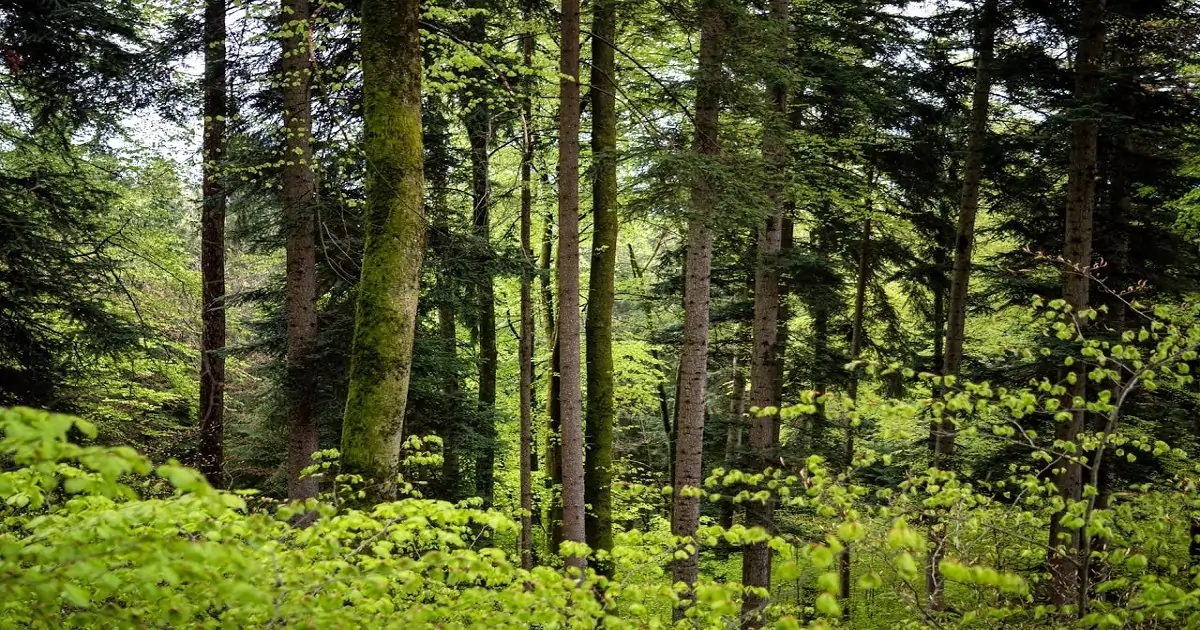
Forest ecosystems vary across the world based on climate, location, and vegetation. These differences create distinct forest types, each with unique conditions and species. From warm tropical regions to cold northern zones, forests adapt to their environment.
This variation in forest biomes reflects global forest distribution. Temperature, rainfall, and altitude shape how forests grow and function. As a result, each type supports different forms of life and ecological processes.
Tropical Forest Ecosystem
Tropical forests grow near the equator, where temperatures remain warm throughout the year. These forests receive heavy rainfall, which supports dense vegetation and high biodiversity.
They are known for thick canopies and rich species diversity. Many plants and animals found here do not exist elsewhere. Constant warmth and moisture support rapid growth and continuous life cycles, which shape tropical forest climate and biodiversity patterns.
Temperate Forest Ecosystem
Temperate forests occur in regions with moderate temperatures and seasonal changes. These forests experience warm summers and cold winters, along with balanced rainfall.
Trees in temperate forests often shed leaves during autumn. This adaptation helps them survive colder months. The mix of climate and vegetation creates diverse habitats, shaping temperate forest climate and vegetation patterns.
Boreal Forest (Taiga)
Boreal forests, also called taiga, are found in high northern latitudes. These regions have long, cold winters and short summers. Snow covers the ground for much of the year.
Coniferous trees like pine and spruce dominate this forest type. They are adapted to cold conditions and poor soil. Even in harsh weather, life persists through specialized traits seen across boreal forest regions and their unique adaptations.
Other Forest Types (brief mention)
Some forest types exist in special environments. Mangrove forests grow along coastal areas where saltwater is present. Their roots are adapted to tidal conditions and unstable soil.
Montane forests develop in mountainous regions. These forests change with altitude and climate. Therefore, vegetation varies at different heights, creating unique ecological zones.
Forest Ecosystem Examples
Forest ecosystems can be observed in many parts of the world. Each example shows how climate and geography shape forest life. These real-world forests highlight the diversity and adaptability of forest ecosystems.
Tropical (Amazon Rainforest)
The Amazon Rainforest is one of the largest tropical forests on Earth. It has dense vegetation and supports millions of species. Warm temperatures and heavy rainfall drive its growth and biodiversity.
Mangrove (Sundarbans)
The Sundarbans is a well-known mangrove forest located in coastal regions in India. It is adapted to saline water and tidal changes. This ecosystem supports unique wildlife, including species adapted to both land and water.
Boreal (Taiga Region)
The taiga region across Canada and Russia is a major boreal forest example. It consists mainly of coniferous trees and cold-resistant species. Long winters and short summers define life in this ecosystem.
What Lives in a Forest Ecosystem
A forest ecosystem supports a wide range of living organisms. These include plants, animals, and microscopic life forms. Together, they create a balanced and active ecosystem.
Plants and Trees
Plants form the base of the forest ecosystem. Trees, shrubs, and grasses produce food using sunlight. They also provide shelter and oxygen for other organisms.
Animals and Birds
Forests are home to many animals and birds. Herbivores feed on plants, while carnivores hunt other animals. Birds use trees for nesting and protection.
Different species adapt to different forest layers. Therefore, forests support a wide variety of animal life.
Microorganisms
Microorganisms, such as bacteria and fungi, play a key role in forests. They break down dead organic matter and recycle nutrients.
This process supports plant growth and keeps the ecosystem functioning. Without microorganisms, nutrient cycles would stop, affecting the entire forest system.
Functions of a Forest Ecosystem
Forest ecosystems perform vital ecological roles that support life, maintain balance, and regulate natural processes. Each role connects closely with the health of the environment.
These ecosystem functions also influence global systems. Forests affect climate, soil, and water cycles. Therefore, their ecological role extends far beyond local boundaries.
Climate Regulation
Forests help regulate climate by absorbing heat and maintaining temperature balance. Tree cover reduces extreme temperature changes. This creates stable local climates.
In addition, forests influence rainfall patterns. Moisture released from leaves contributes to cloud formation. This role of forests in climate systems is widely noted in global forest and climate interactions. Thus, forests play a key role in maintaining regional weather systems.
Carbon Storage
Forests act as major carbon sinks. Trees absorb carbon dioxide during photosynthesis and store it in their biomass. This helps reduce greenhouse gases in the atmosphere.
As forests grow, they store more carbon over time. Therefore, they are important in controlling global warming and climate change.
Soil Protection
Tree roots bind soil and prevent erosion. This reduces the loss of fertile topsoil during rainfall or strong winds.
Fallen leaves also form a protective layer on the ground. This layer improves soil quality and supports nutrient cycling.
Water Cycle Regulation
Forests help regulate the movement of water through the environment. Trees absorb water from the soil and release it into the atmosphere.
This process supports rainfall and maintains groundwater levels. In addition, forests reduce surface runoff and prevent flooding.
Habitat Support
Forests provide shelter and food for many species. Different layers support different organisms, from insects to large mammals.
This diversity strengthens the ecosystem. Therefore, forests play a key role in preserving biodiversity and ecological stability.
Food Chain in a Forest Ecosystem
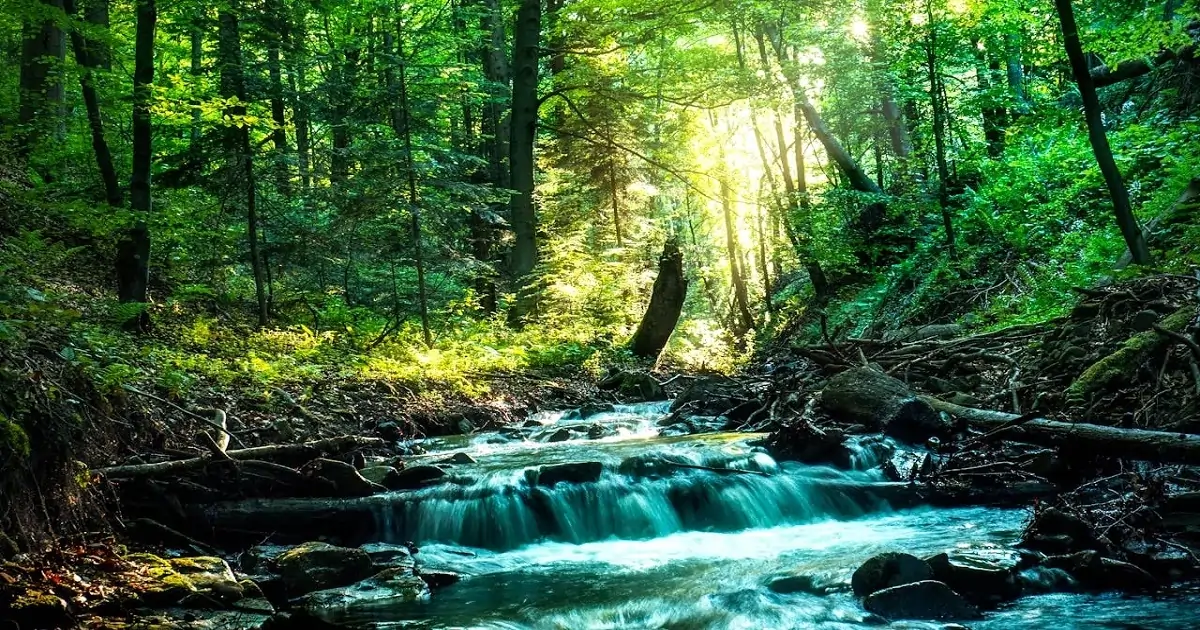
Energy flows through a forest ecosystem in a structured way. This flow connects all living organisms through feeding relationships, forming the basis of the forest food chain.
Different organisms occupy different trophic levels. Their roles ensure energy transfer and ecosystem balance. This structure is often described through forest food chains and trophic levels.
Producers
Producers are mainly green plants and trees. They make food using sunlight through photosynthesis. This forms the base of the food chain.
Producers supply energy to all other organisms. Without them, the ecosystem cannot function.
Consumers
Consumers depend on other organisms for food. Herbivores eat plants, while carnivores eat other animals. Omnivores consume both.
Each level of consumer plays a role in controlling population balance. Therefore, they help maintain stability in the ecosystem.
Energy Flow
Energy moves from producers to consumers through feeding relationships. However, energy decreases at each level due to loss as heat.
Thus, fewer organisms exist at higher trophic levels. This pattern helps maintain balance within the ecosystem.
Threats to Forest Ecosystems
Forest ecosystems face several threats that disturb their balance. These threats affect biodiversity, climate, and natural processes. Even small changes can lead to long-term damage.
Understanding these forest threats helps highlight the need for protection. Human actions and environmental changes both play a role in ecosystem degradation.
Deforestation
Deforestation involves the removal of trees for agriculture, industry, or urban use. This leads to habitat loss and reduced biodiversity.
Large-scale tree cutting also affects climate and soil quality. These impacts connect closely with deforestation causes and environmental effects** (Deforestation: Causes, Effects, and Prevention). Forest loss at a global level is also visible in deforestation and forest degradation trends.
Climate Change
Climate change alters temperature and rainfall patterns. These changes affect how forests grow and function.
Some species struggle to adapt to new conditions. Therefore, climate change can disrupt ecosystem stability and biodiversity.
Human Activities
Human activities such as mining, logging, and urban expansion impact forest ecosystems. These actions disturb natural habitats and ecological processes.
In addition, pollution affects soil and water quality. Protecting forests often depends on approaches linked to forest conservation methods and long-term sustainability.
Importance of Forests to Humans and Planet
Forests play a vital role in supporting both human life and natural systems. Their role extends beyond ecology and directly supports daily human life. From clean air to natural resources, forests provide essential benefits.
These forest benefits highlight strong human dependence on forests. They also support long-term environmental balance. The broader role of forests is reflected in human reliance on forest resources and climate stability.
Human Benefits
Forests provide oxygen, food, and medicinal resources. Many communities depend on forests for basic needs and survival.
In addition, forests offer materials such as wood and fiber. These resources support housing, tools, and daily life. Therefore, forests remain essential for human well-being.
Economic Value
Forests contribute to the economy through industries like timber, tourism, and agriculture. Many people earn their livelihood from forest-related activities.
Besides, forests support eco-tourism and local businesses. This creates employment and strengthens rural economies. Thus, forests hold strong economic value.
Environmental Stability
Forests help maintain environmental stability by regulating climate and supporting biodiversity. They protect soil, manage water cycles, and store carbon.
In addition, forests reduce the impact of natural disasters. Therefore, they play a key role in sustaining ecological balance and life on Earth.
Conclusion
Forest ecosystems are complex and dynamic systems that support life on Earth. They connect living organisms with non-living elements in a balanced and continuous cycle. From dense tropical forests to cold boreal regions, each type plays a unique role in nature.
These ecosystems regulate climate, store carbon, protect soil, and support biodiversity. In addition, they provide essential resources for human survival. Therefore, forests are not only important for the environment but also for human well-being.
However, growing threats such as deforestation and climate change are putting pressure on these systems. Protecting forest ecosystems is necessary to maintain ecological balance. A better understanding of their structure, functions, and importance helps build awareness and encourages responsible action.
Understanding forest ecosystems helps build awareness and supports efforts to protect these essential natural systems for future generations.