
Components of the Forest Ecosystem: Biotic and Abiotic Factors Explained
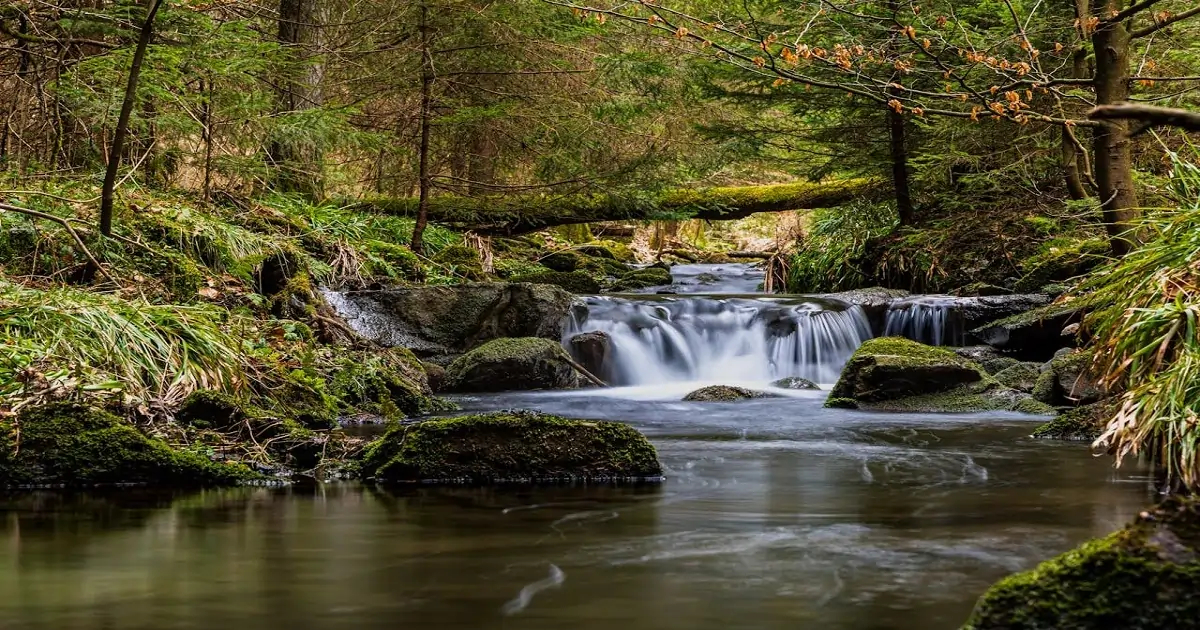
A forest is more than trees and animals. It works as a connected system made of many parts. These parts are known as the components of forest ecosystem, and they include both living and non-living elements. Together, they shape how a forest grows, survives, and adapts over time.
Some components are alive, such as plants, animals, and microorganisms. These are called biotic elements. Others, like sunlight, soil, water, and temperature, are non-living. These are known as abiotic elements. Both groups depend on each other to keep the forest stable.
For example, trees need sunlight and water to grow. In turn, animals rely on plants for food and shelter. Therefore, every part plays a role. Understanding these forest ecosystem components helps explain how energy flows and nutrients cycle within the forest environment.
What Are Ecosystem Components?
Ecosystem components are the basic parts that make any natural system work. These parts include both living and non-living elements that interact with each other. Together, they form a balanced environment where life can exist and grow, often defined in ecological studies as ecosystem components.
The components of an ecosystem are usually grouped into two main types. First are biotic components, which include all living organisms such as plants, animals, and microorganisms. These organisms depend on each other for food, shelter, and survival.
Second are abiotic components, which include non-living factors like sunlight, water, soil, air, and temperature. These elements provide the physical conditions needed for life. For example, plants need sunlight and water to produce food.
Therefore, ecological components do not work alone. Living and non-living elements constantly interact. This interaction supports energy flow and nutrient movement within the system. Understanding these living and non-living elements helps explain how ecosystems stay stable over time.
Components of the Forest Ecosystem
A forest is a complex natural system where many elements work together. The components of the forest ecosystem include both biotic and abiotic parts that interact continuously. These interactions shape how the forest grows, changes, and maintains balance.
In a forest environment, trees, animals, soil, water, and climate are closely connected. For example, trees depend on soil nutrients and sunlight, while animals rely on plants for food. At the same time, decomposers break down dead matter and return nutrients to the soil.
This continuous exchange forms a structured system, often described as forest ecosystem structure, where each component supports and regulates others. As a result, even small changes in one element can influence the entire ecological system in forests.
Biotic Components of the Forest Ecosystem
Biotic components include all living organisms found in a forest. These living elements form the active part of the ecosystem. They grow, reproduce, and interact with each other in many ways. As a result, they help maintain balance within the forest.
These are grouped based on how they obtain energy. Some organisms produce their own food, while others depend on different sources. This creates a connected system where energy moves from one level to another.
In forest ecosystems, plants, animals, and microorganisms play specific roles. Each group supports the others directly or indirectly. Therefore, understanding these roles helps explain how forests function as living systems.
Producers (Plants and Trees)
Producers are green plants that make their own food using sunlight. These include trees, shrubs, grasses, and other vegetation found in forests. They are also called autotrophs because they produce energy through photosynthesis.
Trees form the main structure of forests and support many life forms. Shrubs and grasses grow beneath them and use available light efficiently. Together, these producers in forest ecosystems create the base of energy for all other organisms.
Besides producing food, plants also release oxygen and store carbon. They help regulate temperature and maintain soil quality. Therefore, green plants are essential for sustaining life and energy flow within the forest.
Consumers (Animals)
Consumers are animals that depend on plants or other animals for food. These forest animals are grouped into herbivores, carnivores, and omnivores based on their diet. Each group plays a role in moving energy through the ecosystem.
Herbivores eat plants and act as the first level of consumers. Carnivores feed on other animals, while omnivores eat both plants and animals. This feeding pattern creates different trophic levels within the ecosystem.
Energy flows from producers to consumers in a structured way, often described as the forest food chain structure. Therefore, consumers in the ecosystem help transfer energy and maintain ecological balance.
Decomposers (Microorganisms)
Decomposers include fungi, bacteria, and other microorganisms that break down dead organic matter. They act on fallen leaves, dead plants, and animal remains. This process releases nutrients back into the soil.
These nutrient cycling organisms play a key role in maintaining soil fertility. Without them, organic waste would accumulate and nutrients would not return to the system. As a result, plant growth would be affected.
Therefore, decomposers complete the natural cycle by connecting life and decay. They ensure that energy and nutrients continue to move within the forest ecosystem.
Abiotic Components of the Forest Ecosystem
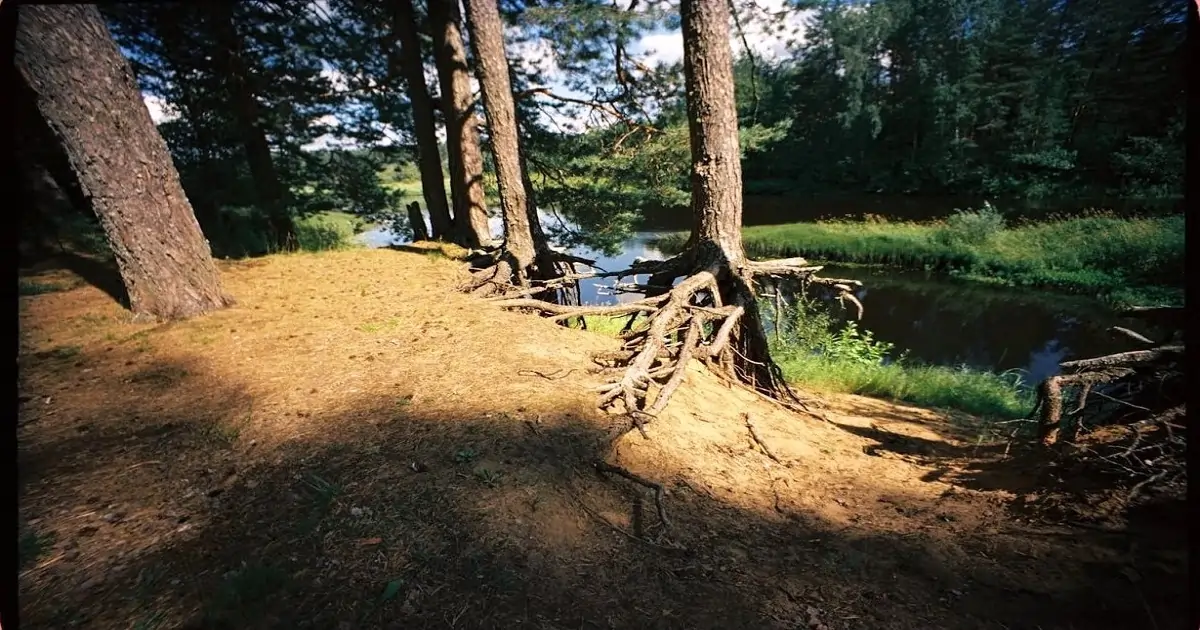
Abiotic components are the non-living factors that shape forest life. These include sunlight, soil, water, and climate. Although they are not alive, they strongly influence how organisms grow and survive.
These factors set the conditions for the entire ecosystem. For example, light controls plant growth, while soil provides nutrients. Water supports life processes, and temperature affects activity levels. Therefore, abiotic elements form the foundation of every forest environment.
Even small changes in these factors can affect the whole system. As a result, forests respond quickly to shifts in climate or water availability. Understanding these non-living elements helps explain how forests function and adapt.
Sunlight
Sunlight is the main source of energy in a forest. Plants use solar energy to produce food through photosynthesis. This process supports all life in the ecosystem.
However, sunlight does not reach all parts of the forest equally. Tall trees block much of the light, creating shaded areas below. This pattern of light availability shapes plant growth at different levels.
This variation is closely linked to forest layers structure, where each layer receives a different amount of sunlight. Therefore, sunlight distribution controls how plants and organisms are arranged.
Soil
Soil provides the base for plant growth in forests. It contains minerals, organic matter, and nutrients needed by plants. Healthy forest soil supports strong vegetation and stable ecosystems.
The composition of soil can vary from one forest to another. Some soils are rich in nutrients, while others are less fertile. This difference affects the type of plants that can grow.
Besides nutrients, soil also stores water and supports microorganisms. These factors together make forest soil a key part of ecosystem functioning.
Water
Water is essential for all living organisms in a forest. It supports plant growth, nutrient transport, and biological processes. Without enough water, plants cannot survive.
Water availability depends on rainfall, rivers, and underground sources. It also affects moisture levels in the soil. Therefore, forests with high water supply tend to have dense vegetation.
Water also plays a role in the water cycle, connecting forests with the atmosphere. This process helps regulate climate and maintain ecological balance.
Temperature and Climate
Temperature and climate influence how forests develop over time. These factors affect plant growth, animal behavior, and seasonal changes. Different forests exist because of variations in climate.
For example, regions with warm and humid conditions support dense vegetation, often described through tropical forest climate. In contrast, cooler regions show patterns linked to temperate forest climate.
Therefore, climatic factors and temperature variation shape the structure and diversity of forests. Even small shifts in environmental conditions can impact the entire ecosystem.
Interaction Between Biotic and Abiotic Components
Biotic and abiotic components are closely connected in a forest. Living organisms depend on non-living factors for survival. At the same time, they also influence their environment.
Plants rely on sunlight, soil, and water to grow. These abiotic elements provide energy and nutrients. In turn, plants support animals by offering food and shelter.
Animals depend on plants either directly or indirectly. Herbivores eat plants, while carnivores feed on other animals. This creates a chain of ecological interaction within the system.
Moreover, organisms also affect abiotic conditions. For example, plant roots improve soil structure, and trees help regulate temperature. These feedback relationships maintain balance in the ecosystem.
Therefore, interdependence between living and non-living elements is essential. This continuous interaction supports stability and allows forests to function as dynamic ecological systems.
Functions of Forest Ecosystem Components
Forest ecosystem components work together to keep the system active and balanced. Each element has a role that supports life in different ways. These ecosystem functions help forests grow, adapt, and recover from changes, reflecting broader forest ecosystem processes.
One key function is energy flow. Plants capture sunlight and convert it into food. This energy then moves through animals and microorganisms. Therefore, every level depends on the one before it.
Another important role is nutrient cycling. Decomposers break down dead matter and return nutrients to the soil. These nutrients support plant growth again. This continuous cycle keeps the forest productive.
These components also maintain environmental balance. They regulate climate, support biodiversity, and stabilize soil. This balance highlights the importance of forests in sustaining life.
However, human activities can disrupt this system. Sustainable practices and forest conservation methods help protect these ecological roles and ensure long-term stability.
Common Questions About Forest Ecosystem Components
Understanding key concepts often raises simple but important questions. Here are clear answers to common queries about forest ecosystem components.
What are the major components of an ecosystem?
The major components of an ecosystem are biotic (living) and abiotic (non-living) elements that interact to support life. Biotic components include living organisms like plants and animals. Abiotic components include non-living factors such as sunlight, water, soil, and air. Together, these ecosystem elements interact to support life.
What are biotic and abiotic components?
Biotic components are all living parts of an ecosystem. These include plants, animals, and microorganisms. Abiotic components are non-living environmental factors like temperature, light, and water. Both types of environmental components work together to maintain balance.
What are examples of abiotic components in forests?
Abiotic components in forests include soil, water, sunlight, and temperature. Soil provides nutrients, while water supports life processes. Sunlight drives photosynthesis, and temperature affects growth. These forest ecosystem factors shape how plants and animals survive.
How do biotic and abiotic components interact?
Biotic and abiotic components interact through continuous exchange. Plants use sunlight, water, and soil nutrients to grow. Animals depend on plants for food and shelter. In turn, organisms influence soil and climate conditions. This interaction creates a stable and functioning ecosystem.
Conclusion
Forest ecosystems function through a close connection between living and non-living elements. The Components of Forest Ecosystem, including biotic and abiotic factors, work together to maintain balance and support life. Each component plays a role, whether it produces energy, transfers it, or recycles nutrients.
Plants capture energy, animals pass it along, and microorganisms return nutrients to the soil. At the same time, sunlight, water, soil, and climate create the conditions needed for these processes. Therefore, every element contributes to ecosystem stability.
However, changes in one component can affect the entire system. Understanding these relationships helps explain how forests sustain life and why protecting them is important for long-term environmental balance.
This understanding also supports better decisions for conserving forest ecosystems in a changing environment