
Forest Conservation: Methods and Importance
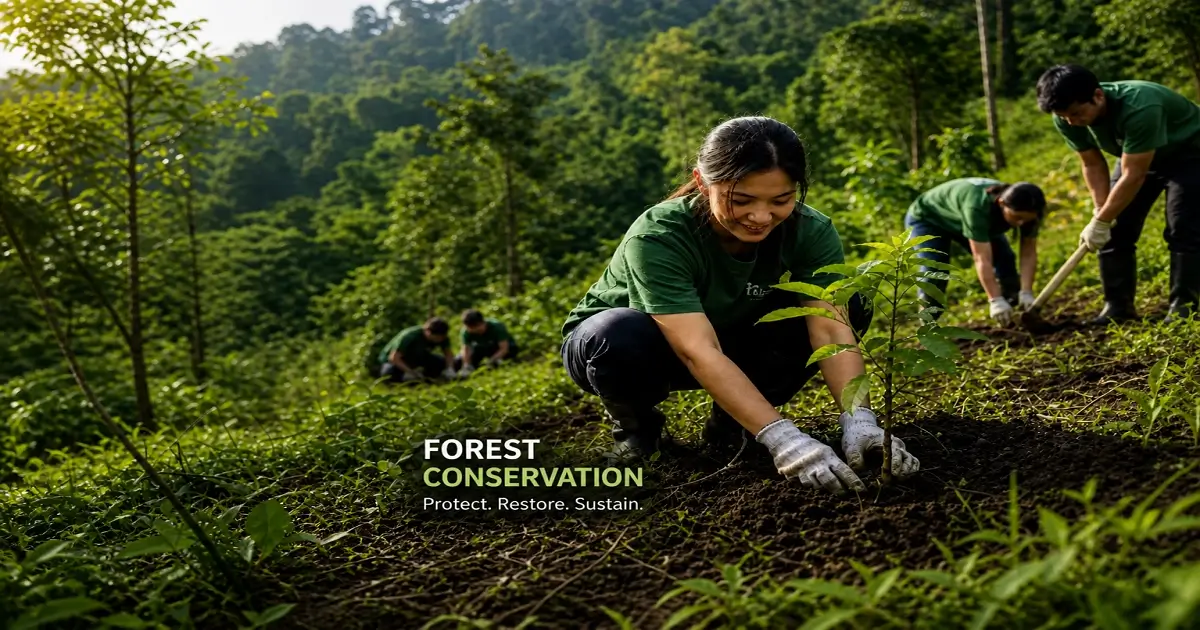
Forests cover large parts of the Earth and support life in many ways. Forest conservation focuses on protecting and managing these ecosystems so they continue to support biodiversity, climate balance, and human needs.
However, forests are shrinking due to deforestation, urban growth, and overuse of resources. This loss affects biodiversity, climate stability, and water systems. Therefore, protecting forests is essential for environmental sustainability and long-term balance.
It also involves restoring damaged land and using resources responsibly. These efforts help maintain ecological stability while meeting human needs. Understanding its importance and methods is key to ensuring forests continue to thrive.
What is Forest Conservation
Forest conservation refers to the protection, management, and restoration of forests to maintain biodiversity, ecological balance, and natural resources. It focuses on maintaining healthy ecosystems while allowing responsible use of resources. In simple terms, it means using forests wisely without causing long-term damage.
This approach includes forest protection, conservation of forest resources, and ecosystem preservation. It also involves restoring degraded areas through planting and natural recovery. Therefore, conservation is not only about saving trees but also about sustaining entire ecosystems.
However, forest conservation differs from general forest management. Management often focuses on resource use, while conservation emphasizes long-term ecological balance. It aims to protect biodiversity, soil, and water systems together.
Besides this, sustainable forest use is a key part of conservation. It ensures forests meet present needs without harming future generations. This balance makes conservation essential for both nature and people.
Importance of Forest Conservation
Forests play a vital role in maintaining life on Earth. They support climate systems, protect biodiversity, and provide essential resources. Therefore, forest conservation is necessary for environmental stability and human well-being.
Role in Climate Regulation
Forests act as natural carbon sinks. They absorb carbon dioxide and help reduce global warming. This process, known as carbon sequestration, keeps the climate balanced. Forest research also highlights this role in regulating Earth’s climate.
Moreover, forests regulate temperature and rainfall patterns. They influence both local and global climate systems. This connection is closely linked to how forests support climate. Thus, conserving forests helps maintain climate stability and reduces extreme weather risks.
Biodiversity Protection
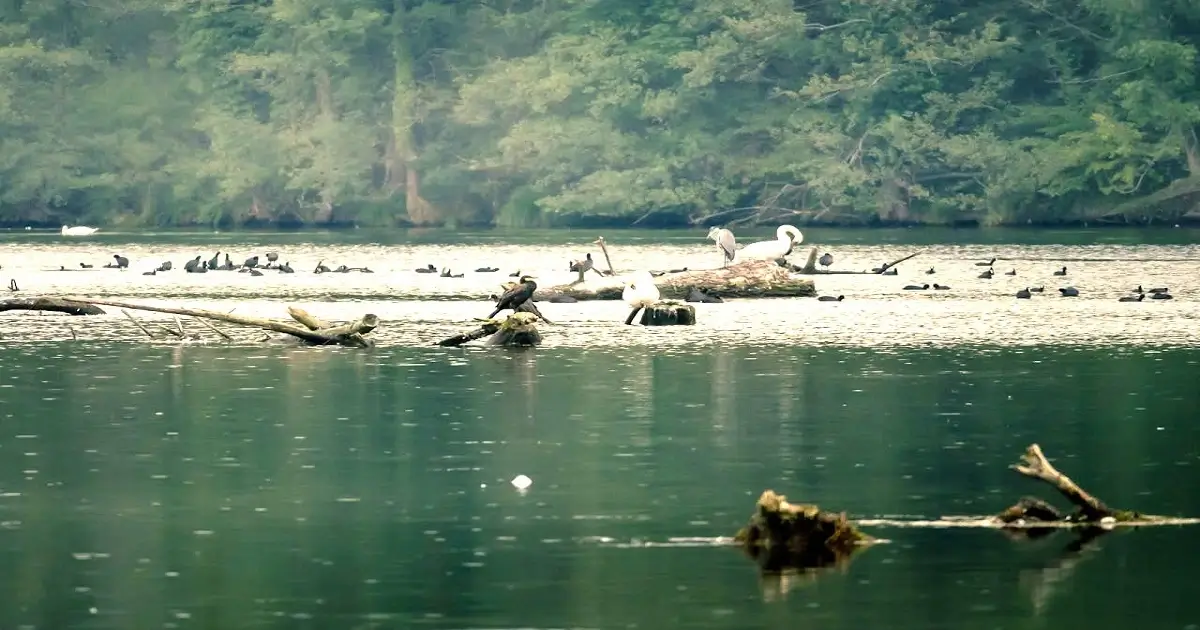
Forests provide habitat for a wide range of species. They support plants, animals, and microorganisms in complex ecosystems. Therefore, forest conservation helps prevent species extinction.
Healthy forests ensure wildlife conservation and maintain ecological diversity. These processes depend on biotic and abiotic components in forest ecosystems. Therefore, protecting forests directly supports life in many forms.
Soil and Water Conservation
Forest roots hold soil together and prevent erosion. They protect land from degradation, especially during heavy rainfall. Therefore, forests play a key role in maintaining soil fertility.
Additionally, forests support watershed protection by regulating water flow. They help recharge groundwater and maintain clean water sources. This balance is essential for agriculture and ecosystems. Thus, conserving forests ensures stable soil and water systems.
Human and Economic Benefits
Forests provide valuable resources such as timber, food, and medicinal plants. They also support sustainable livelihoods for many communities. Therefore, forest conservation benefits both nature and people.
Moreover, forests offer ecosystem services like clean air and climate regulation. They also support tourism and local economies. Responsible use ensures long-term availability of these resources.
Thus, conserving forests helps maintain economic stability while protecting natural systems.
Methods of Forest Conservation
Forest conservation uses practical methods to protect and restore forest ecosystems. These methods focus on maintaining balance while allowing responsible use. Therefore, they support both environmental sustainability and human needs.
These methods work together to reduce forest loss and improve ecosystem health. Some methods restore degraded land, while others control resource use. Together, they form a strong strategy for long-term forest protection.
Afforestation and Reforestation
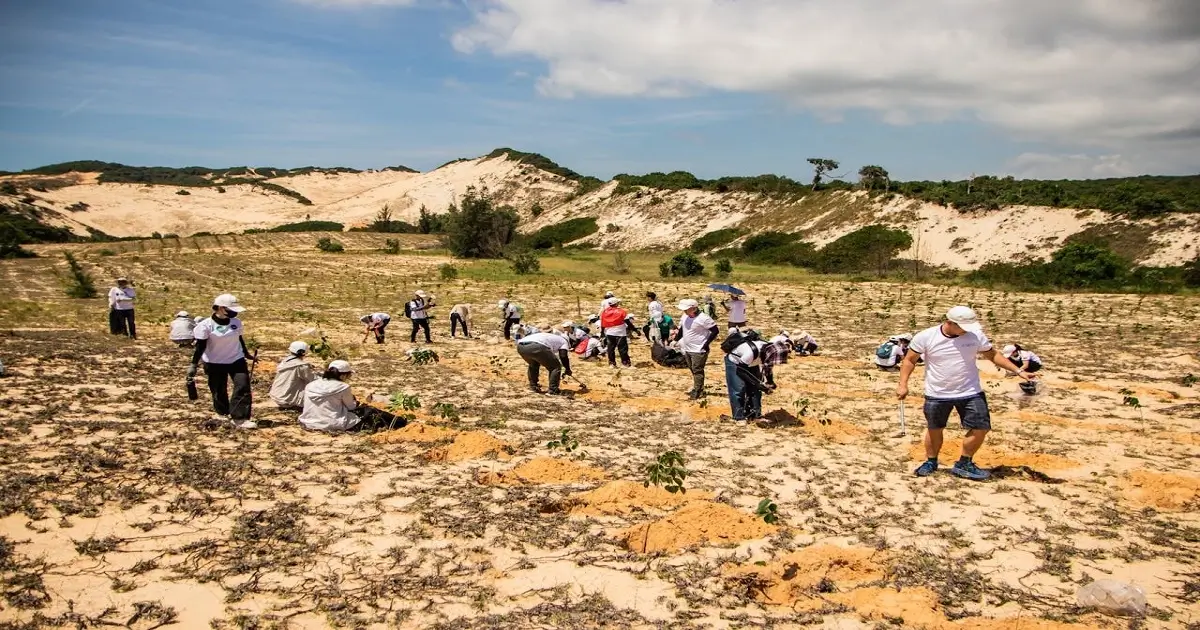
Afforestation involves planting trees in areas where forests did not exist before. Reforestation restores trees in areas where forests were cleared. Both methods help increase tree cover and improve environmental conditions.
These practices support degraded land recovery and rebuild natural habitats. They also improve air quality and support biodiversity. Moreover, replanting forests helps stabilize soil and regulate water cycles.
Over time, these efforts contribute to ecosystem restoration. They also help reduce climate impacts by increasing carbon storage. Therefore, afforestation and reforestation remain essential methods of forest conservation.
Sustainable Forest Management
Sustainable forest management focuses on using forest resources without causing long-term damage. It ensures forests remain productive while maintaining ecological balance. This method supports responsible forestry and long-term use.
Controlled harvesting allows trees to regrow naturally. It also prevents overexploitation of forest resources. Furthermore, proper planning helps maintain biodiversity and ecosystem health.
This approach balances economic needs with environmental protection. It also promotes sustainable harvesting and efficient resource management. Therefore, it plays a key role in conserving forests for future generations.
Legal Protection and Policies
Governments use forest laws and conservation policies to protect forest areas. These laws control activities like logging and land conversion. They also help prevent illegal exploitation of forest resources.
Protected reserves, national parks, and wildlife sanctuaries are established under these policies. Such areas restrict harmful human activities and support ecosystem preservation. Moreover, strict enforcement improves conservation outcomes.
Effective policies ensure forests are managed responsibly. They also support long-term environmental protection. Therefore, legal protection is an important method of forest conservation.
Community Participation and Awareness
Local communities play a vital role in protecting forests. Their involvement ensures better monitoring and sustainable use of resources. Community forestry helps people manage forests responsibly.
Awareness programs educate people about the importance of conservation. They encourage eco-friendly practices and reduce harmful activities. Furthermore, participation builds a sense of responsibility toward nature.
When communities take part in conservation programs, results improve significantly. It also strengthens long-term protection efforts. Therefore, public awareness and local involvement are key to successful forest conservation.
Reducing Deforestation
Reducing deforestation focuses on addressing the main causes of forest loss. These include agriculture expansion, urban growth, and industrial activities. Controlling these factors helps protect forest areas.
Sustainable land-use planning plays an important role in forest loss prevention. It ensures land is used efficiently without harming ecosystems. Moreover, promoting alternatives reduces pressure on forests.
Understanding the causes and impacts of deforestation helps identify effective solutions to reduce forest loss. It also supports better decision-making and planning.
Therefore, reducing deforestation is essential for maintaining forest cover and ecosystem stability.
10 Key Ways to Conserve Forests
Forest conservation also depends on simple actions that people can follow in daily life. These steps support eco-friendly habits and help protect natural resources.
- Plant trees in suitable areas to increase forest cover and restore degraded land.
- Reduce paper use by choosing digital options and recycling materials whenever possible.
- Use sustainable products that come from responsibly managed forest resources.
- Support conservation policies that protect forests and limit harmful activities.
- Prevent forest fires by avoiding unsafe practices in forest areas.
- Promote awareness about forest conservation in schools and communities.
- Protect wildlife habitats to maintain ecosystem balance and biodiversity.
- Encourage responsible tourism that does not harm forest environments.
- Follow environmental protection steps that reduce pollution and waste.
- Protect forest ecosystems by avoiding activities that disturb wildlife and natural habitats.
These forest conservation practices help reduce environmental damage. They also support long-term sustainability. Therefore, small actions can create a significant positive impact on forests.
Challenges in Forest Conservation
Forest conservation faces several challenges despite growing awareness and policies. These challenges often come from human actions, weak governance, and changing climate conditions. Therefore, protecting forests requires addressing these issues together.
Human pressure on land continues to increase as populations grow. At the same time, environmental changes make forests more vulnerable. These pressures also include practical barriers such as funding gaps, policy limits, and climate risks that can slow conservation progress. Understanding these challenges helps improve conservation efforts and long-term planning.
Human Activities
Human activities remain one of the biggest threats to forests. Large areas are cleared for agriculture, settlements, and infrastructure. This land conversion reduces forest cover and disrupts natural ecosystems.
Industrial expansion also increases pressure on forest resources. Mining, roads, and urban growth lead to habitat loss and fragmentation. Moreover, these changes affect wildlife movement and ecological balance.
Therefore, controlling land use and promoting sustainable practices are necessary to reduce human impact on forests.
Illegal Logging and Weak Enforcement
Illegal logging continues to damage forests in many regions. Trees are cut without permission, often for profit. This leads to illegal deforestation and loss of valuable resources.
Weak law enforcement makes the problem worse. In some areas, conservation policies exist but are not properly enforced. These law enforcement gaps allow harmful activities to continue.
Therefore, stronger monitoring and stricter implementation of laws are essential for effective forest protection.
Climate Change Impacts
Climate change adds new pressure on forest ecosystems. Rising temperatures and changing rainfall patterns increase climate stress. This leads to forest degradation and reduced resilience.
In tropical regions, changing climate conditions affect rainfall and biodiversity, as seen in tropical forest climate patterns. These changes can weaken ecosystem stability.
In colder regions, warming temperatures impact boreal forest conditions and adaptation. This can increase forest fires and pest outbreaks.
Therefore, climate change makes forest conservation more complex and urgent.
Relationship Between Forest Conservation and Ecosystem Stability
Forest conservation plays a key role in maintaining ecosystem stability. Healthy forests support ecological balance by sustaining biodiversity, soil systems, and water cycles. Therefore, conservation helps keep natural processes functioning properly.
When forests are protected, their structure and function remain intact. This supports food chains, nutrient cycles, and habitat systems. These processes together maintain forest system health over time.
This connection is closely related to forest ecosystem structure and functioning. It explains how different parts of the forest work together as a system.
Forest layers also play an important role in maintaining balance. The canopy, understory, and forest floor support different life forms. These interactions reflect forest layers and their ecological roles.
Thus, forest conservation is essential for sustaining ecosystem stability and preventing ecological disruption.
Conclusion
Forest conservation is essential for protecting nature and supporting human life. Forests regulate climate, protect biodiversity, and maintain soil and water systems. Therefore, conserving forests helps keep ecosystems stable and productive.
Different methods, such as reforestation, sustainable management, and legal protection, work together to reduce forest loss. Moreover, community involvement and awareness strengthen these efforts. Each approach plays a role in maintaining long-term environmental balance.
However, ongoing challenges like deforestation and climate change make conservation more urgent. Small actions and responsible choices can make a real difference. Therefore, protecting forests today ensures a healthier and more sustainable future for generations to come.