
Tropical Forest: Climate, Characteristics, Types, Flora and Fauna
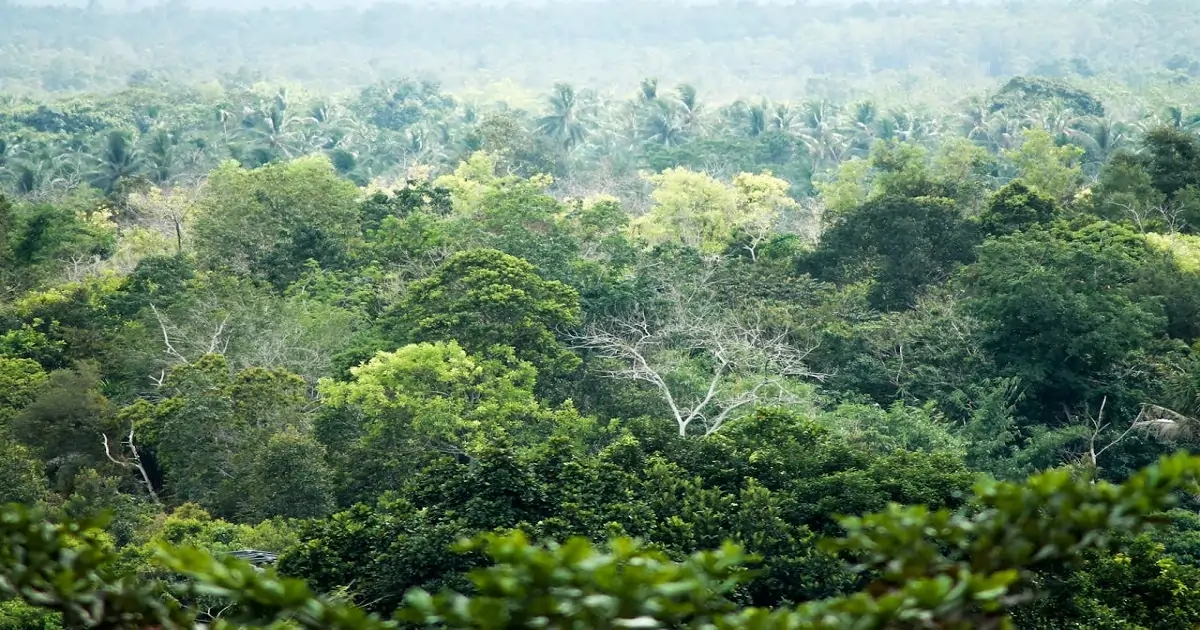
Tropical forest refers to dense forest regions found near the equator, where temperatures stay warm throughout the year and rainfall is high. These tropical ecosystems develop in areas with consistent sunlight, creating ideal conditions for plant growth and rich biodiversity.
Equatorial forests are mainly located between the Tropic of Cancer and the Tropic of Capricorn. Regions in South America, Africa, and Southeast Asia contain the largest continuous forest cover. These areas receive heavy rainfall and experience little seasonal change.
Because of this stable climate, tropical rainforests support biodiversity-rich habitats with countless plant and animal species. They also include different types, such as tropical rainforests and tropical deciduous forests.
Each type varies in rainfall patterns, vegetation density, and ecological characteristics, yet all remain vital to the global environment.
What Is a Tropical Forest?
A tropical rainforests are dense forests found in warm regions near the equator. It grows where sunlight, heat, and moisture remain high throughout the year. These forests form part of the equatorial forest biome and support rich plant and animal life.
They are mainly located between the Tropic of Cancer and the Tropic of Capricorn. Countries in South America, Africa, and Asia contain the largest humid forest regions. These areas receive steady rainfall, which supports continuous plant growth.
Unlike temperate forests, tropical woodland ecosystems do not face long cold seasons. Most trees remain green all year. As a result, these forests appear thick and vibrant. For a broader understanding, these forests are an important part of forest ecosystem structure and functions, which explains how different forest types interact with nature.
Climate of Tropical Forests
Tropical forests experience stable and warm tropical climate conditions throughout the year. Temperatures usually range between 20°C and 30°C. There is very little seasonal variation, which helps plants grow continuously.
Rainfall patterns are one of the most defining features. Most tropical rainforests receive more than 200 cm of rainfall annually. In some regions, rainfall is evenly spread across the year. However, certain areas may have short dry periods.
Humidity levels remain high due to constant evaporation and dense vegetation. This creates a warm humid environment that supports rapid plant growth. Besides, moisture in the air helps maintain soil fertility and nutrient cycling.
Because of these conditions, these ecosystems remain green and active all year. The combination of heat, rainfall, and humidity supports a wide range of species. thus, these forests become some of the most productive ecosystems on Earth.
Key Characteristics of Tropical Forests
Tropical forests show several distinct features that make them unique. One of the most noticeable traits is dense vegetation. Trees grow closely together, forming a thick cover that blocks much sunlight from reaching the ground.
Another important feature is their evergreen nature. Most trees do not shed leaves at the same time. Instead, they remain green throughout the year. This is one of the key evergreen forest traits that keeps the forest active in all seasons.
These forest regions also have very high species diversity. Thousands of plant and animal species live within a small area. Many of these species are found nowhere else on Earth. Hence, these forests are considered biodiversity hotspots, often described as key features of tropical rainforests.
Vegetation in tropical forests forms a multi-layered structure. These layers include the canopy, understory, and forest floor. Each layer receives a different amount of light and supports different species. This layered arrangement is part of forest layers and explains how life is distributed within the forest.
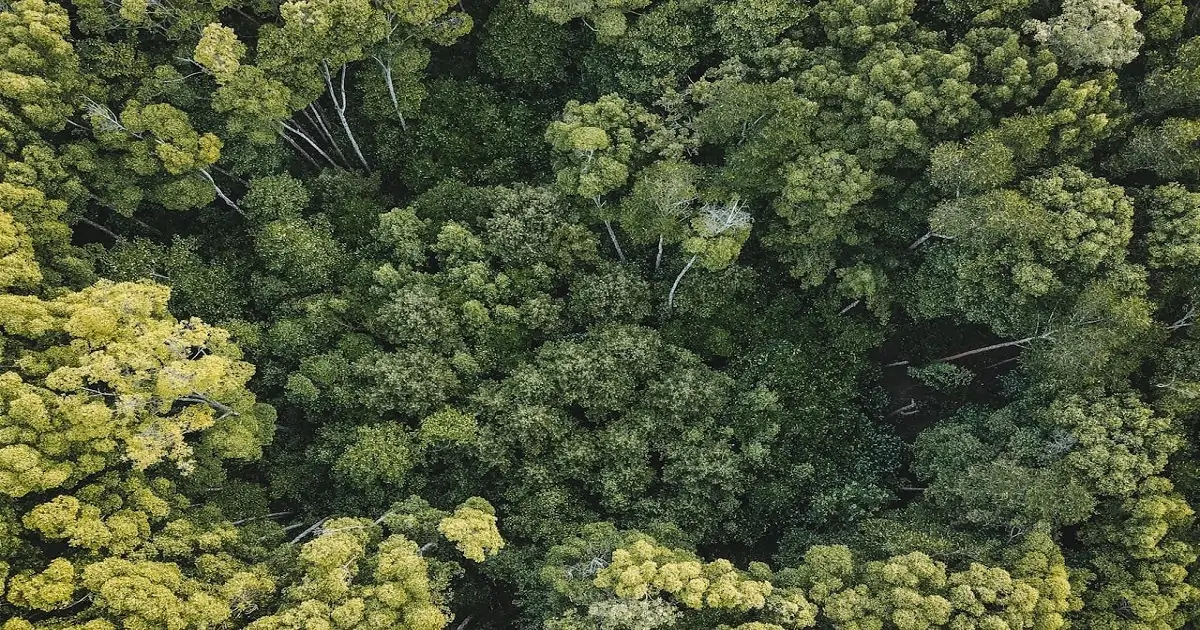
Together, dense canopy cover, evergreen growth, and rich biodiversity define tropical forests as one of the most complex ecosystems.
Types of Tropical Forests
These forests are not all the same. They differ in rainfall, altitude, and seasonal changes. Therefore, scientists group them into clear tropical forest categories based on climate and vegetation.
This forest classification helps explain how each type supports different plant and animal life. While all belong to tropical regions, their structure and species vary. These vegetation types also show how forests adapt to local conditions.
These categories help explain how tropical forests differ across regions. It also answers common questions about how many types exist and what each tropical rainforest is called.
Tropical Rainforests
Tropical rainforests grow in regions with heavy rainfall throughout the year. These forests receive more than 200 cm of rain annually. As a result, vegetation remains dense and green at all times.
Trees grow very tall and form a thick canopy. This limits sunlight from reaching the forest floor. As a result, only shade-tolerant plants survive below.
These forests have the highest biodiversity on Earth. Many species are still undiscovered. Regions like the Amazon and Congo Basin are well-known examples of tropical rainforests.
Tropical Deciduous Forests
Tropical deciduous forests develop in areas with seasonal rainfall. These forests receive moderate rain, usually between 100 and 200 cm per year. However, they experience a clear dry season.
During dry months, many trees shed their leaves to conserve water. This gives the forest a less dense appearance for a short time. When rains return, the forest quickly becomes green again.
These forests support a wide range of wildlife. They are also more accessible for human use compared to dense rainforests.
Tropical Dry Forests
Tropical dry forests occur in regions with low rainfall and long dry periods. Rainfall is often less than 100 cm annually. Thus, vegetation is less dense compared to other tropical forests.
Trees in these forests are usually short and widely spaced. Many species have thick bark or small leaves to reduce water loss. These adaptations help them survive harsh conditions.
Tropical Montane Forests
Tropical montane forests grow in mountainous regions within tropical zones. These forests exist at higher elevations where temperatures are cooler. Rainfall remains high, but cloud cover is common.
Vegetation is shorter and more compact compared to lowland forests. Mosses, ferns, and shrubs grow well in these moist conditions. These forests are often called cloud forests due to frequent mist.
Flora of Tropical Forests
The flora of tropical forests shows rich plant diversity and complex growth patterns. Tall trees such as teak, mahogany, and ebony dominate the upper layers. These trees compete for sunlight and grow very high.
Below them, smaller plants like shrubs and young trees develop in limited light. Climbers and vines use tall trees for support to reach sunlight. Besides, epiphytes grow on tree surfaces without harming them.
These forests contain thousands of forest plant species within a small area. Each plant plays a role in maintaining ecological balance. This diversity forms part of biotic factors, which include all living components of a forest.
Overall, tropical vegetation remains dense and active due to constant warmth and moisture. This supports continuous plant growth throughout the year.
Fauna of Tropical Forests
Tropical forests support a wide range of forest wildlife with high animal diversity. Mammals such as monkeys, elephants, and big cats are commonly found. These animals depend on dense vegetation for food and shelter.
Birds are also very diverse in these forests. Colorful species live in different forest layers. Reptiles and amphibians thrive in warm and moist conditions. Insects form the largest group, playing key roles in pollination and decomposition.
Each species depends on others for survival. This interaction forms part of the food chain in forests, where energy flows from plants to animals.
Because of these connections, tropical species maintain ecological balance. Therefore, protecting these forests helps preserve global biodiversity.
Tropical Forests in India
India has rich and diverse tropical forests spread across different regions. These Indian tropical forests grow in areas with high rainfall and warm temperatures. Therefore, they support dense vegetation and varied wildlife.
The Western Ghats are one of the most important forest regions. This mountain range receives heavy rainfall and supports evergreen forests. Many rare species live here, making it a biodiversity hotspot.
Northeast India also has extensive tropical forests. States like Assam and Arunachal Pradesh receive high rainfall. As a result, forests remain dense and full of life throughout the year.
The Andaman and Nicobar Islands contain unique tropical forests as well. These islands have thick vegetation and coastal influence. Besides, many plant and animal species here are not found elsewhere.
Overall, forest distribution in India shows how climate and geography shape regional vegetation.
Tropical Forest vs Rainforest
Many people confuse tropical forests with rainforests. However, all rainforests are tropical forests, but not all tropical forests are rainforests. The difference mainly lies in rainfall and vegetation density.
Rainforests receive very high rainfall and remain dense all year. In contrast, some tropical forests experience dry seasons and show seasonal changes.
The table below highlights key ecosystem differences.
| Aspect | Tropical Forest | Tropical Rainforest |
| Climate | Warm with varying rainfall | Warm with heavy rainfall year-round |
| Vegetation | Can be dense or seasonal | Always dense and evergreen |
| Types | Include dry, deciduous, montane | One specific type |
| Biodiversity | High | Very high |
This forest comparison helps clarify the common confusion between the two terms.
Tropical Forest vs Subtropical Forest
Tropical and subtropical forests differ mainly in climate zone differences. Tropical forests grow near the equator, where temperatures stay high throughout the year. In contrast, subtropical vegetation develops in regions slightly away from the equator.
Subtropical forests experience moderate temperatures and some seasonal variation. Therefore, they are less stable compared to tropical forests. Rainfall may also be less consistent.
Location also plays a key role. Tropical forests lie between the Tropics, while subtropical forests extend beyond them. These differences affect plant growth and species diversity.
Seasonal variation becomes more noticeable as we move further from the equator. This gradual shift is also seen in temperate forest features, where seasons strongly influence vegetation patterns.
Examples of Tropical Forests Around the World
Tropical forests are found across several major regions of the world. These forests form part of global forest distribution and support diverse ecosystems.
The Amazon rainforest in South America is the largest tropical forest. It contains unmatched biodiversity and vast river systems. Similarly, the Congo Basin in Africa is another major forest region with rich wildlife.
Southeast Asia also has extensive tropical forests. Countries like Indonesia and Malaysia contain dense and diverse forest areas. These regions support many unique species.
Together, these tropical forest examples highlight the importance of major forest regions in maintaining ecological balance worldwide.
Importance of Tropical Forests
Tropical forests play a major ecological role in maintaining life on Earth. They support immense biodiversity, with countless plant and animal species. Many of these species depend fully on forest habitats for survival.
These forests also help regulate the global climate. Trees absorb carbon dioxide and release oxygen. Therefore, they act as a natural carbon sink and reduce greenhouse gases. This role of tropical rainforests in climate regulation highlights their global environmental value.
Besides, tropical forests influence rainfall patterns and temperature. They release moisture into the atmosphere through transpiration. This helps maintain a stable and balanced environment.
Tropical forests also provide resources for humans. They offer food, medicine, and raw materials. Many communities depend on forests for their livelihoods.
Their environmental role connects closely with importance of forests, where the benefits to ecosystems and humans become clearer.
Protecting tropical forests is essential for maintaining ecological balance. Without them, both biodiversity and climate stability would face serious risks.
Threats to Tropical Forests
Tropical forests face several serious environmental threats today. One of the biggest issues is deforestation. Large areas of forest are cleared for agriculture, mining, and urban expansion.
This leads to forest degradation and loss of natural habitats. Many species lose their homes and struggle to survive. Therefore, biodiversity declines rapidly in affected areas, showing how the importance of tropical rainforests is often overlooked in land-use decisions.
Climate change also adds pressure on these forests. Rising temperatures and changing rainfall patterns disturb natural cycles. This affects plant growth and animal survival.
Habitat destruction further increases the risk of species extinction. When forests shrink, ecosystems become unstable. As a result, ecological balance gets disturbed.
These issues are closely linked to deforestation causes, which explains why forests are disappearing. Addressing these problems also requires forest conservation methods to protect and restore forest areas.
Taking action against these threats is necessary to ensure the survival of tropical forests and their biodiversity.
Conclusion
Tropical forests are among the most important ecosystems on Earth. They grow in warm regions with high rainfall and stable climate conditions. This environment supports continuous plant growth and dense vegetation throughout the year.
These forests are home to an incredible range of species. Their biodiversity is unmatched, with plants and animals adapted to every layer of the forest. Therefore, they play a key role in maintaining ecological balance.
Tropical forests also regulate climate and store large amounts of carbon. They help control temperature, rainfall, and atmospheric gases. Besides, they provide resources that support human life and livelihoods.
However, increasing threats put these forests at risk. Protecting them is essential for future sustainability. Conservation efforts can help preserve biodiversity and maintain the natural systems that support life on Earth.