
Deforestation: Causes, Effects, and Prevention Explained
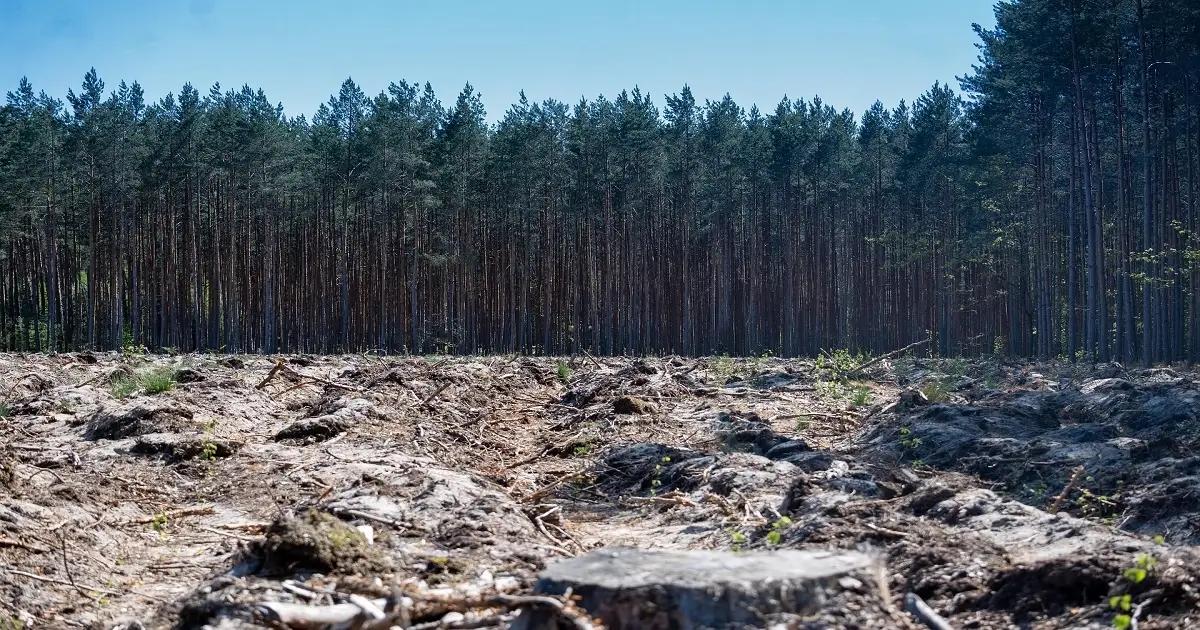
Deforestation means the large-scale removal of trees from land, often to use that land for other purposes. It is one of the most serious environmental issues today. Across the world, forest loss and tree cover decline are increasing due to human activities.
Forests support life by regulating climate, protecting soil, and sustaining biodiversity. However, rapid land clearing for farming, cities, and industries is causing widespread ecosystem degradation. As a result, natural balance is being disturbed in many regions.
This article explains the causes and effects of deforestation, along with practical ways to prevent it. Understanding these aspects is important because forests are closely linked to both nature and human survival.
What is Deforestation
Deforestation is the large-scale clearing of forests where trees are permanently removed from the land. It usually happens when forests are converted into farmland, cities, or industrial areas. This leads to a rapid removal of tree cover and long-term environmental change, often described as deforestation.
In simple terms, deforestation involves the clearing of forests through land-use conversion. It transforms natural forest areas into non-forest land. This change is often permanent and affects how ecosystems function.
It is important to understand the difference between deforestation and forest degradation. Deforestation results in complete and lasting forest loss. In contrast, forest degradation reduces forest quality without fully removing trees.
Deforestation often occurs on a large scale. Therefore, it creates serious environmental problems. Besides, it disrupts biodiversity, soil stability, and climate balance.
Causes of Deforestation
Deforestation is driven by several human activities and natural factors. These activities disrupt the balance of forest environments. They also affect the forest ecosystem by altering natural processes and interactions.
Agricultural Expansion
Agricultural expansion is one of the main causes of deforestation. Large forest areas are cleared to grow crops or raise livestock. Commercial farming increases land demand to meet global food needs.
At the same time, subsistence farming supports local communities. Farmers clear small areas for daily survival. However, repeated land-use change leads to long-term forest loss.
This process affects soil, water, and biodiversity. It directly impacts key forest ecosystem components such as plants, animals, and environmental conditions. Consequently, ecosystems become less stable.
Logging and Timber Extraction
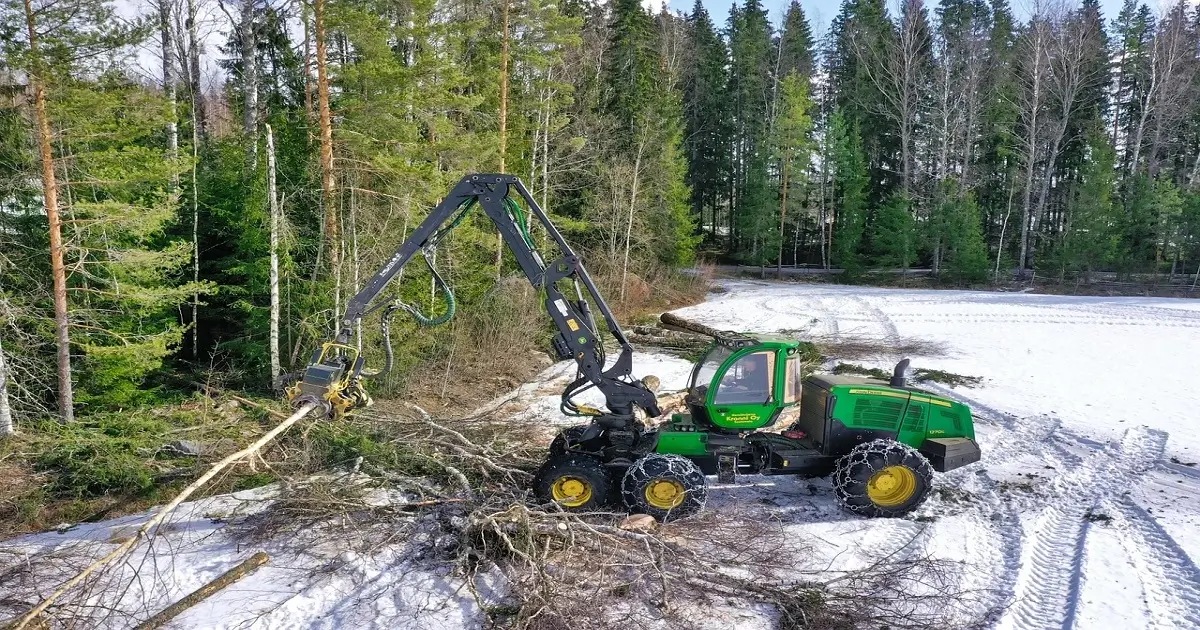
Logging removes trees for wood, paper, and fuel. Industrial logging focuses on valuable tree species and often leads to large-scale forest clearing. This reduces forest density and changes habitat conditions.
Fuelwood collection is also common in many regions. Although it appears small, it contributes to gradual forest loss. Illegal logging further increases damage, especially in protected areas.
These activities disturb wildlife and reduce biodiversity. Therefore, forests lose their natural structure over time.
Urbanization and Infrastructure Development
Urban growth increases the demand for land and resources. Forests are cleared to build cities, roads, and housing areas. This expansion replaces natural landscapes with human settlements.
Infrastructure projects such as highways and dams require large land areas. These developments divide forests into smaller sections, a process known as fragmentation.
Fragmentation disrupts wildlife movement and weakens ecosystems. Besides, it reduces the resilience of forests and increases vulnerability.
Mining and Industrial Activities
Mining requires clearing forests to extract resources like coal and minerals. This leads to land degradation and pollution. It also destroys habitats and reduces biodiversity.
Industrial activities contribute further through waste and chemical pollution. These pollutants damage soil and water systems. As a result, ecosystems struggle to recover.
Such impacts often last for years. Therefore, forest regeneration becomes difficult in affected areas.
Natural Factors
Natural factors also contribute to deforestation, although less frequently than human causes. Forest fires can destroy large areas of vegetation in a short time. Pests and diseases weaken trees and make forests vulnerable.
Climate-related stress, such as drought, also affects forest health. However, these factors often combine with human activities, increasing overall damage.
Effects of Deforestation on the Environment
Deforestation triggers a chain reaction in natural systems. When trees are removed, ecosystems lose balance and stability. These changes lead to serious environmental impacts such as soil erosion, biodiversity loss, and climate change, central to deforestation impacts. As a result, forests can no longer support life in the same way, causing long-term ecological consequences.
Loss of Biodiversity
Forests are home to a wide variety of plants and animals. When trees are cleared, many species lose their habitat. This leads to habitat destruction and a decline in biodiversity.
Some species cannot adapt to new conditions. Therefore, they may migrate or face extinction. Besides, the loss of even small species can disturb the entire ecosystem.
Changes in forest layers also affect biodiversity. Different species depend on different layers for survival. This is why understanding forest layers is important. When these layers are disturbed, ecosystems become unstable.
Climate Change and Carbon Emissions
Forests play a key role in controlling climate. Trees absorb carbon dioxide and store carbon. However, when forests are cleared, this stored carbon is released into the atmosphere.
This increases greenhouse gases and contributes to global warming. Consequently, climate patterns begin to change. Temperatures rise, and weather becomes more unpredictable.
Deforestation also reduces the number of trees that can absorb carbon. Therefore, the natural balance of the atmosphere is disturbed. Over time, this leads to stronger ecological consequences.
Soil Erosion and Land Degradation
Tree roots hold soil together and prevent erosion. When forests are cleared, soil becomes loose and easily washed away. This leads to soil erosion, especially during heavy rainfall.
As topsoil is lost, land becomes less fertile. Therefore, agricultural productivity declines over time. Besides, degraded land struggles to support vegetation.
Land degradation also affects nearby water bodies. Soil particles enter rivers and lakes, reducing water quality. As a result, both land and water ecosystems suffer.
Disruption of Water Cycle
Forests play an important role in maintaining the water cycle. Trees absorb water and release it into the atmosphere through transpiration. This process helps regulate rainfall.
When deforestation occurs, this cycle is disturbed. Rainfall patterns change, and some areas may face drought. In other regions, flooding may increase.
Reduced tree cover also affects groundwater levels. Therefore, water availability becomes uncertain. This creates challenges for both ecosystems and human communities.
Impact on Forest Structure and Food Chains
Deforestation changes the natural structure of forests. When trees are removed, the balance between different layers is disturbed. This affects how energy flows through the ecosystem.
Animals depend on plants and other organisms for food. When habitats are destroyed, food sources become limited. This disrupts the forest food chain.
As a result, species populations decline or shift. Besides, ecosystem imbalance increases over time. This makes forests less resilient to future changes.
Why Deforestation Should Be Stopped
Deforestation should be stopped because forests are essential for life on Earth. They support biodiversity, regulate climate, and protect natural resources. Without forests, ecosystems cannot function properly.
Forests provide oxygen and help control carbon levels. Therefore, they play a key role in maintaining environmental sustainability. They also protect soil and reduce the risk of natural disasters, These impacts are among the key reasons to stop deforestation.
Humans depend on forests for food, medicine, and livelihoods. Many communities rely on forest resources for daily survival. This shows the strong human–nature dependence.
Understanding the importance of forests helps explain why conservation is necessary. Without action, long-term environmental damage will increase.
Therefore, stopping deforestation is not just an ecological necessity. It is also important for human survival and future sustainability.
Prevention of Deforestation
Preventing deforestation requires a combination of strategies and responsible actions. These deforestation control measures focus on protecting forests while meeting human needs. Therefore, sustainable solutions are essential for long-term balance.
Sustainable Forest Management
Sustainable forest management involves using forest resources without causing long-term damage. It ensures that forests can regenerate and continue to provide benefits.
This approach includes controlled logging and proper planning. It also protects biodiversity and maintains ecosystem health. This approach supports broader solutions to deforestation by promoting responsible forest use.
Learning about forest conservation methods can help support these practices. Thus, sustainable management reduces forest loss while allowing resource use.
Reforestation and Afforestation
Reforestation involves planting trees in areas where forests have been cleared. Afforestation means creating forests in areas that previously had no trees.
Both methods help restore ecosystems and improve biodiversity. They also increase carbon absorption and support climate balance.
Besides, these efforts improve soil quality and water retention. Over time, they help rebuild natural environments.
Legal Protection and Policies
Governments play a key role in forest protection. Laws and regulations can limit deforestation and control land use.
Protected areas, national parks, and wildlife reserves help conserve forests. Strict policies also reduce illegal logging and land clearing.
Therefore, strong legal frameworks are essential for conservation. They ensure that forest protection strategies are followed effectively.
Community Awareness and Participation
Local communities play an important role in protecting forests. Awareness programs help people understand the value of forests and the risks of deforestation.
When communities are involved, conservation efforts become more effective. People are more likely to adopt sustainable practices.
Besides, community participation supports long-term environmental sustainability. It creates a sense of responsibility toward nature.
Responsible Consumption and Industry Practices
Consumer choices and industrial practices also affect forests. Using sustainable products reduces the demand for deforestation.
Industries can adopt eco-friendly methods and reduce waste. Responsible sourcing of materials helps protect forest areas.
Therefore, both individuals and businesses must act carefully. Small changes can lead to significant improvements in forest conservation.
Examples of Deforestation
Deforestation occurs across many regions, but some areas show clear and repeated patterns. These real-world cases help us understand how human activities drive forest loss. They also highlight major deforestation hotspots around the world.
Amazon Rainforest
The Amazon rainforest is one of the largest global forest loss examples. Large areas are cleared for cattle ranching and farming. This land-use change has reduced tree cover over time.
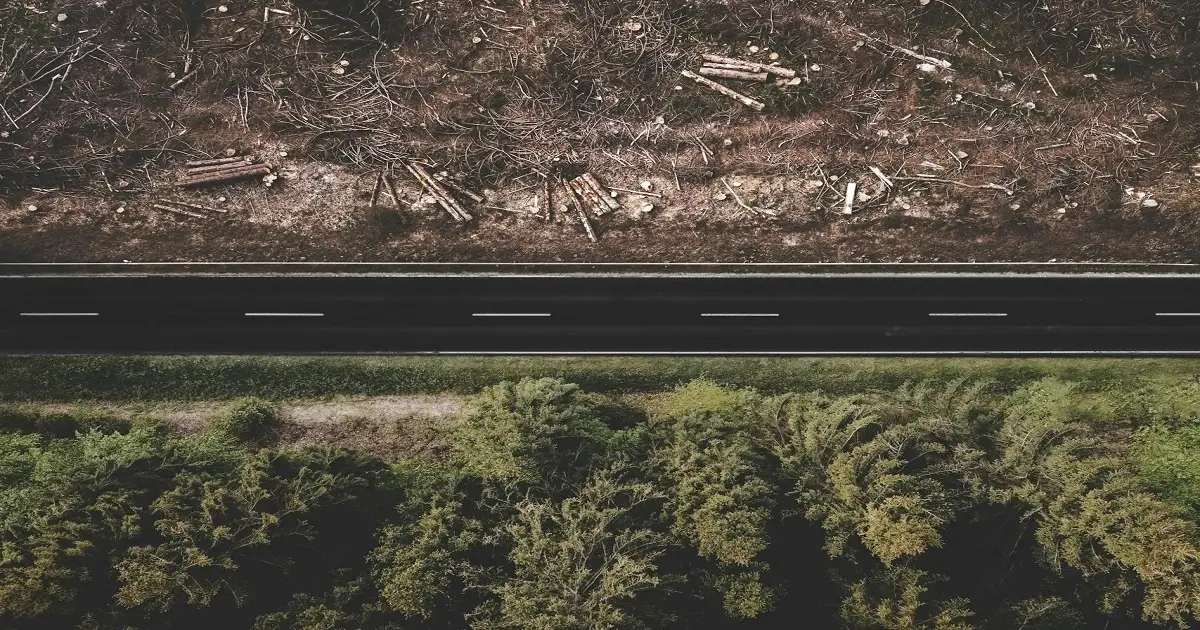
Road construction also opens remote areas for further clearing. As a result, biodiversity declines and ecosystems weaken. The Amazon shows how rapid development can impact forests at a large scale.
Southeast Asia
Southeast Asia faces heavy deforestation due to palm oil plantations. Forests are cleared to grow crops for global markets. This has led to widespread habitat destruction.
Countries like Indonesia and Malaysia are major contributors. Besides, illegal logging also adds to forest loss. These patterns show how economic demand can drive deforestation.
Africa
In many parts of Africa, forests are cleared for agriculture and fuelwood. Growing populations increase the demand for land and resources. This leads to continuous forest clearing.
Shifting cultivation is also common in some regions. Therefore, forest areas shrink gradually over time. These global forest loss examples reflect similar pressures across different regions.
Deforestation in India
Deforestation in India is shaped by rising development needs and population pressure. Forest loss in India continues due to agriculture, urban expansion, and infrastructure growth. These activities drive large-scale land-use change in India, especially in ecologically sensitive regions.
India still retains about 24–25 percent of its land under forest and tree cover, based on recent government assessments. However, dense natural forests are declining in some areas, even as plantation cover increases. This shows a shift in forest quality, not just quantity.
Agricultural expansion remains a key driver. Farmers clear forests to grow crops and sustain livelihoods. At the same time, roads, mining, and industrial projects increase pressure on forest land. For example, several thousand hectares of forest land are diverted each year for development purposes.
These changes affect biodiversity and climate. India is home to nearly 8 percent of global biodiversity, so habitat loss has serious consequences. Soil erosion, irregular rainfall, and local climate changes also follow.
However, India has taken steps to address these challenges. Programs like afforestation and protected areas aim to restore balance. These efforts help reduce Indian forest challenges, although pressure on forests still continues.
Types of Forests Affected by Deforestation
Deforestation affects different forest biomes across the world. Each forest type responds differently based on its climate and structure. Understanding these global forest types helps explain the scale of impact.
Tropical Forests
Tropical forests face the highest rates of deforestation. These forests are cleared for agriculture and plantations to meet growing demand for food and resources. This makes tropical forests highly vulnerable to large-scale forest loss.
Temperate Forests
Temperate forests are affected by logging and urban expansion. Although deforestation is slower in these regions, it still impacts biodiversity and ecosystem balance. As a result, temperate forests continue to experience gradual environmental change.
Boreal Forests
Boreal forests experience deforestation due to mining and industrial activities. These forests are highly sensitive to environmental change, so even small disturbances can have long-term effects. As a result, boreal forests continue to face gradual ecological pressure.
These climatic forest regions show that deforestation is a global issue. However, the causes and impacts vary depending on location.
Conclusion
Deforestation follows a clear cycle of cause, effect, and response. Human activities such as farming, logging, and development drive forest loss. As a result, ecosystems weaken, biodiversity declines, and climate patterns change. These environmental impacts show how closely forests are linked to life on Earth.
However, this cycle can be changed through informed action. Sustainable practices, conservation efforts, and responsible choices can reduce further damage. Therefore, protecting forests is not only an environmental concern but also a shared responsibility.
In the long term, maintaining forest cover supports ecological balance and human well-being. Small steps, when taken collectively, can create meaningful change.