
Grassland Ecosystem Structure: Producers, Consumers, and Decomposers
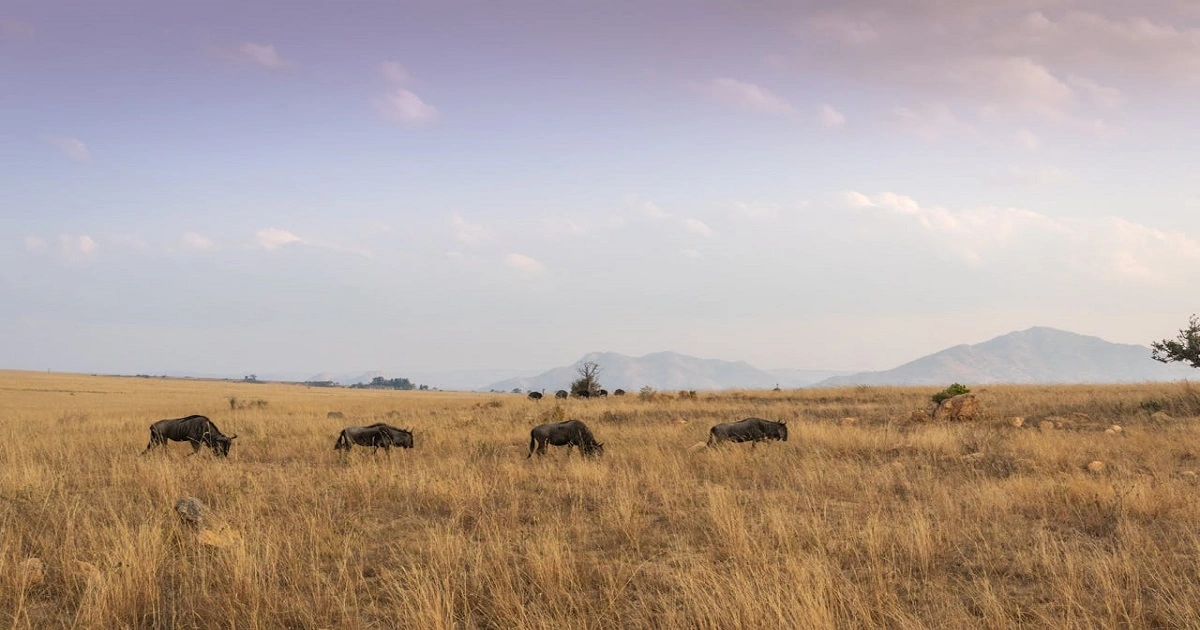
Grassland ecosystem structure describes how living organisms interact and function within grassland environments. Producers, consumers, and decomposers work together to maintain energy flow and ecological balance in grasslands. These trophic interactions help ecosystems remain stable and productive over time.
Grasses and other plants capture energy from sunlight through photosynthesis. Herbivores feed on plants, while predators control animal populations. At the same time, decomposers break down dead organic matter and return nutrients to the soil.
Each group supports ecosystem functioning in a different way. Therefore, the survival of grassland organisms depends on these connected relationships. Understanding grassland ecological structure also helps explain how energy moves through food chains and supports ecosystem stability over time.
How Organisms Are Organized in Grassland Ecosystems
Grassland ecosystems contain many living organisms that perform different ecological roles. These organisms interact through feeding relationships and energy transfer. As a result, the ecosystem remains active and balanced over time.
Ecological organization in grasslands depends on trophic levels. Producers capture energy from sunlight, while consumers obtain energy by feeding on plants or animals. Decomposers then recycle nutrients back into the soil. Therefore, matter and energy continue moving through the ecosystem in a connected cycle.
These ecosystem interactions also help regulate populations and resource use. Predators prevent overgrazing, while decomposers support soil fertility. Each organism contributes to ecosystem functioning in a specific way.
Different species depend on one another for food, shelter, and survival. Consequently, changes in one trophic level may affect the entire ecosystem. These ecological relationships also influence the overall grassland ecosystem, including ecosystem stability and species balance.
Trophic Levels in Grassland Ecosystems
Trophic levels in grassland ecosystems describe how energy moves between living organisms. Producers form the first trophic level because they make food through photosynthesis. Herbivores such as rabbits and grasshoppers occupy the second level by feeding on plants.
Carnivores and omnivores belong to higher trophic levels. Snakes, foxes, and hawks obtain energy by feeding on smaller animals. Thus, energy moves through trophic levels through feeding relationships.
Each trophic level contains less available energy than the level below it. Therefore, grassland ecosystems support more plants than large predators. This biological organization helps maintain balance and supports ecosystem stability.
Interdependence Between Organisms
Organisms in grasslands depend on one another for survival and ecosystem balance. Plants provide food and shelter for herbivores, while predators help regulate animal populations. These food relationships in grasslands create strong ecological connections.
Many organisms also support the ecosystem indirectly. For example, insects help decompose organic matter, while microorganisms return nutrients to the soil. Consequently, producers receive nutrients needed for continued growth.
Ecosystem interactions become weaker when one group declines sharply. A decrease in predators may increase herbivore populations and damage plant cover. Likewise, fewer decomposers can reduce soil fertility over time. These interconnected relationships help ecosystems remain productive and stable.
Producers in Grassland Ecosystems
Producers in grassland ecosystems form the foundation of the food chain. Grasses, herbs, and small plants capture sunlight and convert it into chemical energy. This process supports nearly all living organisms within the ecosystem.
Most grassland producers adapt well to dry and open conditions. Their narrow leaves reduce water loss, while deep roots absorb moisture from lower soil layers. Many grasses also recover quickly after grazing or fire. Therefore, they remain dominant across large grassland regions.
Photosynthesis in grasslands provides energy for herbivores such as deer, rabbits, and insects. Consumers depend directly or indirectly on plant material for survival. As a result, grasses and other producers in grassland ecosystems act as the primary ecosystem energy source.
Grassland plants also help maintain soil stability and nutrient balance. Their roots hold soil together and reduce erosion caused by wind or rain. Furthermore, dead plant material supports decomposers and nutrient recycling.
The productivity of grassland ecosystems depends heavily on healthy plant communities. When producers decline, food availability decreases across higher trophic levels. Consequently, ecological balance and ecosystem functioning may become unstable over time.
Why Grasses Dominate Grasslands
Grasses dominate grasslands because they adapt well to grazing, drought, and seasonal fires. Their growth points remain close to the ground, which protects them from damage. Therefore, grasses can regrow quickly after animals feed on them.
Most grasses also develop deep root systems that store water and nutrients efficiently. These roots help plants survive during dry periods and support rapid recovery after rainfall. As a result, grasses remain widespread in open ecosystems.
Trees often struggle to compete in these conditions because frequent grazing and limited moisture restrict their growth. Consequently, grasses become the dominant primary producers in many grassland ecosystems.
How Producers Support Ecosystem Energy Flow
Producers support ecosystem energy flow by converting sunlight into usable food energy. Through photosynthesis, plants create carbohydrates that store chemical energy. Herbivores then consume plants and transfer this energy to higher trophic levels.
Energy continues moving when carnivores feed on herbivores. However, some energy is lost at every trophic level through heat and biological processes. Therefore, ecosystems require large numbers of producers to support animal populations.
Grassland plants also contribute organic matter to the soil after they die. Decomposers break down this material and recycle nutrients back into the ecosystem. Consequently, producers help maintain nutrient cycling and ecological functioning within grasslands.
Consumers and Trophic Levels in Grasslands
Consumers in grassland ecosystems obtain energy by feeding on plants or other animals. These organisms include herbivores, carnivores, and omnivores. Together, they form a trophic hierarchy that supports ecosystem balance and energy transfer.
Herbivores feed directly on grasses and other plants. Carnivores then hunt herbivores or smaller predators for food. Omnivores consume both plant and animal material depending on food availability. Therefore, each group occupies a different trophic level within the ecosystem.
Grassland animals interact through complex feeding relationships. Predators help control herbivore populations and prevent excessive grazing. At the same time, prey species provide energy for higher trophic levels. Consequently, ecosystem stability depends on balanced predator–prey interactions.
Energy decreases as it moves through trophic levels. Producers contain the largest amount of available energy, while top predators receive much less. This pattern explains why grasslands support large herbivore populations but fewer top predators.
Consumers also contribute to nutrient movement across ecosystems. Animals spread seeds, disturb soil, and recycle nutrients through waste and decomposition. Furthermore, feeding activity influences plant growth and population distribution.
These ecological relationships help maintain balanced populations within grassland ecosystems. Changes in one consumer group may affect several other organisms and influence overall ecosystem stability.
Primary Consumers in Grasslands
Primary consumers feed directly on producers such as grasses, herbs, and shrubs. These herbivores form the second trophic level in grassland ecosystems. Their feeding activity transfers plant energy to higher trophic levels.
Common herbivores in grasslands include deer, rabbits, grasshoppers, and bison. Grasshoppers consume leaves and stems, while rabbits feed on grasses and soft plants. Larger animals such as bison graze across wide grassland areas and influence vegetation growth.
Primary consumers also serve as food sources for predators. Therefore, their populations affect the survival of carnivores and omnivores. Balanced herbivore populations help maintain healthy plant cover and ecological stability in grasslands.
Secondary and Tertiary Consumers
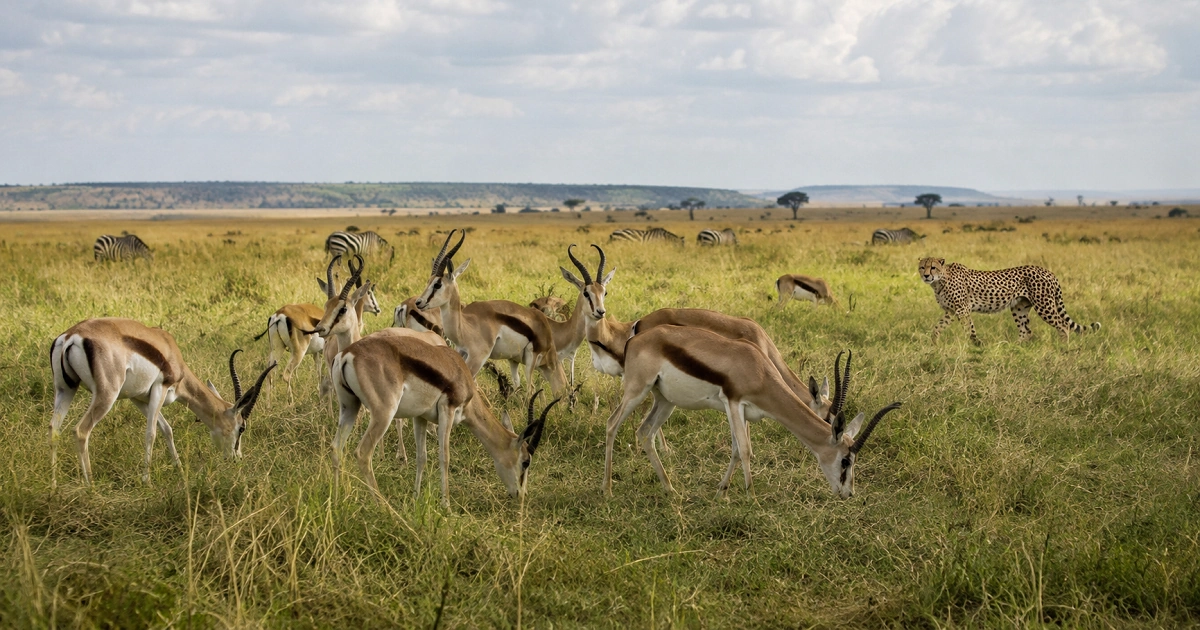
Secondary consumers feed mainly on herbivores and smaller animals. Snakes, foxes, and many birds hunt insects, rabbits, and rodents for energy. These carnivores help regulate prey populations and maintain ecosystem balance.
Tertiary consumers occupy the highest trophic levels in grasslands. Wolves and hawks are common examples of top predators. They hunt smaller carnivores or large herbivores depending on prey availability.
Top predators play an important role in controlling population growth within ecosystems. Without predators, herbivore numbers may increase rapidly and damage grassland vegetation. Consequently, predator activity supports balanced feeding relationships and ecological stability.
Many carnivores in grasslands also compete for territory and food resources. However, different hunting methods often reduce direct competition. This trophic hierarchy allows several predator species to survive within the same ecosystem.
Predator–Prey Relationships in Grasslands
Predator–prey relationships help regulate populations within grassland ecosystems. Predators hunt weaker or slower animals, while prey species develop survival strategies to avoid danger. These interactions maintain balance between different trophic levels.
Many prey animals use camouflage, speed, or group behavior for protection. Rabbits rely on quick movement, while deer remain alert to nearby threats. Predators, however, use sharp senses and hunting skills to capture food efficiently.
Changes in predator or prey populations can affect the entire ecosystem. A decline in predators may increase grazing pressure on plants. Therefore, balanced predator–prey interactions support healthy grassland ecosystems and stable food relationships.
Role of Decomposers in Grassland Ecosystems
Decomposers in grassland ecosystems break down dead plants, animal remains, and organic waste. This process returns nutrients to the soil and supports future plant growth. Without decomposers, organic material would accumulate across the ecosystem.
Fungi, bacteria, and earthworms are common decomposers found in grasslands. These soil organisms feed on decaying matter and release nutrients during decomposition. Consequently, nutrients become available again for producers and other living organisms.
Decomposition in grasslands also improves soil structure and fertility. Earthworms mix organic matter into the soil, while microorganisms help break complex materials into simpler substances. Therefore, decomposers support healthy plant communities and ecosystem productivity.
The decomposition process connects all trophic levels within the ecosystem. Producers create organic matter, consumers use plant and animal energy, and decomposers recycle remaining nutrients. This continuous cycle supports ecosystem functioning and ecological balance.
Many ecological relationships depend on efficient nutrient recycling by decomposers. Dead organisms provide food for decomposers, while decomposed material supports future plant growth. These biotic interactions in ecosystems help maintain long-term ecosystem stability.
Common Decomposers Found in Grasslands
Grassland ecosystems contain many decomposers that help recycle nutrients efficiently. Fungi break down dead wood, leaves, and plant roots using digestive enzymes. Bacteria decompose softer organic material and release nutrients into the soil.
Earthworms also play an important role in organic matter breakdown. They consume decaying material and improve soil aeration through burrowing activity. Consequently, water and nutrients move more easily through the soil.
Small insects, termites, and beetles also contribute to decomposition in grasslands. Together, these soil organisms maintain nutrient availability and support ecosystem productivity.
How Decomposition Supports Ecosystem Stability
Decomposition supports ecosystem stability by recycling nutrients needed for plant growth. When decomposers break down dead material, nutrients return to the soil and become available again. Therefore, producers continue growing and supporting higher trophic levels.
Organic matter breakdown also prevents waste from accumulating across the ecosystem. Dead plants and animals break down naturally instead of accumulating on the grassland surface. Consequently, ecosystems remain cleaner and more balanced over time.
Healthy decomposition processes improve soil fertility and support biodiversity. Plants grow more effectively in nutrient-rich soil, which benefits herbivores and predators alike. Thus, decomposers help maintain stable ecological relationships within grassland ecosystems.
Grassland Food Chain and Energy Flow
A grassland food chain shows how energy moves between living organisms within the ecosystem. Producers capture sunlight and convert it into food energy through photosynthesis. Herbivores then consume plants, while carnivores feed on other animals. Consequently, energy passes through several trophic levels.
Most grasslands contain grazing food chains because herbivores feed directly on grasses and herbs. These feeding relationships connect producers, consumers, and decomposers within one ecological system. Therefore, many grassland species depend on continuous energy transfer for survival.
Energy flow in grassland ecosystems follows a one-way pattern. Organisms use part of the energy for growth, movement, and survival. However, much of the energy is lost as heat during biological processes. As a result, higher trophic levels receive less available energy.
Ecological pyramids help explain this pattern clearly. Producers form the broad base because they contain the largest energy supply. Herbivores occupy the next level, while top predators remain fewer in number. This structure supports balanced ecosystem functioning and stable food relationships.
These feeding connections also resemble many food chains in terrestrial ecosystems. Similar ecological principles operate across forests, grasslands, and other land ecosystems.
Example of a Grassland Food Chain
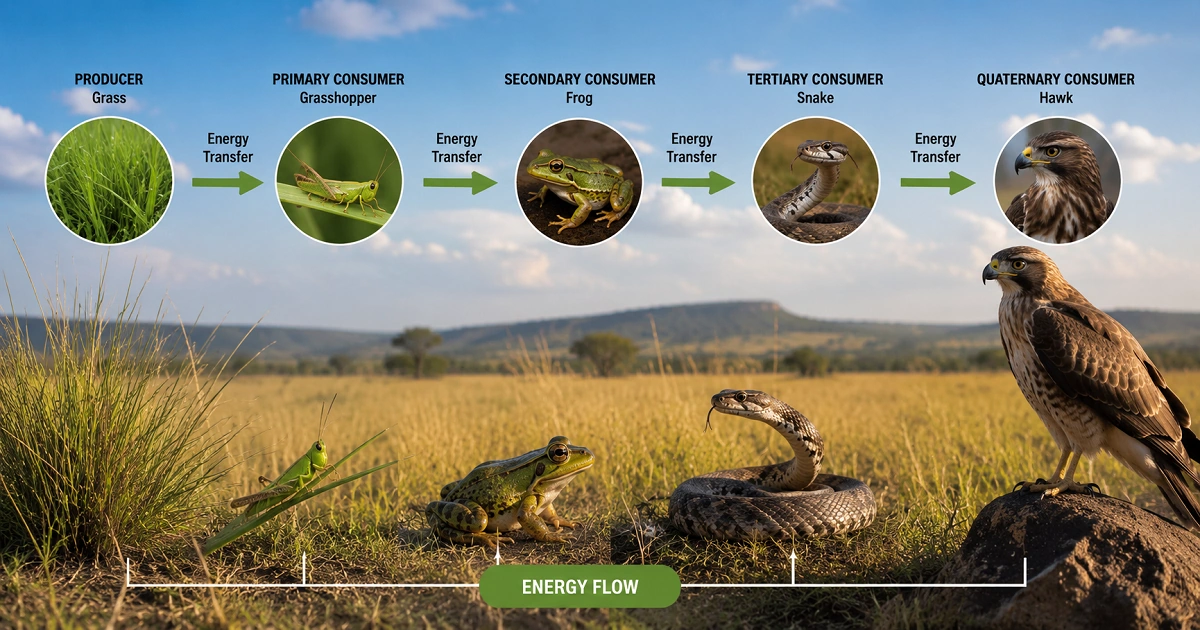
A simple grassland food chain begins with grass as the producer. Grasshoppers feed on grass and act as primary consumers. Frogs then consume grasshoppers, while snakes prey on frogs. Finally, hawks occupy the highest trophic level by feeding on snakes.
This grazing food chain demonstrates the movement of energy between organisms. Each trophic level depends on the level below it for survival. Therefore, changes in one species may influence the entire food chain and ecosystem balance.
Energy Flow Through Trophic Levels
Energy flow through trophic levels begins when producers capture sunlight through photosynthesis. Plants store this energy as food, which herbivores consume for growth and survival. Carnivores then obtain energy by feeding on herbivores or smaller predators.
Only a small portion of energy moves to the next trophic level. Most energy supports metabolism, movement, and body functions before leaving the ecosystem as heat. Consequently, energy decreases steadily at higher trophic levels through the transfer of energy.
This transfer of energy creates the shape of an ecological pyramid. Large numbers of plants support smaller herbivore populations, while only a few top predators survive at the highest level. Therefore, balanced trophic energy flow remains essential for ecosystem stability.
Importance of Trophic Balance in Grasslands
Trophic balance helps maintain stable and healthy grassland ecosystems. Producers, consumers, and decomposers must remain connected through balanced feeding relationships. When populations remain stable, ecosystems function more efficiently and support greater biodiversity.
Balanced ecosystems also respond better to environmental disturbances. Predators regulate herbivore populations, while decomposers recycle nutrients needed for plant growth. Consequently, ecological stability depends on cooperation between different trophic levels.
Grassland biodiversity increases when no single species dominates the ecosystem. Different organisms occupy specific ecological roles and use resources in different ways. Therefore, trophic balance supports long-term ecosystem functioning and population stability.
Disruptions at one trophic level may affect many other organisms. A sharp decline in predators, for example, may increase herbivore populations and reduce plant cover. These changes can weaken ecological balance in grasslands over time.
Effects of Imbalance in Grassland Food Webs
Imbalance in grassland food webs can disrupt feeding relationships and ecosystem stability. Excessive herbivore populations may damage vegetation and reduce food availability for other species. Likewise, declining decomposer activity can slow nutrient recycling within the ecosystem.
The loss of predators may also affect biodiversity and population control. When trophic balance weakens, ecosystems become more vulnerable to environmental stress and resource shortages. Therefore, stable food webs remain important for healthy and productive grassland ecosystems.
Conclusion
Grassland ecosystems depend on strong connections between producers, consumers, and decomposers. Each group performs a specific role that supports ecosystem functioning and ecological balance. Producers capture energy, consumers transfer it through food chains, and decomposers recycle nutrients back into the soil.
Trophic interactions help regulate populations and maintain stable feeding relationships across the ecosystem. Energy moves continuously through trophic levels, although less energy remains available at higher levels. Therefore, healthy grassland ecosystems require balanced ecological organization.
Predator–prey interactions, decomposition, and nutrient recycling all contribute to long-term ecosystem stability. When these relationships remain balanced, grasslands continue supporting diverse organisms and stable ecological processes.