
Grassland Ecosystem: Types, Characteristics, Structure, Flora, Fauna, and Importance
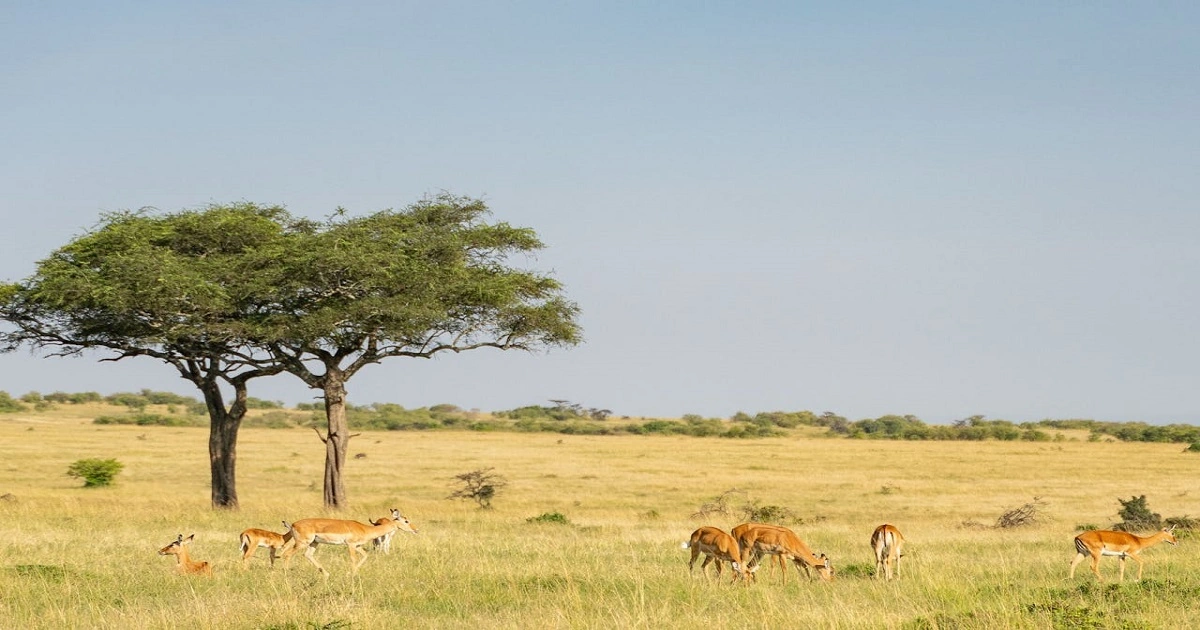
A grassland ecosystem is a terrestrial ecosystem where grasses dominate the landscape. Trees and large shrubs are usually limited because rainfall is moderate and seasonal. These open grasslands support diverse plants, grazing animals, insects, and microorganisms across many regions of the world.
Natural grasslands occur in both tropical and temperate climates. Tropical grasslands, such as savannas, are common in warm regions, while temperate grasslands develop in cooler areas with seasonal weather changes. Each grassland biome supports unique biodiversity and ecological interactions.
These ecosystems also play an important role in soil formation, nutrient cycling, and climate balance. Furthermore, they provide habitat for wildlife and support agriculture in many countries. Therefore, understanding grassland habitats helps explain how these ecosystems maintain environmental stability and biological diversity.
What Is a Grassland Ecosystem?
A grassland ecosystem is an open terrestrial ecosystem where grasses are the dominant vegetation. Trees and dense forests usually do not develop because rainfall remains moderate or seasonal. These ecosystems support many plants, animals, insects, and microorganisms across different continents.
In simple terms, grasslands are land areas mainly covered with grasses rather than large trees. This grassland biome develops in regions where climate and soil conditions favor grass growth. Besides grasses, small shrubs and flowering plants may also grow in some areas.
The grassland ecosystem definition also includes the interaction between living organisms and nonliving environmental factors. Plants, grazing animals, soil, sunlight, rainfall, and microorganisms work together to maintain ecological balance. Therefore, grasslands support complex food chains and biodiversity.
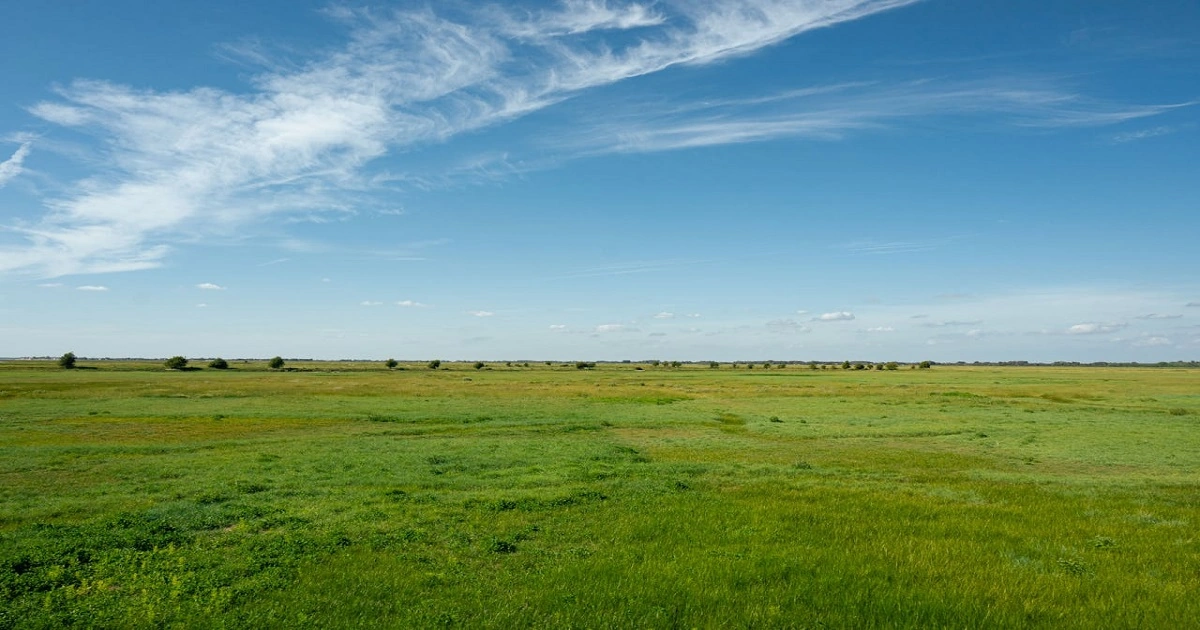
Grasslands occur in tropical and temperate regions around the world. Savannas in Africa and prairies in North America are common examples. These ecosystems help maintain fertile soil, support wildlife habitats, and sustain ecological balance across large landscapes. Different types of grasslands around the world also reflect how climate and vegetation vary across regions.
Furthermore, many grassland regions support farming and livestock grazing because of their productive land and open landscapes.
Characteristics of Grassland Ecosystem
Grasslands have several ecological characteristics that distinguish them from forests and deserts. These ecosystems usually develop in open landscapes with moderate rainfall and limited tree growth. Climate, soil fertility, vegetation, and animal life together shape the overall grassland habitat conditions.
Dominance of Grasses
Grasses are the main vegetation in most grassland ecosystems. Their narrow leaves and deep roots help them survive dry seasons and grazing pressure. In addition, grasses can regrow quickly after rainfall or fire, which supports ecosystem stability.
Different grass species grow in tropical and temperate regions. Some grasslands contain tall grasses, while others support short grass varieties. Besides grasses, small herbs and shrubs may appear in certain areas. However, dense tree cover usually remains limited.
Moderate Rainfall and Seasonal Climate
Grassland climate is generally moderate compared to rainforests or deserts. Most grasslands receive enough rainfall for grass growth but not enough for large forests. Rainfall patterns often change with seasons, especially in tropical grasslands.
Temperatures also vary between regions. Tropical grasslands stay warm throughout the year, whereas temperate grasslands experience cold winters and warm summers. Therefore, seasonal changes strongly influence plant growth, animal activity, and water availability in these ecosystems.
Fertile Soil and Open Landscapes
Many grassland regions contain fertile soil rich in organic matter. Dead grasses and plant remains decompose over time and improve soil nutrients. As a result, grasslands often support agriculture and grazing activities in different countries.
Grasslands also have wide open landscapes with very few trees. These open areas allow sunlight to reach the ground easily. Furthermore, strong winds and periodic fires help maintain grassland vegetation by limiting excessive tree growth.
Presence of Grazing Animals
Grasslands support many herbivorous animals because grasses provide a steady food source. Common grazing animals include zebras, bison, antelopes, deer, and wild horses. These animals feed directly on grasses and help maintain ecological balance.
Predators such as lions, wolves, and cheetahs also live in some grassland habitats. They control herbivore populations and support stable food chains. Also, insects, birds, and burrowing animals contribute to the biodiversity and functioning of grasslands.
Structure of Grassland Ecosystem
The ecological structure of grasslands depends on interactions between producers, consumers, and decomposers. Each group performs a specific role in maintaining energy flow and ecosystem stability. Together, these organisms form a balanced trophic structure that supports biodiversity and nutrient cycling.
Producers in Grasslands
Producers form the foundation of habitats because they make food through photosynthesis. Grasses are the primary producers, although herbs and small shrubs may also grow in some regions. These plants convert sunlight into energy and support other organisms.
Deep root systems help grasses absorb water from the soil efficiently. In addition, grasses recover quickly after grazing and seasonal fires. This ability allows producers to maintain food supply and ecosystem productivity throughout changing environmental conditions.
Consumers in Grasslands
Consumers depend directly or indirectly on producers for energy. Primary consumers include grazing animals such as zebras, rabbits, deer, and bison. These herbivores feed on grasses and transfer energy to higher trophic levels.
Secondary and tertiary consumers include carnivores like wolves, lions, foxes, and cheetahs. They prey on herbivores and help regulate animal populations. Therefore, grassland producers and consumers help maintain ecological balance through interconnected predator-prey relationships.
Decomposers and Nutrient Cycling
Decomposers in grasslands include bacteria, fungi, worms, and insects. These organisms break down dead plants and animal remains into simpler substances. As decomposition occurs, nutrients return to the soil and support new plant growth.
Nutrient cycling is important because these environments depend on healthy and fertile soil. Furthermore, decomposers reduce waste accumulation and improve soil structure over time. This continuous recycling process helps maintain long-term ecosystem productivity and environmental balance.
Components of Grassland Ecosystems
Grasslands are consists of both living and non-living factors that interact continuously. These components help maintain ecological balance and support biodiversity across open grassland habitats.
Biotic and abiotic factors together influence plant growth, animal survival, nutrient cycling, and ecosystem productivity.
Biotic Components
Biotic components include all living organisms found in these habitats. These living components mainly consist of grasses, herbs, shrubs, animals, insects, fungi, and microorganisms. Producers such as grasses form the base of the ecosystem by preparing food through photosynthesis.
Herbivores like deer, zebras, rabbits, and bison feed on grasses and transfer energy through the food chain. Carnivores, including wolves and lions, prey on herbivores and help regulate populations.
In addition, decomposers such as bacteria and fungi break down dead organic matter and return nutrients to the soil. Similar interactions between living organisms can also be understood through biotic and abiotic factors.
Abiotic Components
Abiotic components refer to the non-living environmental factors that influence grassland habitats. Important abiotic factors include sunlight, rainfall, soil, temperature, wind, and humidity. These conditions determine the growth of grasses and the distribution of wildlife in different regions.
Moderate rainfall supports grass growth, while seasonal temperatures affect ecosystem productivity. Soil fertility also plays an important role because nutrient-rich soil supports dense grass vegetation.
Besides this, sunlight provides energy for photosynthesis and helps maintain ecological processes. Wind and periodic fires also influence grassland structure by limiting excessive tree growth and supporting open landscapes.
Grassland Food Chain and Energy Flow
The grassland food chain explains how energy moves through different trophic levels in the ecosystem. Producers capture solar energy, and consumers transfer this energy through feeding relationships. Decomposers later recycle nutrients back into the soil, thus maintaining ecological balance and productivity.
Producers and Primary Consumers
Producers in grasslands mainly include grasses and small plants that prepare food through photosynthesis. These plants form the first trophic level and provide energy for herbivores. Primary consumers such as rabbits, deer, bison, zebras, and grasshoppers feed directly on grasses.
These grazing animals play an important role in transferring energy to higher trophic levels. In addition, herbivores help maintain vegetation balance within grassland ecosystems.
Secondary and Tertiary Consumers
Secondary consumers feed on herbivores and occupy higher positions in the grassland food chain. Foxes, snakes, wild cats, and some birds are common secondary consumers found in grasslands. They help regulate herbivore populations and maintain ecosystem stability.
Tertiary consumers include top predators such as lions, cheetahs, and wolves. These predators occupy the highest trophic levels and control the overall food chain. Besides this, scavengers also feed on dead organisms and support nutrient recycling within the ecosystem.
Energy Transfer in Grasslands
Energy flow in grasslands begins with sunlight captured by producers during photosynthesis. This energy passes from producers to herbivores and then to carnivores through feeding relationships. However, only a small amount of energy transfers from one trophic level to the next.
Most energy is lost as heat during metabolic activities. Therefore, ecological pyramids usually show decreasing energy at higher trophic levels.
Decomposers finally break down dead plants and animals, returning nutrients to the soil. Similar ecological interactions can also be understood through food chain in ecosystems.
Types of Grasslands
Grasslands develop under different climatic conditions across the world. Based on climate and vegetation, scientists mainly classify grasslands into tropical and temperate types. These ecosystems differ in rainfall, temperature, plant growth, and wildlife diversity.
Tropical grasslands, also called savannas, occur in warm regions with seasonal rainfall. They contain tall grasses with scattered trees and support large grazing animals. African savannas are among the most well-known examples of tropical grasslands.
Temperate grasslands develop in regions with moderate rainfall and distinct seasons. Prairies in North America, steppes in Eurasia, and pampas in South America are common examples. These grasslands usually contain fewer trees and support fertile soils suitable for agriculture.
Overall, the main grassland types include savannas, prairies, steppes, and pampas. Each grassland biome supports unique ecological conditions and biodiversity.
Tropical Grassland (Savanna) Ecosystem
Tropical grasslands, commonly called savannas, develop in warm regions with seasonal rainfall. These ecosystems contain vast grass-covered landscapes with scattered trees and shrubs. Tropical savannas support rich biodiversity and some of the world’s most famous wildlife populations.
These ecosystems also play an important role in nutrient cycling, grazing, and ecological balance across tropical regions.
Climate and Rainfall
Tropical grassland climate remains warm throughout the year with distinct wet and dry seasons. Most savanna regions receive moderate rainfall, although rainfall patterns vary between locations. The long dry season limits dense forest growth and favors grasses instead.
Temperatures usually stay high in tropical grasslands. In addition, seasonal rainfall supports rapid grass growth during wet months. Periodic droughts and natural fires also help maintain open savanna landscapes by controlling excessive tree growth.
Vegetation and Wildlife
Savanna grasslands mainly contain tall grasses along with scattered trees such as acacia and baobab. These plants adapt well to dry conditions, seasonal fires, and grazing pressure. Deep roots help many grasses absorb underground water during dry periods.
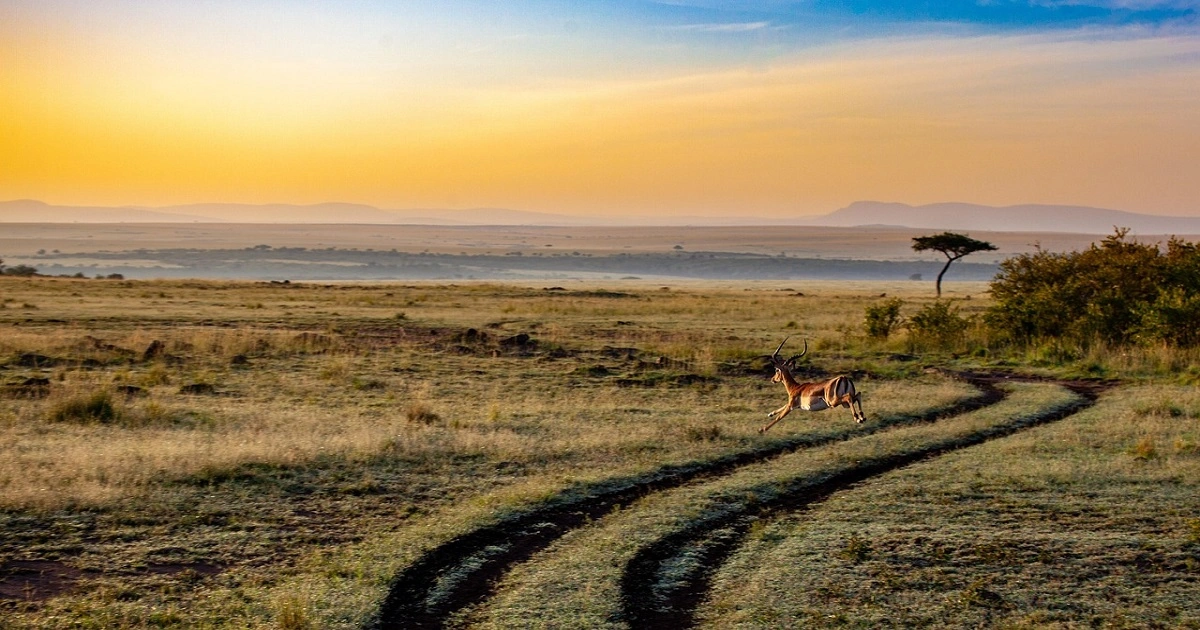
Tropical grasslands support diverse wildlife populations. Large herbivores such as zebras, elephants, giraffes, antelopes, and wildebeests commonly inhabit these ecosystems. Predators including lions, cheetahs, leopards, and hyenas depend on grazing animals for food.
Birds, insects, reptiles, and scavengers also contribute to grassland biodiversity. In addition, migration is an important feature of many African savanna ecosystems, where animals move seasonally in search of food and water.
Distribution and Examples
Tropical grasslands occur in Africa, South America, Australia, and parts of Asia. The African savanna is the most famous tropical grassland ecosystem because of its rich wildlife diversity and seasonal animal migrations.
Other important examples include the Llanos grasslands of South America and the tropical savannas of northern Australia. These ecosystems support grazing animals, predators, and many plant species adapted to warm climatic conditions.
Temperate Grassland Ecosystem
Temperate grasslands develop in regions with moderate rainfall and clear seasonal changes. These ecosystems typically consist of large open plains with very few trees. Temperate grasslands support fertile soils, diverse grasses, and many grazing animals.
In addition, they play an important role in agriculture and livestock grazing in several parts of the world.
Climate and Seasonal Conditions
Temperate grassland climate includes warm summers and cold winters. Rainfall remains moderate and usually occurs during the growing season. However, rainfall is often insufficient for dense forests to develop across these regions.
Seasonal temperature changes strongly influence vegetation and animal activity. Snowfall may occur during winter in some temperate grasslands. Besides this, periodic droughts and natural fires help maintain open grassland landscapes.
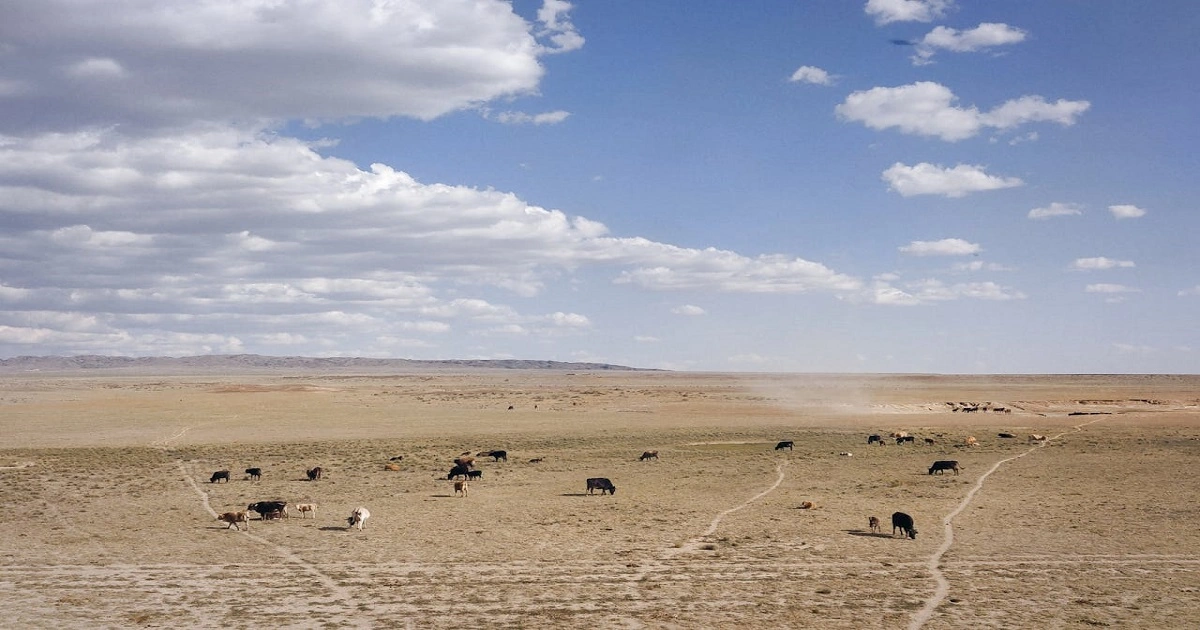
Vegetation and Animals
Temperate grasslands mainly contain short and tall grasses adapted to seasonal climate conditions. Deep grass roots help prevent soil erosion and improve soil fertility. Trees remain limited because rainfall and environmental conditions favor grass growth.
These ecosystems support many herbivores such as bison, deer, wild horses, and prairie dogs. Carnivores including wolves, foxes, and coyotes also inhabit temperate grasslands. In addition, several bird species depend on grasslands for nesting and feeding.
Temperate grasslands are also important agricultural regions because of their fertile soil, which supports crop production and livestock grazing in many regions.
Major Temperate Grasslands of the World
Different temperate grasslands occur across several continents. Prairies in North America, steppes in Eurasia, pampas in South America, and velds in South Africa are major examples of temperate grassland biomes.
Each region supports unique plant and animal species adapted to local climate conditions. However, all temperate grasslands share open landscapes, fertile soils, and grass-dominated vegetation.
Flora and Fauna of Grassland Ecosystems
Grasslands support a wide variety of plant and animal species adapted to open environments. Climate, rainfall, soil, and grazing pressure influence the distribution of grassland flora and fauna. These ecosystems contain many organisms that help maintain food chains, nutrient cycling, and ecological balance.
Common Grassland Plants
Grasses are the dominant plants in most grasslands. Common grassland plants include buffalo grass, elephant grass, red oat grass, ryegrass, and wheatgrass. These plants grow quickly and adapt well to grazing, drought, and seasonal fires.
Many grasses develop deep root systems that help absorb water from underground soil layers. In addition, some grassland regions support shrubs, herbs, and flowering plants. Acacia and baobab trees also grow in tropical savannas with scattered vegetation.
Grassland plants play an important role in preventing soil erosion and supporting herbivorous animals. Besides this, grasses improve soil fertility through decomposition and nutrient recycling processes.
Grassland Animals and Adaptations
Grassland ecosystems support diverse animal species ranging from insects to large mammals. Herbivores such as zebras, deer, bison, antelopes, and rabbits depend on grasses as their main food source. Carnivores including lions, wolves, cheetahs, and foxes prey on herbivores and help maintain ecological balance.
Many grassland animals show special adaptations for survival. Grazing animals often develop strong teeth and digestive systems for feeding on grasses. Fast-running animals such as cheetahs and antelopes adapt to open landscapes where speed helps survival.
Some animals use camouflage to blend with dry grass vegetation. Burrowing animals such as prairie dogs and rabbits also escape predators by living underground. In addition, migratory behavior helps many grazing animals find food and water during dry seasons.
Grassland wildlife contributes greatly to biodiversity and ecosystem stability by supporting food chains, ecological interactions, and natural population balance.
Importance of Biodiversity in Grasslands
Biodiversity helps these habitats remain stable and productive. Different plant and animal species perform important ecological functions such as pollination, nutrient cycling, grazing control, and decomposition. Therefore, healthy biodiversity supports long-term ecosystem balance.
Grasslands also provide habitat for birds, insects, reptiles, and microorganisms. Besides this, diverse ecosystems recover more effectively from droughts, fires, and environmental disturbances, helping maintain long-term ecological stability.
Grassland Soil and Nutrient Cycling
Grasslands are widely known for their fertile soil and active nutrient cycling processes. Soil quality strongly influences plant growth, biodiversity, and ecosystem productivity. In addition, decomposers and plant remains help maintain healthy grassland soil through continuous recycling of nutrients and organic matter.
Studies on grassland ecosystems and nutrient cycling highlight the relationship between soil processes, biodiversity, and ecosystem stability.
Fertility of Grassland Soil
Grassland soil is usually rich in nutrients and organic matter. Dead grasses and roots decompose over time and form humus-rich soil layers. As a result, many grasslands support productive agriculture and livestock grazing activities.

Deep grass roots also improve soil structure and reduce erosion. These roots help retain moisture and nutrients within the soil. Besides this, fertile soil supports dense vegetation growth and maintains ecosystem productivity in both tropical and temperate grasslands.
Some temperate grasslands contain among the most fertile soils in the world. Therefore, many farming regions developed in these ecosystems because of their high agricultural value.
Role of Decomposition and Nutrients
Decomposition is an important process in nutrient cycling within these habitats. Bacteria, fungi, insects, and worms break down dead plants and animal remains into simpler substances. These nutrients then return to the soil and support new plant growth.
Nutrient cycling helps maintain soil fertility and ecological balance. Besides, decomposers reduce waste accumulation and improve soil quality over time. Seasonal fires also contribute to nutrient recycling by returning minerals to the soil surface.
Healthy nutrient cycling supports grasses, herbivores, and higher trophic levels throughout the ecosystem. Thus, decomposition plays a major role in maintaining long-term grassland productivity and environmental stability.
Importance of Grassland Ecosystems
Grasslands provide many ecological, environmental, and economic benefits. These ecosystems support biodiversity, maintain fertile soil, regulate climate, and provide resources for human activities.
Besides this, grasslands help sustain wildlife populations and ecological balance across many regions of the world. The ecological value of grasslands is closely linked to biodiversity protection, sustainable land use, and climate stability.
Ecological Importance
Grasslands support important ecological processes such as nutrient cycling, soil formation, pollination, and energy transfer. Grasses and other plants stabilize soil and reduce erosion caused by wind and water. In addition, decomposers help recycle nutrients and maintain ecosystem productivity.
These ecosystems also support balanced food chains involving herbivores, carnivores, and decomposers. Periodic fires and grazing activities naturally maintain vegetation structure and biodiversity. Similar ecological functions can also be observed through forest biodiversity.
Importance for Wildlife and Biodiversity
Grasslands provide habitat for many plant and animal species. Grazing animals, predators, birds, insects, and microorganisms depend on grassland habitats for food and shelter. Therefore, these ecosystems support rich biodiversity and ecological interactions.
Many migratory animals also rely on grasslands during seasonal movement. Besides this, diverse ecosystems remain more stable during droughts and environmental changes.
Importance for Humans and Agriculture
Grasslands are important for farming, livestock grazing, and food production. Fertile soil supports the cultivation of crops such as wheat, maize, and barley in many regions. In addition, grasslands provide grazing land for cattle, sheep, and other domestic animals.
Many human communities depend on grasslands for livelihoods and economic activities. These ecosystems also supply raw materials, medicinal plants, and natural resources. Therefore, grasslands contribute greatly to agriculture and rural economies around the world.
Role in Climate Regulation
Grasslands help regulate climate by storing carbon in soil and vegetation. Deep grass roots absorb carbon dioxide and reduce the amount of greenhouse gases in the atmosphere. Thus, healthy grasslands support climate balance and environmental stability.
Grasslands also influence local temperature, rainfall patterns, and water cycles. Similar environmental benefits can also be observed through importance of forests in climate regulation.
Threats to Grassland Ecosystems
Grassland ecosystems face several environmental threats caused by natural and human activities. Overgrazing, climate change, habitat destruction, and land conversion are reducing grassland biodiversity and productivity. In addition, these ecosystem threats disturb food chains, soil fertility, and ecological balance in many regions.
Overgrazing and Land Conversion
Overgrazing occurs when animals feed excessively on grasses without enough recovery time for vegetation. Continuous grazing weakens plant growth and increases soil erosion. As a result, grassland degradation reduces ecosystem productivity and biodiversity.
Large grassland areas are also converted into agricultural fields, roads, and urban settlements. These land-use changes destroy natural vegetation and disturb wildlife habitats. Besides this, excessive farming may reduce soil fertility over time.
Climate Change and Desertification
Climate change affects rainfall patterns, temperature, and seasonal cycles in grassland ecosystems. Long droughts and rising temperatures reduce grass growth and water availability. Therefore, many grassland regions become more vulnerable to environmental stress.
Desertification occurs when fertile land gradually turns dry and unproductive. Poor land management, drought, and vegetation loss accelerate this process. In addition, desertification threatens biodiversity, agriculture, and ecosystem stability across vulnerable regions.
Habitat Loss and Human Activities
Human activities such as mining, industrial development, and deforestation continue to damage grassland habitats. Habitat destruction reduces food sources and shelter for many species. Similar environmental problems can also be understood through deforestation and habitat destruction.
Pollution and invasive species also affect grassland ecosystems negatively. Besides this, uncontrolled fires and hunting may disturb ecological balance and reduce wildlife populations over time.
Grassland Conservation and Sustainable Management
These environments require proper conservation and sustainable management to maintain biodiversity and ecological balance. Human activities, climate change, and land degradation continue to threaten many grassland regions worldwide.
Therefore, conservation efforts are important for protecting wildlife habitats, fertile soil, and long-term ecosystem productivity. Approaches to restoring and protecting grassland ecosystems focus on sustainable land use, habitat conservation, and biodiversity management.
Conservation Methods
Grassland conservation includes several methods that protect vegetation, wildlife, and soil quality. Protected areas, wildlife reserves, and national parks help conserve natural grassland habitats. In addition, habitat restoration programs improve degraded ecosystems by replanting native grasses and controlling invasive species.
Governments and environmental organizations also promote ecosystem protection through conservation policies and awareness programs. Controlled burning and rotational grazing help maintain healthy vegetation, improve soil conditions, and prevent excessive plant growth.
Scientists also monitor biodiversity, soil conditions, and climate impacts in vulnerable grassland regions. Thus, conservation programs help maintain ecological stability and support sustainable ecosystem management.
Sustainable Grazing and Land Use
Sustainable land management helps reduce grassland degradation and soil erosion. Farmers and herders can prevent overgrazing by rotating grazing areas and limiting livestock pressure. As a result, grasses receive enough time to recover naturally.
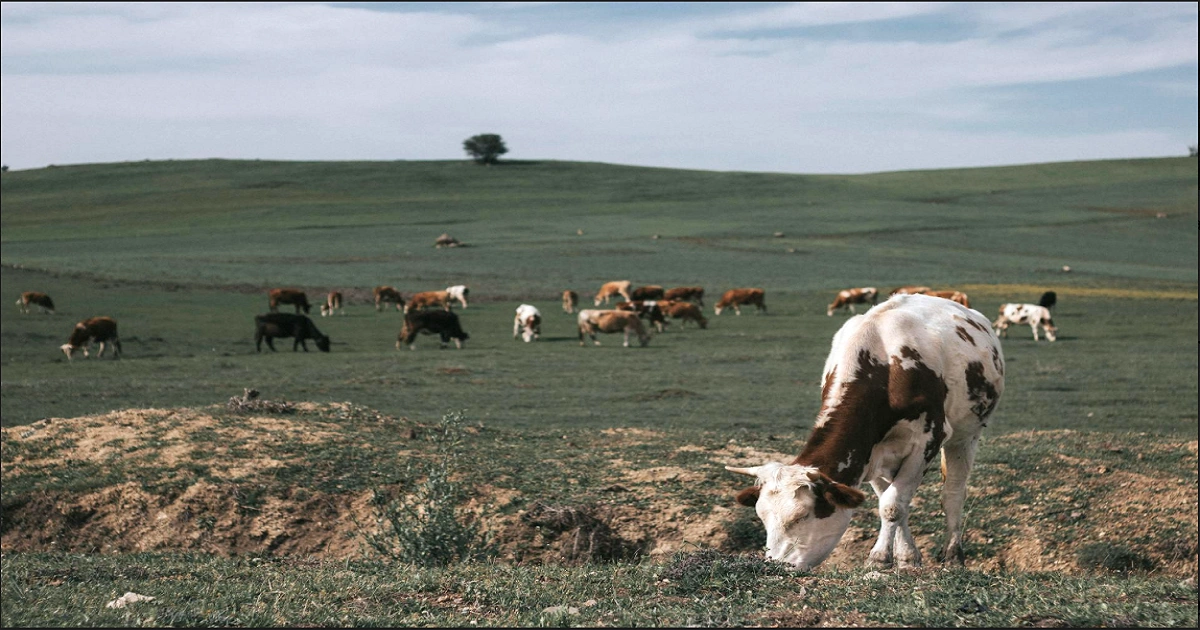
Proper land-use planning also reduces habitat destruction caused by agriculture and urban expansion. Besides this, sustainable farming practices help maintain soil fertility and biodiversity within grassland ecosystems.
Importance of Grassland Protection
Grassland protection is important for preserving biodiversity, food chains, and ecosystem services. Healthy grasslands support wildlife habitats, fertile soil, and climate regulation. Therefore, protecting these ecosystems benefits both nature and human communities.
Grasslands also help reduce carbon dioxide levels through carbon storage in soil and vegetation. In addition, ecosystem protection supports sustainable agriculture, water conservation, and long-term environmental stability.
FAQs About Grassland Ecosystems
Grasslands often raise questions related to climate, vegetation, wildlife, and ecological importance. These frequently asked questions provide simple explanations about grassland biomes and their environmental role.
What is a grassland ecosystem?
A grassland ecosystem is a terrestrial ecosystem dominated mainly by grasses. Trees are usually limited because rainfall remains moderate or seasonal. These ecosystems support diverse plants, animals, and ecological interactions.
What are the main types of grasslands?
Savannas are tropical grasslands, while prairies, steppes, pampas, and velds (grasslands of South Africa) are common temperate grassland examples.
What animals live in grasslands?
Grasslands support herbivores such as zebras, bison, deer, antelopes, and rabbits. Predators including lions, wolves, cheetahs, and foxes also inhabit many grassland ecosystems.
Where are grasslands found?
Grasslands occur in Africa, North America, South America, Eurasia, and Australia. Tropical and temperate grasslands develop under different climatic conditions across these regions.
Why are grasslands important?
Grasslands support biodiversity, fertile soil, nutrient cycling, and food chains. In addition, they provide grazing land, agricultural benefits, and climate regulation services.
What is the climate of grasslands?
Grassland climate usually includes moderate rainfall and seasonal temperature variations. Tropical grasslands remain warm year-round, whereas temperate grasslands experience cold winters and warm summers.
How are grasslands different from forests?
Grasslands are dominated by grasses and contain very few trees. Forests, however, support dense tree cover and higher rainfall conditions.
Conclusion
Grasslands are important natural systems that support biodiversity, ecological balance, and human livelihoods across many regions of the world.
These open landscapes provide habitat for diverse plants, grazing animals, predators, insects, and microorganisms. In addition, grasslands help maintain fertile soil, nutrient cycling, and climate stability.
Tropical and temperate grasslands both contribute greatly to environmental sustainability and ecosystem productivity. However, overgrazing, habitat destruction, and climate change continue to threaten many grassland regions.
Therefore, conservation and sustainable land management are necessary for long-term ecosystem protection.
Understanding grassland ecosystems also increases awareness about their ecological and economic value. Protecting these ecosystems helps preserve biodiversity, maintain environmental balance, and support future generations.