
Grassland Plants and their Adaptations
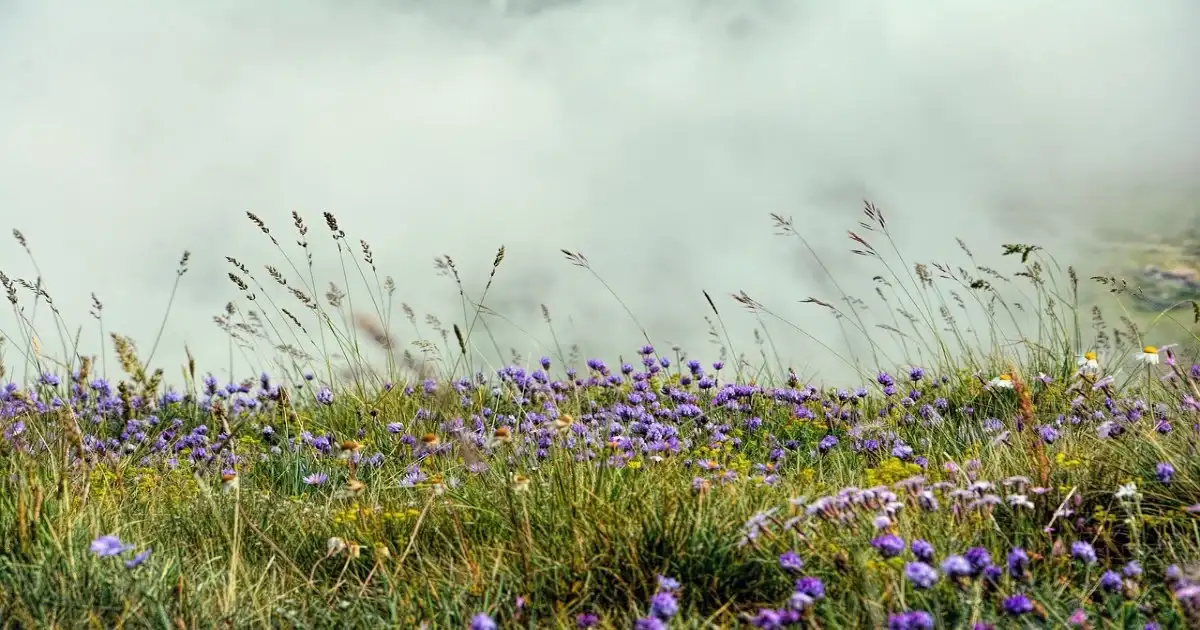
Grassland plants are species that grow in landscapes where grasses and other herbaceous vegetation dominate. They include grasses, herbs, wildflowers, legumes, and some woody plants.
Grassland vegetation varies with rainfall, temperature, soil conditions, and seasonal changes. However, many plants of grasslands face similar pressures. Grazing animals may repeatedly eat their leaves. Fires can remove above-ground growth. Dry periods can also limit available water.
These challenges have shaped many useful plant adaptations. Deep roots can reach moisture below the surface. Protected growing points help some plants recover after grazing or fire. Seasonal growth patterns also help plants cope with changing conditions.
Together, these traits allow grassland plant species to survive and reproduce in habitats where disturbance and environmental stress are common.
What Are Grassland Plants?
Grassland plants are species that grow in open habitats where grasses and other low-growing vegetation form most of the plant cover. They include grasses, herbs, wildflowers, legumes, and some woody species.
Unlike plants in dense forests, many grassland plants grow with little shade from tall trees. They must cope with strong sunlight, seasonal dryness, grazing, and periodic fires. Their growth patterns often reflect these conditions.
Grassland vegetation also changes from one region to another. Rainfall, temperature, soil, and disturbance affect which species can survive. Therefore, a dry grassland may support different plants from a wetter prairie or savanna.
Grasses and Grass-Like Plants
Grasses make up much of the vegetation in many grasslands. Their narrow leaves and fibrous roots suit open, often dry environments.
Many grass species grow from protected points near the ground. This allows perennial grasses to regrow after grazing or fire. Sedges and other grass-like vegetation may also occur in wetter parts of some grasslands.
Herbaceous Plants and Wildflowers
Herbaceous plants add variety to grassland vegetation. They include forbs, flowering plants, and native wildflowers that grow among grasses.
Many produce colorful flowers that support bees, butterflies, and other pollinators. Unlike woody plants, these non-woody plants usually have softer stems.
Some grow for only one season, while others survive for many years. Their roots and growth patterns help them cope with drought, grazing, and seasonal changes.
What Types of Plants Grow in Grasslands?
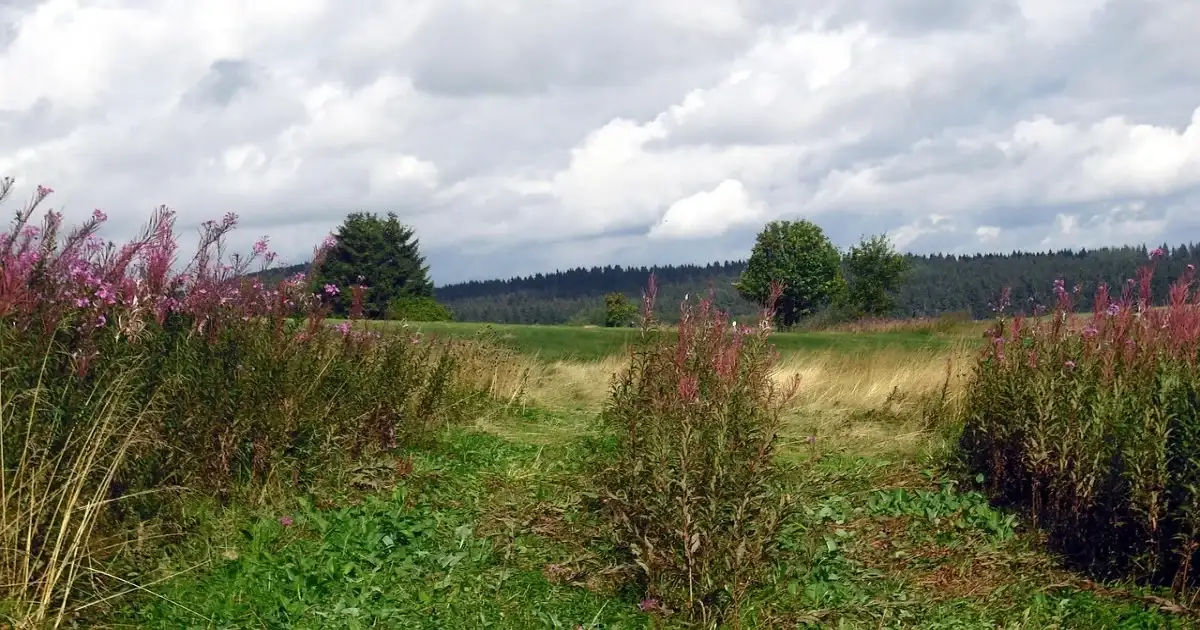
Grassland plant types vary with climate, rainfall, soil, and disturbance. Some grasslands are dominated by tall grasses, while others contain shorter grasses mixed with flowering herbs. Grasslands support diverse plant communities adapted to fire, grazing, drought, and seasonal changes.
Wet areas may also support sedges and other moisture-loving plants. Therefore, no single group of plants occurs in every grassland.
Grasses
Grasses are the most familiar part of many grassland flora. They range from short species in dry regions to tall grasses where rainfall is higher.
Many have fibrous roots that help absorb water and hold soil. Their protected growth points also help them recover after grazing, cutting, or fire.
Perennial grasses can survive for several growing seasons. In tropical regions, tall grasses often grow alongside scattered woody plants in savannas this allows them to remain a major part of grassland vegetation.
Forbs and Wildflowers
Forbs are broad-leaved herbaceous plants that are not grasses or grass-like plants. Many produce flowers and form an important part of prairie vegetation.
Examples include asters, coneflowers, and milkweeds. These flowering herbs add plant diversity and provide nectar, pollen, seeds, or leaves for wildlife.
Their abundance can change with rainfall, grazing, and the season. As a result, the same grassland can show different plant communities throughout the year.
Legumes
Legumes are flowering plants that include clovers, lupines, and other grassland species. Many legumes form relationships with soil bacteria that help them obtain usable nitrogen.
This relationship can support plant growth in nutrient-limited soils. Legumes also provide food for insects, birds, and grazing animals.
They often grow alongside grasses rather than replacing them. Their presence can therefore add plant diversity and nutritional value to grassland vegetation.
Sedges and Other Grass-Like Plants
Sedges resemble grasses but belong to a different plant family. They often prefer moist soils and can occur around wetlands or wetter grassland areas.
Other grass-like plants may also grow where local soil moisture and climate allow. Their presence shows how small changes in habitat conditions can influence grassland flora.
Shrubs and Small Woody Plants
Some grasslands contain scattered shrubs or small woody plants. Their abundance depends strongly on rainfall, fire, grazing, and other local conditions.
Therefore, woody vegetation is not equally common in every grassland. In savannas, for example, grasses can grow alongside scattered trees and shrubs.
In many temperate grasslands, however, grasses and herbaceous plants form most of the vegetation. The balance between these plant groups depends on the conditions of each habitat.
Examples of Grassland Plants
Grasslands contain many plant species, and their composition changes with climate and local conditions. Some species thrive in dry prairies, while others prefer warmer savannas.
The examples below show how different plants cope with their surroundings. Their roots, growth patterns, and water-use strategies can vary widely.
| Plant Example | Grassland Setting | Notable Adaption |
| Big bluestem | Temperate grassland | Extensive root system |
| Buffalo grass | Temperate grassland | Drought tolerance |
| Switchgrass | Temperate grassland | Deep, spreading roots |
| Elephant grass | Tropical grassland | Rapid growth during favorable conditions |
| Acacia species | Savanna | Drought adaptation |
| Milkweed species | Temperate grassland | Deep roots and seasonal growth |
Big bluestem, buffalo grass, and switchgrass are common examples associated with North American grasslands. Their root systems help them cope with seasonal dryness.
Elephant grass can grow rapidly in warm, seasonal environments. Acacia species are common woody plants in many savannas and have traits that help them cope with dry conditions.
Milkweed species add flowering plant diversity to many temperate grasslands. They also provide an important food source for some insects.
These examples show that grassland vegetation is not limited to one plant form. Grasses, flowering herbs, legumes, and woody plants can all contribute to different grassland communities.
How Do Grassland Plants Adapt to Their Environment?
Grassland plants face several environmental pressures throughout the year. Water may become scarce, grazing animals may remove leaves, and fires may burn above-ground vegetation. These conditions have shaped adaptations that help grasses survive environmental stress.
Plants therefore need ways to survive these challenges and continue growing. Their adaptations often involve roots, growth points, water use, and seasonal growth.
These traits also vary between species. A plant from a dry grassland may use different strategies from one growing in a wetter habitat.
Deep and Extensive Root Systems
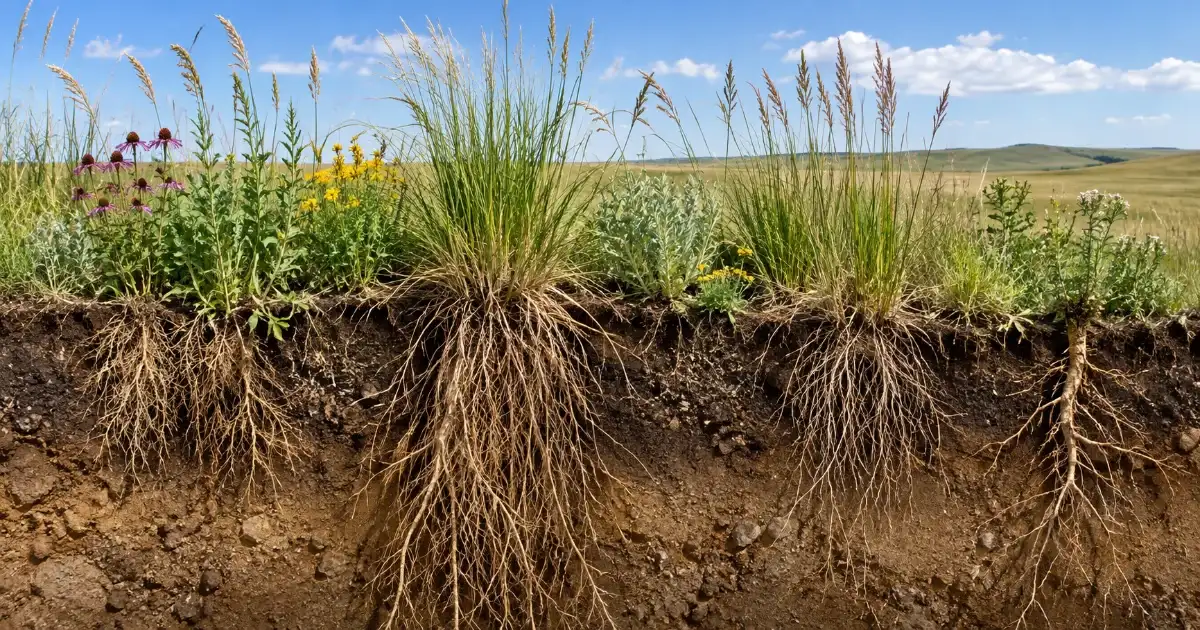
Many grassland plants develop deep or extensive root systems. These roots can reach moisture below the dry upper layers of soil.
Deep roots can help plants survive periods with little rainfall. They also anchor plants firmly and help them remain established during harsh conditions.
Some grass species develop large underground root networks. These roots can store resources and support new growth when conditions improve.
Root systems also contribute to soil stability. By spreading through the soil, they help hold soil particles together and reduce erosion.
Growth From Protected Basal Tissues
Many grasses grow from tissues located close to the ground. These growing points remain less exposed than the tips of tall stems.
This structure helps plants recover after grazing. An animal may remove much of the leaf and stem, but the growing tissue can remain intact.
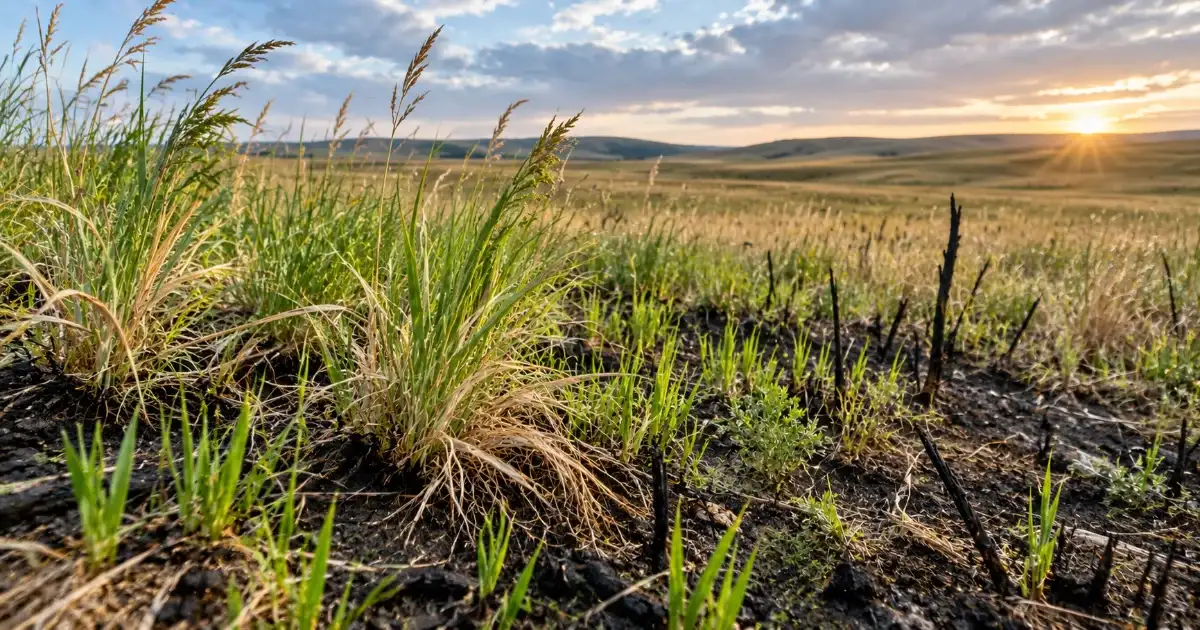
The same strategy can help after fire. Flames may burn above-ground leaves, while protected tissues near the soil survive.
This ability to regrow gives many perennial grasses an advantage in frequently disturbed grasslands. It also helps explain why grasses can remain dominant under repeated grazing.
Adaptations to Drought
Water shortages are common in many grasslands, especially during dry seasons. Plants have several ways to reduce the effects of water stress.
Deep roots can reach moisture stored farther below the surface. Some plants also reduce water loss through their leaves during especially dry periods.
Certain species slow their growth when water becomes scarce. This seasonal dormancy reduces their need for water until conditions become more favorable.
These strategies do not make plants immune to drought. Instead, they improve their chances of surviving periods when soil moisture becomes limited.
Adaptations to Fire
Fire is a natural disturbance in many grassland environments. It can remove leaves and stems quickly, but some plants can recover afterward.
Protected roots and growing tissues allow certain grassland plants to survive fire below the soil surface. New shoots can then develop when conditions become suitable.
Some plants also recover rapidly after a burn. Their underground structures provide a source of stored resources for new growth.
However, fire responses differ between species. A plant’s ability to survive depends on factors such as fire intensity, timing, and the condition of the plant.
Adaptations to Grazing
Grazing animals can remove large amounts of vegetation from grasslands. Plants that grow in these habitats often have traits that help them tolerate repeated feeding.
Basal growth is one important strategy. When growing points remain close to the ground, grazing animals may remove less of the tissue needed for regrowth.
Some plants can also replace leaves quickly after grazing. This rapid regrowth helps them continue photosynthesis when enough moisture and nutrients are available.
Other species use tough leaves or chemical defenses. These traits can make their tissues less attractive or less suitable for some herbivores.
Grazing tolerance does not mean unlimited resistance. Heavy grazing can still weaken plants and change grassland vegetation when pressure remains too high.
Seasonal Growth and Dormancy
Grassland plants must often respond to strong seasonal changes. Rainfall may arrive during only part of the year, while temperatures can vary widely.
Some plants grow rapidly when water and sunlight are available. They then slow their growth during dry or cold periods.
Dormancy allows certain plants to conserve resources during unfavorable conditions. Their roots, bulbs, seeds, or other protected structures can remain inactive until conditions improve.
In temperate grasslands, many plants become dormant during cold winters. In tropical grasslands, some species respond more strongly to seasonal dry periods.
These seasonal strategies help plants match their growth with available water and suitable temperatures. Therefore, timing can be just as important as physical structure for survival.
How Environmental Conditions Shape Grassland Plants
Grassland plants do not experience environmental pressures separately. Rainfall, temperature, soil conditions, grazing, and fire can interact throughout the year.
A plant growing in a dry grassland may need to cope with limited water for long periods. In a wetter grassland, greater moisture may support taller and denser vegetation.
Soil conditions also influence which plants can grow. Differences in moisture, nutrients, and drainage can favor some species over others. As a result, plant communities can vary even between grasslands with similar climates.
Grazing and fire add another layer of environmental pressure. Species that can recover after repeated disturbance may persist where grazing or fire occurs regularly. Other species may become more common where these pressures are less frequent.
These factors work together to shape the composition and structure of grassland vegetation. They help explain why grassland plants differ between regions and why the same grassland can change with seasonal conditions. These differences reflect the environmental conditions that shape grassland ecosystems.
How Grassland Plants Differ Across Grassland Types
Grassland vegetation differs according to rainfall, temperature, soil, and the length of the growing season. Therefore, plants in one grassland may use different survival strategies from those elsewhere.
Tropical Grasslands
Tropical grasslands receive seasonal rainfall and often experience long dry periods. Their vegetation includes grasses with scattered woody plants in many areas. Many species tolerate drought and recover after fires. Savanna plants can also grow rapidly during the rainy season.
Temperate Grasslands
Temperate grassland vegetation faces warm growing seasons and cold winters. Perennial grasses often develop extensive roots and survive seasonal dormancy. Temperate grasslands experience strong seasonal changes in temperature and moisture, along with periodic drought and grazing.
Semi-Arid Grasslands
Semi-arid grasslands receive less rainfall and often have sparse vegetation. Plants commonly show strong drought tolerance and water conservation strategies. Some develop deep roots, while others reduce growth during dry periods. These traits help them survive limited water availability.
Why Are Grassland Plants Important?
Grassland plants support life both above and below the soil. They provide food for herbivores, seeds for birds, and resources for insects.
Their roots help hold soil in place and can improve soil stability. Plant growth also contributes organic matter and supports nutrient cycling in grassland ecosystems.
Flowering grassland vegetation provides nectar and pollen for bees, butterflies, and other pollinators. Meanwhile, dense plant cover can offer shelter for small animals.
Grassland plants also capture carbon through photosynthesis. Much of this carbon enters plant tissues and soil, especially through extensive root systems. As primary producers, these plants form the starting point for energy transfer through grassland food webs [Grassland Food Chain: Trophic Levels, Energy Flow, and Examples].
Frequently Asked Questions About Grassland Plants
Grassland plants include many species with different structures, growth patterns, and survival strategies. Their adaptations help them cope with drought, grazing, fire, and seasonal changes. The following questions cover common types, examples, adaptations, and the ecological importance of grassland plants.
What are 5 adaptations of plants in grasslands?
Five common adaptations include deep roots, basal growth, drought tolerance, fire recovery, and tolerance to repeated grazing.
What are the main types of grassland plants?
The main types include grasses, forbs, wildflowers, legumes, sedges, and some shrubs or small woody plants.
What are some examples of grassland plants?
Examples include big bluestem, buffalo grass, switchgrass, elephant grass, milkweed, and several acacia species.
How do grassland plants survive drought?
Many use deep roots, reduce water loss, slow growth, or enter dormancy during periods of limited rainfall.
How do grassland plants survive fire and grazing?
Protected growing points and underground tissues help some plants regrow after fire or grazing removes above-ground parts.
Why are grassland plants important?
They provide food and shelter, stabilize soil, support pollinators, store carbon, and supply energy to grassland food webs.
Conclusion
Grassland plants have developed varied strategies for living in open and often challenging environments. Their survival depends on traits that match local conditions.
Deep roots can help plants reach water and remain anchored in the soil. Protected growing tissues support recovery after grazing and fire. Seasonal growth and dormancy help plants respond to changes in temperature and rainfall.
These adaptations allow grasses, wildflowers, legumes, and other vegetation to persist despite repeated environmental stress. At the same time, grassland plants support wildlife, stabilize soil, and contribute to wider ecosystem processes.
Understanding these adaptations shows why grassland vegetation can remain productive even under frequent disturbance.