
Grassland Animals and Their Adaptations
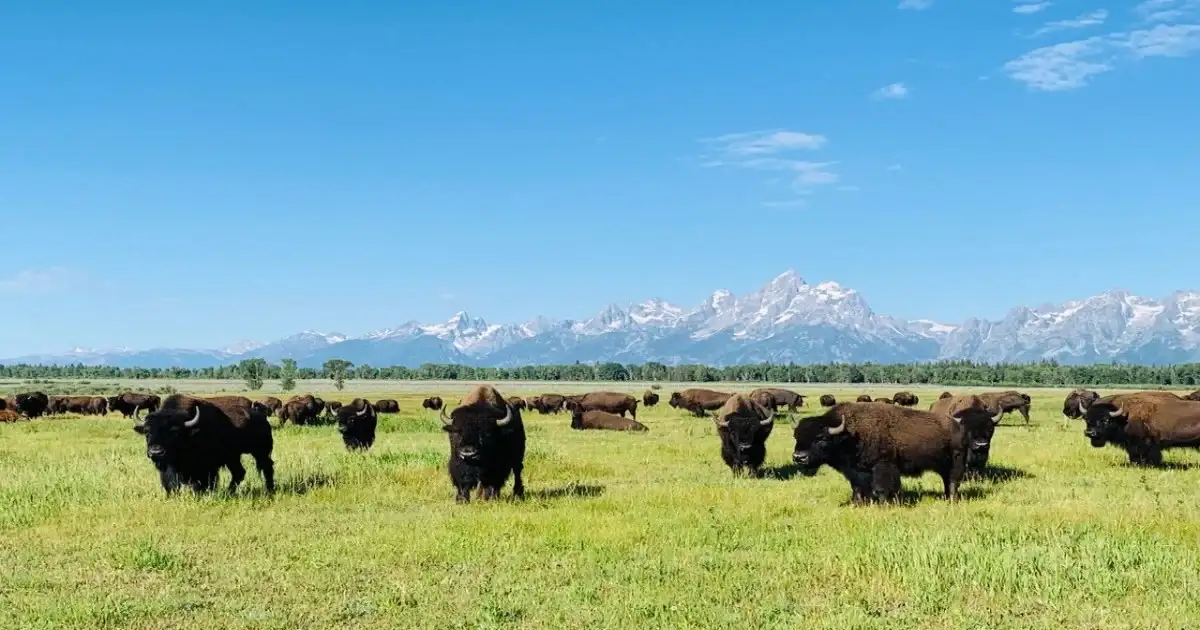
Grassland animals live in wide, open habitats where shelter can be limited. They must find food, water, and safe places while facing changing conditions.
Grassland wildlife also deals with seasonal food shortages, temperature changes, drought in some regions, fire, and predator pressure. These challenges have shaped many adaptations for life in grasslands.
Some animals rely on body structure, specialized feeding traits, speed, or camouflage. Others use burrows, water-saving strategies, herding, or other behaviors to improve survival.
Understanding these wildlife adaptations shows how animals respond to their surroundings. This article examines key examples of grassland animals and their adaptations, including physical traits and behaviors that support survival.
Why Grassland Animals Need Special Adaptations
Grasslands are open habitats where animals face constant environmental challenges. Unlike dense forests, these landscapes often provide fewer places to hide from danger.
Animals must survive changing seasons, limited water, strong sunlight, and predators. Therefore, many species have developed physical and behavioral adaptations that improve their chances of survival.
Life in Open Landscapes
Open grasslands offer wide visibility, but they also expose animals to predators. With few trees or dense cover, many species depend on the structure and conditions of grassland ecosystem food, shelter, and survival. Others rely on speed, camouflage, or underground shelter.
Prairie dogs, for example, use burrows for protection, while antelopes rely on quick movement across open terrain.
Seasonal Food and Water Availability
Grass growth changes throughout the year, especially during dry or cold seasons. Animals often adjust their feeding habits or travel to areas with better food and water.
Zebras and other grazing animals may move seasonally as grass becomes scarce. Different feeding strategies also reduce competition by allowing species to use different plants or feeding heights.
Heat, Cold, Fire, and Predators
Grassland conditions vary between regions, creating different survival pressures. Tropical grasslands often bring intense heat and seasonal drought, while temperate grasslands experience hot summers and cold winters.
Some grasslands also experience periodic fires, causing animals to escape or seek shelter underground. At the same time, predators create constant pressure that favors alertness, speed, and cooperative behavior.
What Animals Live in Grasslands?
Grasslands support a remarkable variety of wildlife, from massive grazing mammals to small burrowing rodents and ground-dwelling birds. These animals occupy different habitats within the same open landscape and use resources in different ways. Grassland wildlife includes species such as zebras, pronghorns, black-footed ferrets, bison, and emus, showing the wide range of animals associated with these habitats.
Five well-known grassland animals include the bison, zebra, antelope, prairie dog, and cheetah. However, grasslands also support many other mammals, birds, reptiles, insects, and scavengers that contribute to healthy wildlife communities.
Grazing and Browsing Herbivores
Herbivores form one of the largest animal groups in grasslands. Bison, zebras, wildebeest, antelopes, deer, and wild horses mainly feed on grasses, making them important grazing animals.
Grazers eat grasses close to the ground, while browsers feed mainly on leaves and shoots. Giraffes are well-known browsers because they reach vegetation above the level used by most grazers. This difference helps several herbivore species share the same grassland habitat.
Predators and Scavengers
Grassland predators hunt animals that feed across open landscapes. Lions, cheetahs, wolves, foxes, and other carnivores use sharp senses, speed, and stealth to locate suitable prey.
Scavengers also play an important role by feeding on animal remains. Hyenas and several bird species help remove carcasses, making them another important part of grassland wildlife communities.
Birds, Reptiles, and Smaller Animals
Grasslands are also home to many birds, reptiles, and smaller animals. Ostriches, burrowing owls, snakes, lizards, rodents, prairie dogs, and countless insects live among grasses and open ground.
These animals use different survival strategies. Some hide beneath the soil, others nest among grasses, and many depend on their surroundings for food and protection throughout the year.
Grassland Animals and Their Adaptations: Examples
Grassland animals have evolved a wide range of traits that help them find food, avoid danger, and cope with changing conditions. These traits differ with body size, diet, habitat, and lifestyle.
| Animal | Adaptions | How it Helps |
| Bison | Grazing teeth and digestive adaptations |
Helps it feed efficiently on grasses |
| Zebra | Striped coat and strong running ability |
Supports concealment and predator avoidance |
| Cheetah | Exceptional speed and agility |
Helps it pursue prey across open ground |
| Prairie Dogs | Burrowing behavior | Provides shelter from predators and harsh conditions |
| Giraffe | Long neck and specialized feeding |
Helps it reach vegetation above most grazers |
| Ostrich | Long legs and running ability |
Helps it escape predators across open terrain |
| Antelope | Speed, agility, and vigilance |
Helps it detect and evade predators |
| Elephant | Large body and varied diet |
Allows it to use many types of plant resources |
Feeding Adaptations
Food availability can change across grasslands, so animals use different feeding adaptations. Grazing animals often have teeth suited to cutting and grinding tough grasses.
Bison and zebras mainly graze close to the ground. Their digestive systems help them process large amounts of fibrous plant material.
Browsers use a different approach. Giraffes can reach leaves and shoots higher above the ground. Therefore, grazers and browsers can use different food resources within the same habitat.
Movement and Speed
Open terrain can make escape difficult when predators approach. As a result, speed, agility, and efficient movement are valuable survival traits.
Cheetahs use rapid acceleration when chasing prey. Antelopes and ostriches can cover open ground quickly when threatened.
Some grassland animals also travel over long distances. Seasonal movement helps them reach areas with better food or water when local resources become scarce.
Camouflage and Protective Appearance
Some animals use body color or patterns to reduce their visibility. Brown, tan, and gray shades can blend with dry grass, soil, and surrounding vegetation.
Zebras have a striking striped pattern that may make it harder for predators to single out one animal in a moving group. However, camouflage is not equally effective in every situation.
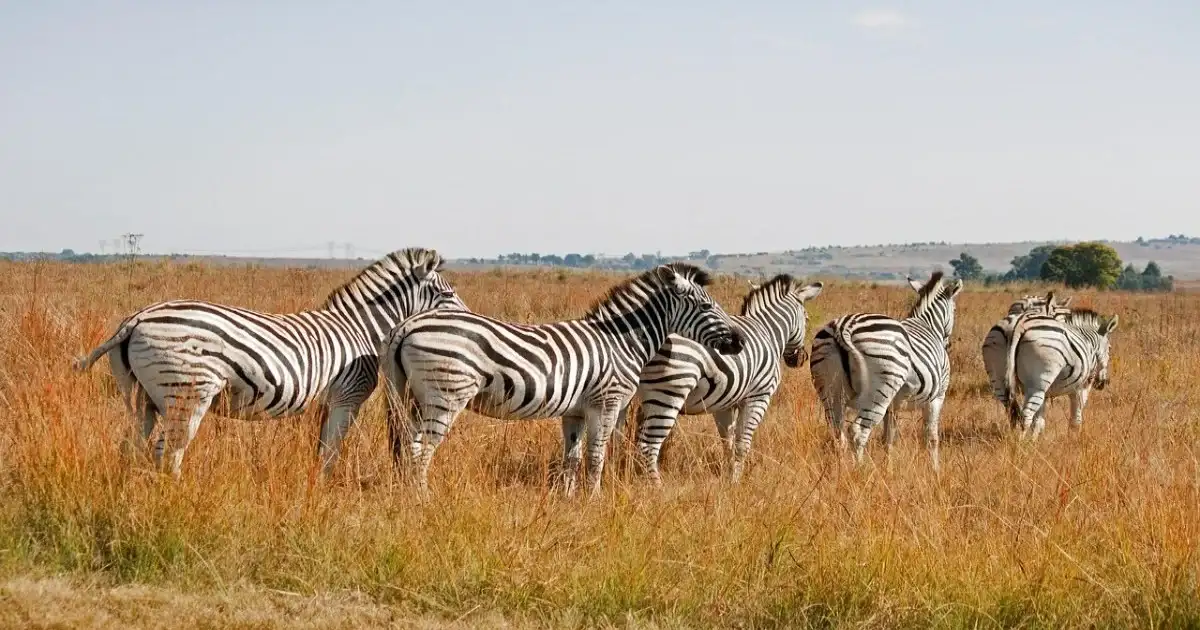
Its usefulness depends on factors such as distance, lighting, vegetation, and the predator’s vision. Therefore, protective appearance works best as one part of a wider survival strategy.
Shelter and Burrowing
Underground shelters provide important protection for many smaller grassland animals. Prairie dogs, for example, use burrow systems for safety and shelter.
A burrow can reduce exposure to extreme heat and cold. It can also provide protection from predators that hunt above ground.
In some regions, underground shelters may offer refuge during grassland fires. Therefore, burrowing can help animals cope with several environmental pressures at once.
Body Size and Physical Protection
Body size can affect how animals obtain food, defend themselves, and respond to predators. Large animals such as elephants and bison can use their strength and size to discourage some threats.
Horns, hooves, claws, and other physical structures can provide additional protection. Animals may also use these structures during defensive encounters.
However, large bodies require more food and water. Smaller animals often need fewer resources, but they may depend more on hiding, burrowing, or rapid escape.
Behavioral Adaptations
Behavioral adaptations help animals respond to threats and changing resources. Herding is common among many grassland mammals because groups can improve predator detection.
Several animals rely on constant vigilance. While some members feed, others may remain alert for approaching predators.
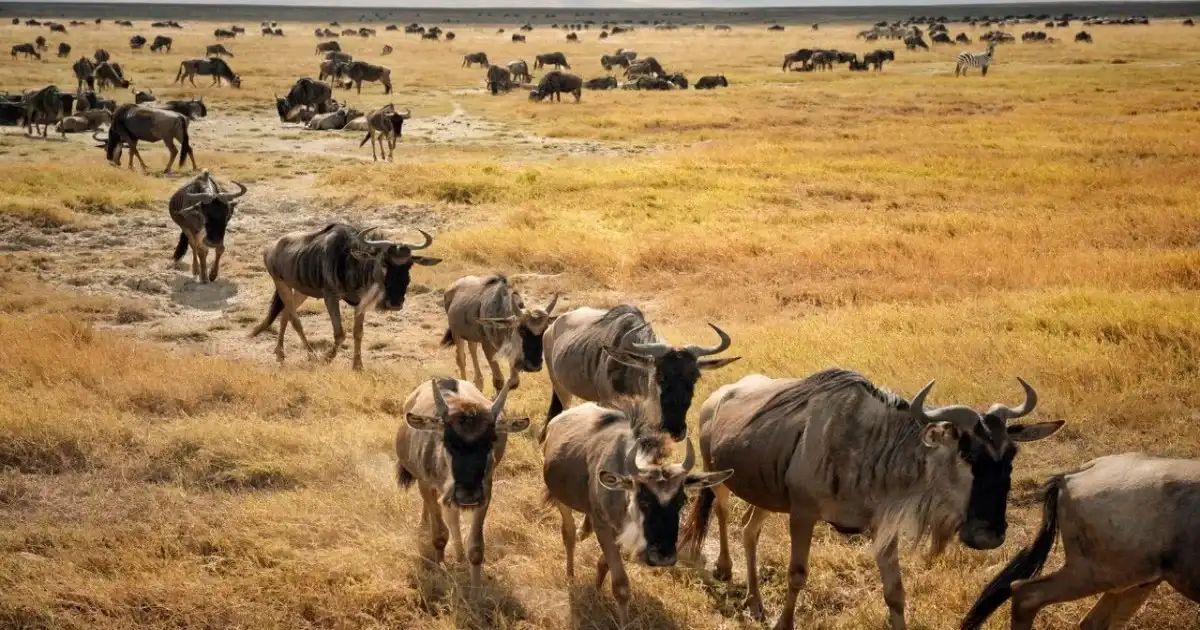
Animals can also change when and where they move. Some avoid intense heat by becoming more active during cooler periods. Others travel seasonally in search of food and water.
Cooperative defense and coordinated movement can provide additional protection. Therefore, behavior works alongside physical adaptations to improve survival in challenging grassland habitats.
Survival Traits That Help Grassland Animals Thrive
Grassland animals face changing food supplies, water availability, temperatures, and predator pressure. Their survival depends on traits that help them use resources and respond to these challenges. These physical and behavioral traits are part of adaptation and survival.
Adaptations for Finding and Conserving Water
Water can become scarce during dry seasons in some grasslands. Animals may travel to water sources or move seasonally when local supplies decline.
Some species change their activity patterns to reduce water loss. They may become more active during cooler periods. Certain animals also have physiological traits that help conserve water when supplies are limited.
Adaptations for Avoiding Predators
Predator pressure strongly influences how grassland animals behave. Speed gives animals such as antelopes and ostriches a way to escape across open ground.
Camouflage can reduce visibility, while sharp senses help detect danger early. Group living also improves vigilance because several animals can watch for predators. Alarm calls and defensive formations can warn or protect other members of the group.
Adaptations for Temperature and Exposure
Grassland animals often face strong sunlight and changing temperatures. Some species become more active during cooler parts of the day to limit heat stress.
Body size, fur, feathers, and other structures can affect how animals gain or lose heat. Animals may also seek shade, shelter, or cooler ground. Seasonal changes in behavior can further help them cope with temperature extremes.
Adaptations to Fire and Disturbance
Fire affects some grasslands periodically, so animals may respond by moving away from burning areas. Burrowing species can use underground refuges when conditions become dangerous.
After a disturbance, animals may return as vegetation and shelter recover. Therefore, movement, refuge use, and recolonization can support survival without requiring a specific fire adaptation.
Social Behavior as a Survival Strategy
Social behavior gives many grassland animals an added layer of protection. Herds can increase group vigilance and make it harder for predators to isolate one individual.
Animals may also coordinate movement or defend young members of the group. However, living in groups can increase competition for food and attract attention from predators. Therefore, social behavior offers important benefits but also creates certain costs.
How Adaptations Differ Among Grassland Animals
Grassland animals do not survive in the same way. Their adaptations depend on diet, body size, climate, predators, and habitat conditions. A grazing bison needs different traits from a hunting cheetah. Likewise, a burrowing prairie dog faces different challenges from a large elephant.
Herbivores vs. Predators
Herbivores need adaptations that help them find, eat, and digest plant food. Bison graze efficiently on grasses, while giraffes reach vegetation high above the ground.
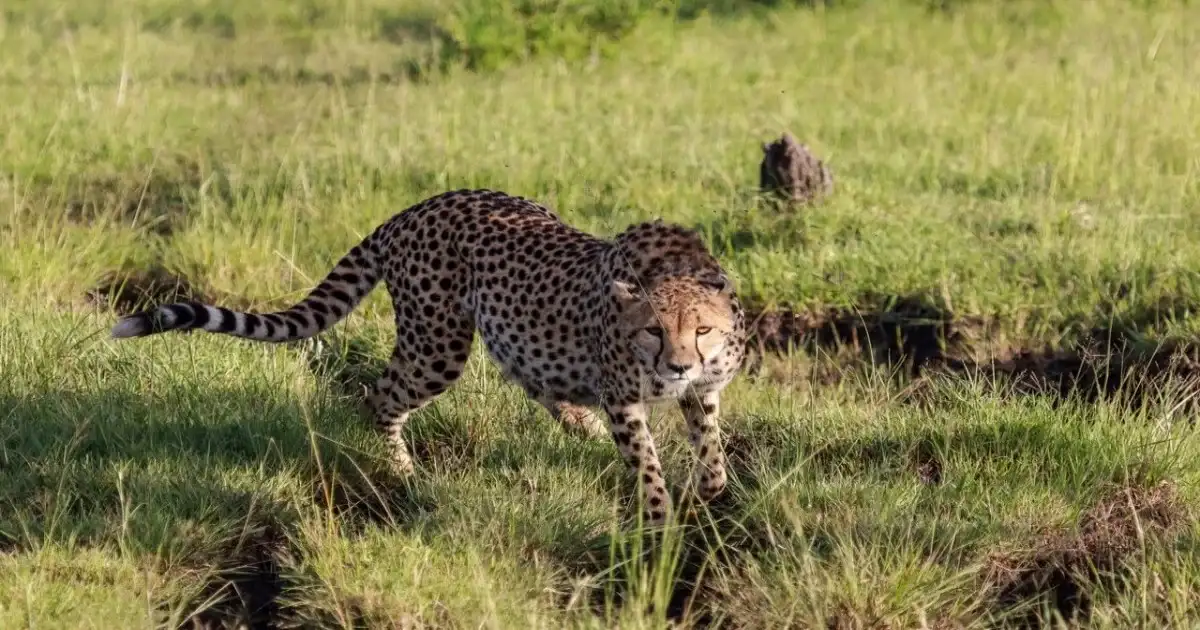
Predators face different demands. Cheetahs rely on speed and agility, while lions use strength, coordination, and hunting behavior to catch prey.
Large Animals vs. Small Animals
Body size influences how animals handle grassland challenges. Large animals can use strength, endurance, herd behavior, and long-distance movement. Smaller animals often depend on burrows, concealment, agility, or rapid escape. Some also reproduce quickly, helping populations recover from losses.
Tropical vs. Temperate Grasslands
Adaptation pressures also differ between grassland regions. Tropical grasslands often experience intense heat, seasonal rainfall, dry periods, and water shortages. Animals living in tropical savannas with distinct wet and dry seasons may therefore develop different strategies from animals in temperate grasslands.
Temperate grasslands usually experience greater temperature changes, including cold winters and hot summers. These differences influence how animals manage food, water, temperature, and seasonal conditions.
Frequently Asked Questions About Grassland Animal Adaptations
Grassland animals use different physical and behavioral traits to handle changing food supplies, temperatures, predators, water availability, and other challenges. Their adaptations can also change with seasons and local conditions.
How Do Grassland Animals Adapt to Seasonal Changes?
Animals may change their activity, feeding patterns, or movement as seasons change. Some move seasonally toward areas with better food and water sources, while others become active during cooler periods.
How Do Grassland Animals Survive Without Much Shelter?
Many rely on speed, camouflage, alertness, or group living. Smaller animals may use burrows, while larger animals often depend on early danger detection and rapid movement.
How Do Grassland Animals Adapt to Wildfires?
Animals may move away from burning areas or seek refuge underground. Burrowing species can gain protection below the surface, while other animals return after vegetation begins to recover.
Are Grassland Animal Adaptations the Same Throughout the Year?
Not always. Some animals change their behavior with seasonal conditions. They may alter activity times, feeding areas, movement patterns, or shelter use as temperatures and resources change.
Can the Same Adaptation Help Different Grassland Animals?
Yes. The same adaptation can serve different purposes. Cheetahs use speed to catch prey, while antelopes use it to escape predators. Burrowing can provide both shelter and protection.
Conclusion
Grasslands support diverse wildlife, and each species has its own way of coping with life in open habitats. Animals survive through combinations of physical and behavioral adaptations rather than one universal trait.
Feeding adaptations help animals obtain and process food. Speed, camouflage, and shelter can reduce predator risks. Water use and temperature regulation help animals handle environmental stress. Social behavior can also improve protection and vigilance.
These strategies vary between species because their needs and surroundings differ. A bison, cheetah, prairie dog, and giraffe each solve different survival challenges. Together, their adaptations allow grassland wildlife to persist across changing conditions and diverse environments.