
Grassland Degradation: Causes, Effects, and Prevention
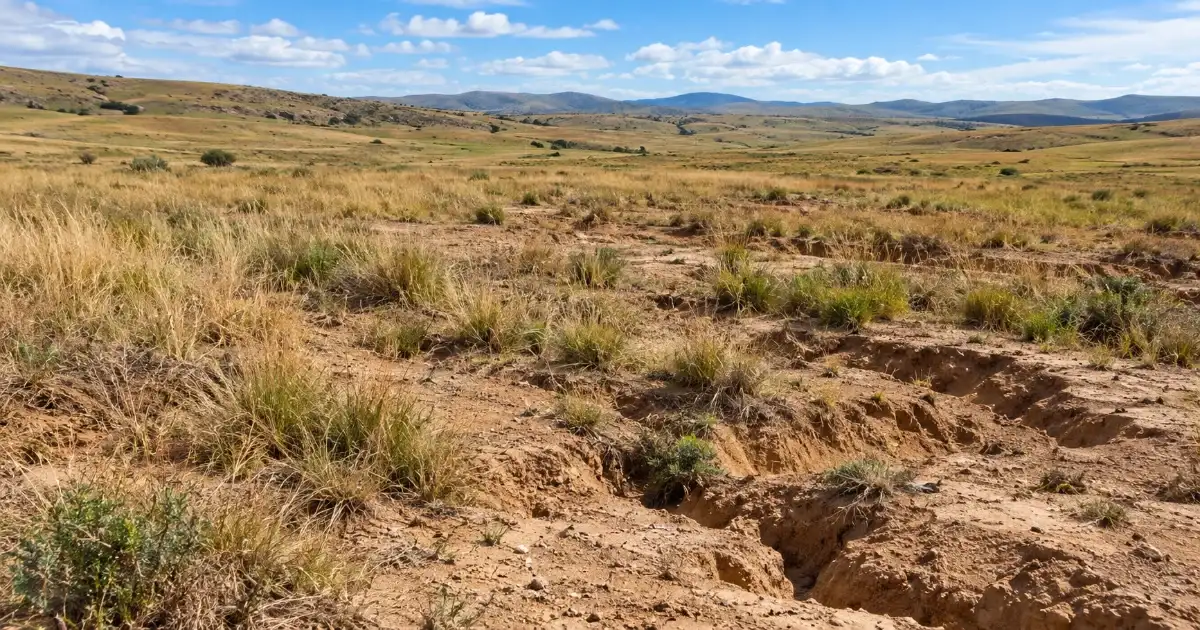
Grassland degradation occurs when grasslands lose vegetation, soil quality, biodiversity, or the ability to support healthy ecological processes. These changes can reduce plant growth, wildlife habitat, and the benefits people receive from grasslands.
Overgrazing, land conversion, unsustainable management, drought, and climate change can all contribute to degradation. Often, several pressures act together, making damage more severe and recovery more difficult.
However, degradation does not always mean permanent loss. Protecting native vegetation, managing grazing carefully, and restoring damaged areas can help grasslands recover. The right approach depends on the causes and severity of the damage.
What Is Grassland Degradation?
Grassland degradation is the decline of a grassland’s condition, productivity, and ability to recover from pressure. It can affect vegetation, wildlife habitat, soil functions, and other ecological processes.
What Happens When a Grassland Becomes Degraded?
A degraded grassland may have less vegetation cover and lower plant productivity. Desirable native species can decline as conditions become less suitable for their growth.
Continued degradation can also weaken soil functions and reduce the land’s ability to recover after drought, grazing, or other disturbances.
Grassland Degradation vs. Natural Seasonal Change
Grasslands naturally change with rainfall, temperature, grazing, and seasonal cycles. For example, vegetation may become dry and less dense during a normal dry season.
Such seasonal changes do not automatically indicate degradation. Degradation involves a persistent decline in grassland condition, productivity, or recovery capacity.
A healthy grassland can recover when favorable conditions return. A degraded grassland may struggle to recover, especially when repeated pressures continue over time.
Grassland condition depends on interactions among vegetation, wildlife, soil, and the physical environment. These relationships help the grassland ecosystem function and respond to environmental pressures.
What Causes Grassland Degradation?
Grassland degradation rarely results from one pressure alone. Several environmental and human pressures can act together, making recovery harder over time.
Overgrazing and Poorly Managed Grazing
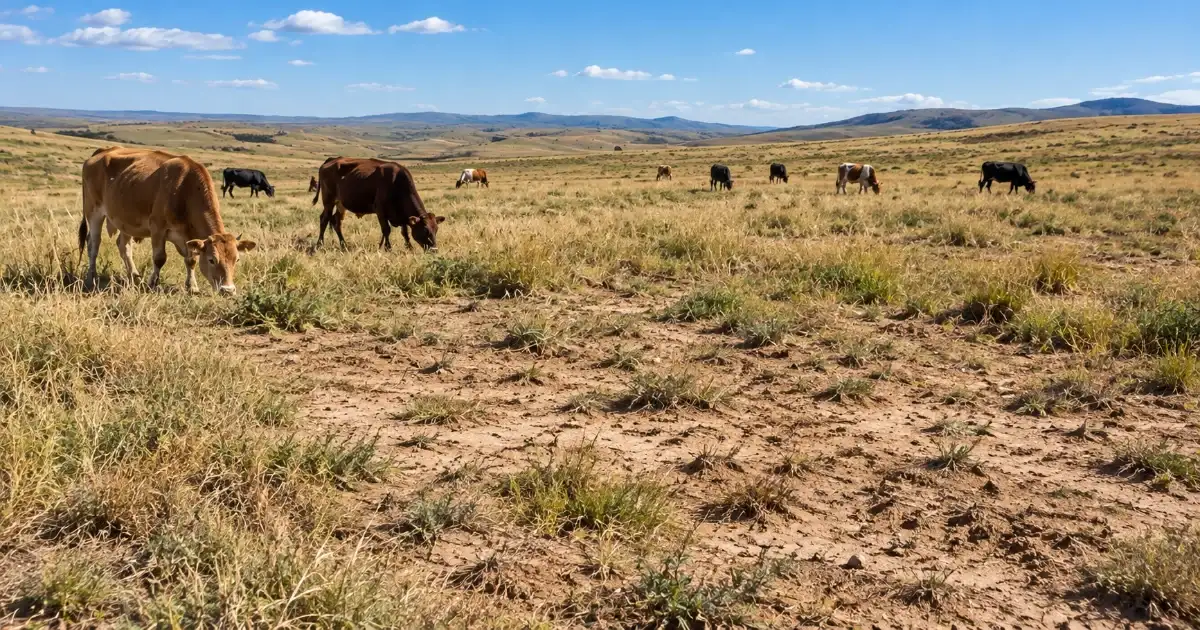
Grazing is a natural part of many grassland systems, but excessive grazing can damage vegetation. Problems arise when livestock consume plants faster than they can recover.
Continuous grazing can reduce plant cover and weaken root systems. Trampling can also disturb the ground and leave more exposed areas.
Grazing during drought or other vulnerable periods can increase these effects. Therefore, grazing intensity, timing, livestock numbers, and recovery periods all matter.
Land Conversion and Habitat Fragmentation
Grasslands may be converted into cropland, settlements, roads, and other developed areas. This directly removes vegetation and reduces the amount of natural grassland habitat.
Conversion can also divide remaining grasslands into smaller patches. Such fragmentation can disrupt wildlife movement and make natural recovery more difficult.
Protecting remaining grasslands can limit further habitat loss and preserve connections between areas used by wildlife.
Unsustainable Land Management
Poor land management can damage grassland vegetation and soil. Examples include inappropriate cultivation, repeated soil disturbance, and practices that leave the ground exposed.
These activities can accelerate erosion, remove fertile topsoil, and reduce long-term land productivity. Sustainable management should reflect local soil conditions, vegetation, and climate.
Drought and Climate Change
Drought can reduce plant growth by limiting available water. Prolonged dry periods can make grasslands more vulnerable to grazing and other pressures.
Climate change can add further stress through rising temperatures, changing rainfall patterns, and more frequent climate extremes. These effects vary between regions.
A study of grasslands in Inner Mongolia found that climatic variation had a stronger negative effect on ecosystem services than land-use change during the study period. The findings show that climate variation and land-use change can affect grassland ecosystems in different ways, although their relative effects vary between regions.
H3 Invasive Species and Other Pressures
Invasive plants can compete with native vegetation and alter grassland communities. In some regions, woody plants can also spread into open grasslands when environmental conditions or management practices change.
Fire can create additional pressure when its frequency, intensity, or timing no longer matches local ecological conditions. Infrastructure development can further disturb or fragment grassland habitat.
These pressures can interact with grazing, drought, and land conversion. Their effects depend on local conditions, so management should address the main pressures affecting each grassland.
What Are the Effects of Grassland Degradation?
Grassland degradation affects vegetation, soil, biodiversity, and the benefits people receive from these landscapes. Its effects often become more severe when damaging pressures continue over time.
Loss of Vegetation and Plant Productivity
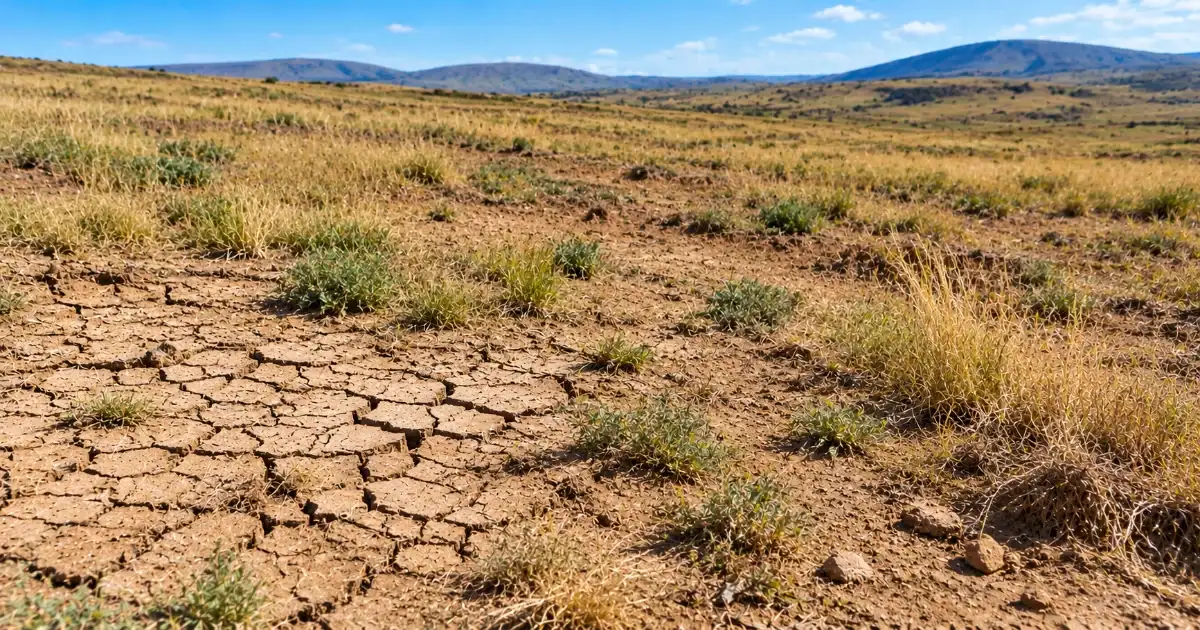
As grassland degradation progresses, vegetation cover may decline and plant growth may slow. This leaves less plant material available for grazing wildlife and livestock.
Plant composition can also change. Some native species may decline, while invasive or less suitable species become more common. These changes can reduce forage production and alter the ecological functions grasslands support.
Soil Erosion and Declining Soil Function
Vegetation protects grassland soil from wind and heavy rainfall. When plant cover declines, more soil becomes exposed to erosion. Rainwater can carry away loose particles, while strong winds may remove dry topsoil.
Erosion can also remove organic matter and nutrients that support plant growth. Furthermore, reduced vegetation may increase surface runoff and limit water infiltration. These changes can weaken soil fertility and make grassland recovery more difficult.
Research on degraded meadow-steppe grasslands found declines in soil organic carbon and several nutrients as degradation became more severe. It also recorded changes in soil microbial communities and enzyme activity. These findings show how degradation can affect soil properties and the microorganisms that support nutrient cycling.
Soil condition influences grassland productivity and recovery. Changes in grassland soil health and fertility, can affect the land’s ability to support plant growth and maintain ecological functions.
Biodiversity and Habitat Loss
Degradation can reduce the variety and abundance of native grassland species. As vegetation changes, some animals may lose food sources, shelter, or suitable breeding areas.
Habitat fragmentation creates additional problems by separating grassland populations. This can restrict movement and reduce opportunities for species to interact. Over time, these changes may weaken biodiversity and disrupt ecological relationships.
Reduced Ecosystem Functions and Human Benefits
Healthy grasslands help store carbon, regulate water movement, protect soil, and support livestock production. Degradation can weaken these functions and reduce the benefits that grasslands provide.
Lower forage production may affect livestock owners and communities that depend on grazing. Soil erosion can also reduce land productivity, while declining vegetation may weaken the landscape’s ability to withstand drought.
These changes can affect both ecosystem stability and the communities that depend on grasslands for grazing and other benefits.
How Can Grassland Degradation Be Prevented?
Preventing grassland degradation requires practices that protect vegetation, maintain soil stability, and allow natural recovery. Effective methods depend on local climate, land use, and the condition of the grassland.
Sustainable Grazing Management
Sustainable grazing keeps livestock pressure within the grassland’s capacity to recover. Land managers can adjust stocking rates according to forage availability and seasonal conditions.
Rotational grazing or planned resting periods may help vegetation recover where suitable. Well-planned grazing and land management can also help protect vegetation and maintain soil health. However, no single grazing system works everywhere. Managers should monitor plant cover, livestock pressure, and rainfall before changing grazing practices.
Protecting Vegetation and Soil
Maintaining vegetation cover helps reduce erosion and protects the soil surface. Land managers can limit unnecessary disturbance and use suitable soil and water conservation measures.
Protecting native vegetation also supports habitat quality and natural regeneration. These steps can improve grassland resilience and reduce the risk of further degradation.
Preventing Conversion and Fragmentation
Protecting intact grasslands helps prevent the permanent loss of native habitat. Land-use planning can identify areas that need conservation and reduce unnecessary conversion.
Maintaining connections between grassland patches also supports wildlife movement.
Managing Invasive Species, Fire, and Other Pressures
Invasive species may require targeted control to prevent their spread. Fire management should reflect local vegetation, climate, and natural fire patterns.
Infrastructure projects should also consider their effects on grassland habitat. Management plans need to address the specific pressures affecting each site rather than apply the same measures everywhere.
Monitoring Grassland Condition
Regular monitoring helps identify early signs of degradation. Useful indicators include vegetation cover, bare ground, soil erosion, plant composition, and forage production.
Comparing these indicators over time helps managers identify early warning signs. They can then adjust grazing, conservation, or land-use practices before damage becomes more severe.
How Can Degraded Grasslands Be Restored?
Restoring degraded grasslands begins with identifying the damage and choosing suitable recovery methods. The right approach depends on local conditions and how much the ecosystem has changed.
Assess the Cause and Severity of Degradation
Restoration planning begins by identifying the cause and severity of degradation and checking whether damaging pressures continue. An ecological assessment can examine vegetation cover, soil condition, native species, and erosion. This baseline helps managers choose suitable recovery methods.
Support Natural Recovery
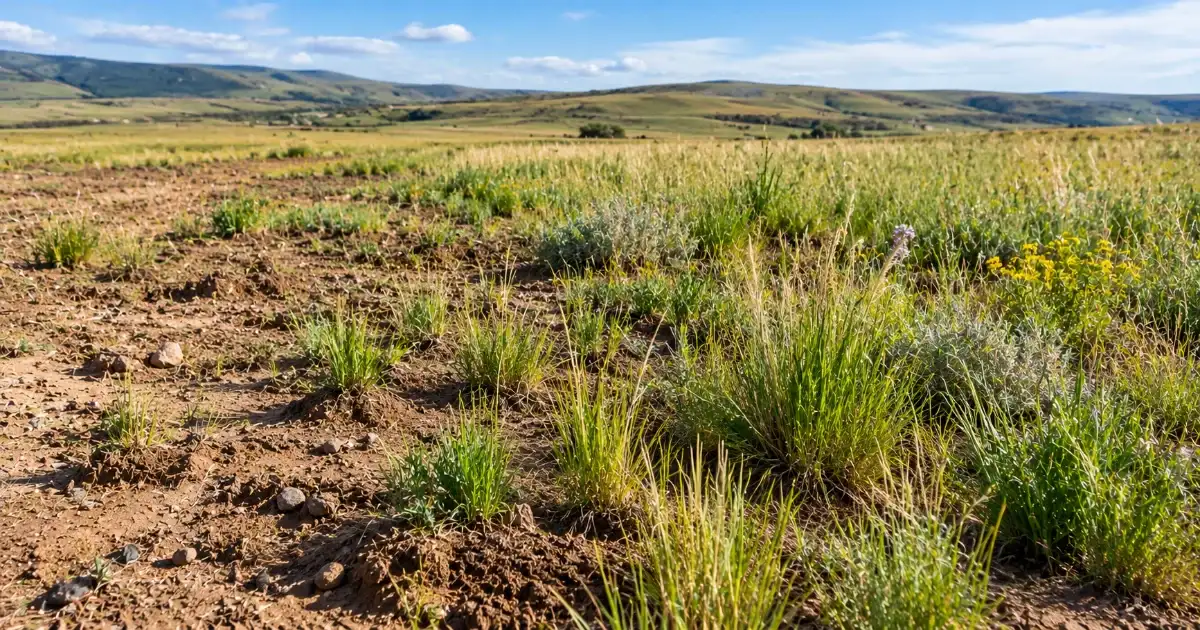
Some grasslands can recover when damaging pressures decrease. Reducing excessive grazing, limiting disturbance, and protecting remaining native plants can support natural regeneration.
This approach, often called passive restoration, allows vegetation and ecological processes to recover with limited intervention. However, recovery may remain slow when soil damage is severe or native plants are missing.
Active Restoration Where Necessary
Severely degraded sites may need active restoration. Suitable measures include restoring native vegetation, controlling erosion, improving soil conditions, and managing invasive species. Grazing regimes may also need adjustment to support recovery.
Research on temperate grassland restoration shows that restoration methods can affect native plant diversity. The approach should reflect local species, soil conditions, and ecological needs rather than simply adding more grass.
Monitor Recovery Over Time
Restoration requires regular monitoring to measure progress. Useful indicators include vegetation cover, soil stability, native species composition, and ecosystem function.
A greener appearance alone does not prove that an ecosystem has recovered. Monitoring helps managers identify problems and adjust their methods when recovery falls short.
Grassland Degradation and Desertification: Are They the Same?
Grassland degradation and desertification are related, but they do not mean the same thing. Grassland degradation refers to a decline in vegetation, productivity, soil condition, or ecological function.
Desertification involves land degradation in drylands, where climatic variations and human activities can damage land over time. Grassland degradation does not always lead to desertification. However, severe degradation in dry regions can contribute to this process.
In dry grasslands, prolonged drought combined with excessive grazing can reduce plant cover and expose soil to erosion. Recognizing these local pressures helps managers choose suitable prevention and restoration measures.
Conclusion
Grassland degradation can reduce vegetation, damage soil, weaken biodiversity, and affect the people who depend on these landscapes. Overgrazing, land conversion, unsustainable management, and climate stress can combine to make these effects more severe.
Preventing further damage requires sustainable grazing, protection of native habitats, and regular monitoring. Where degradation has already occurred, natural recovery or targeted restoration may help rebuild vegetation and ecological function. The best approach depends on local conditions and the severity of the damage.