
Grassland Ecosystem Components: Biotic and Abiotic Factors
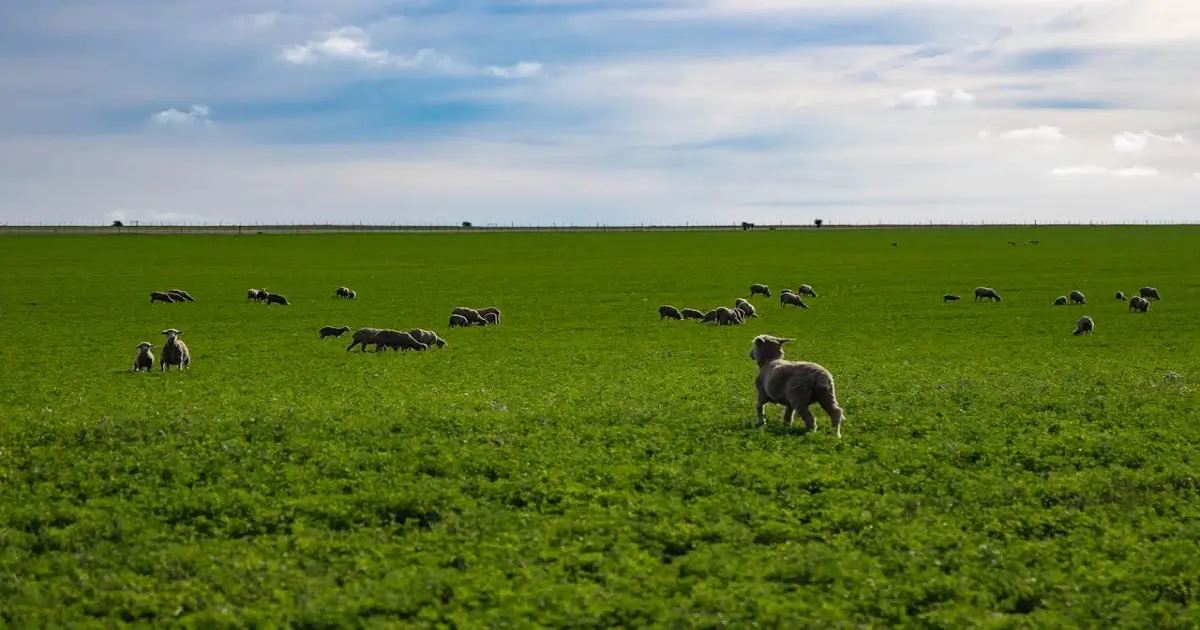
Grassland ecosystems remain balanced through constant interaction between living organisms and environmental conditions. Grassland ecosystem components mainly include biotic and abiotic factors that support energy movement, nutrient recycling, and habitat stability.
Plants, animals, soil, sunlight, rainfall, and microorganisms continuously depend on one another for survival.
Biotic components such as grasses, herbivores, predators, and decomposers help maintain ecological processes within grasslands. At the same time, abiotic factors including temperature, soil moisture, sunlight, and wind affect plant growth and animal activity. Therefore, even small environmental changes can influence the entire ecosystem.
These ecological relationships support biodiversity and help maintain stable grassland habitats. Understanding these ecosystem components also helps explain how grasslands function under changing environmental conditions.
Components of a Grassland Ecosystem
Grassland ecosystems function through continuous interaction between living organisms and environmental conditions These ecosystem components support energy flow, nutrient movement, and stable ecological processes. Therefore, changes in one factor often affect the entire ecosystem.
The components of a grassland ecosystem are mainly divided into biotic and abiotic factors. Biotic components include plants, animals, insects, fungi, and microorganisms. Abiotic factors include sunlight, soil, rainfall, wind, temperature, and moisture.
Plants depend on sunlight, water, and soil nutrients for growth. Herbivores rely on grasses for food, while predators depend on herbivores for energy. Besides this, decomposers return nutrients to the soil after breaking down dead organic matter.
Together, these interactions help maintain the structure and balance of grassland ecosystems under changing environmental conditions.
Biotic Components of Grassland Ecosystem
Biotic components include all living organisms that interact within grassland ecosystems. These living organisms help transfer energy, recycle nutrients, and support ecosystem functioning. Each organism contributes to ecosystem stability through feeding and nutrient interactions.
Grassland biotic components mainly include producers, consumers, and decomposers. These groups remain closely connected through feeding relationships and nutrient movement. Therefore, disruption in one group can influence many other ecological processes.
Producers in Grasslands
Producers form the foundation of grassland ecosystems because they prepare food through photosynthesis. Grasses, herbs, and small plants capture sunlight and convert it into chemical energy. This stored energy later moves through different trophic levels.
Deep root systems help grasses absorb water and nutrients from the soil. In addition, these roots reduce soil erosion and improve soil stability. Many grassland plants also recover quickly after grazing and seasonal droughts.
Producers support herbivores directly and influence the overall productivity of grassland habitats. Therefore, healthy plant growth remains essential for maintaining ecological balance and energy flow.
Consumers and Grazing Relationships
Consumers depend directly or indirectly on producers for survival. Herbivores feed on grasses and transfer plant energy to higher trophic levels. Predators then regulate herbivore populations and help maintain ecological stability.
Grazing relationships strongly influence vegetation structure in grasslands. Moderate grazing often supports fresh plant growth and nutrient movement within the soil. However, excessive grazing may reduce vegetation cover and disturb ecological balance.
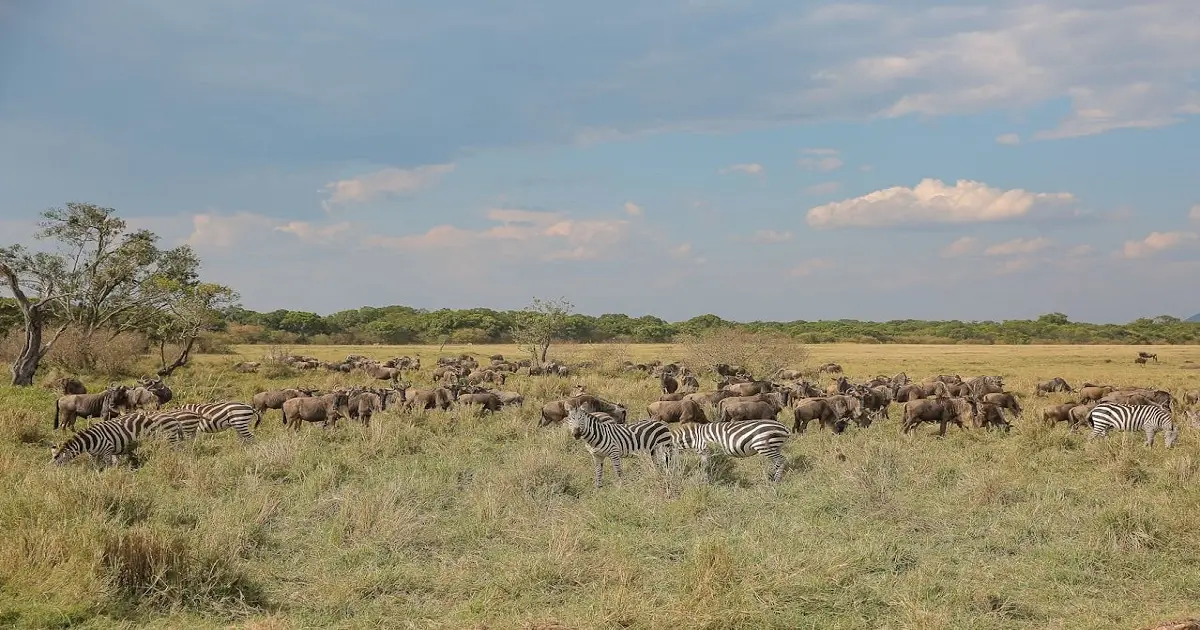
Energy moves continuously through these feeding interactions. Similar trophic relationships can also be understood through food chain in ecosystems.
Balanced grazing and predator-prey relationships help regulate grassland populations. These interactions also support long-term ecosystem balance within natural habitats
Decomposers and Nutrient Recycling
Decomposers break down dead plants, animal remains, and organic waste into simpler substances. Bacteria, fungi, insects, and worms play an important role in this recycling process. As decomposition occurs, nutrients return to the soil and support new plant growth.
Nutrient recycling helps maintain fertile soil and ecosystem productivity. Besides this, decomposers reduce waste accumulation and improve soil structure over time. Healthy decomposition also supports continuous nutrient availability within grassland ecosystems.
Without decomposers, dead organic matter would accumulate rapidly across grasslands. Therefore, decomposers play an essential role in sustaining soil fertility and ecosystem stability.
Interaction Between Biotic and Abiotic Factors
Grassland ecosystems remain stable because living organisms constantly interact with environmental conditions. Biotic and abiotic factors influence plant growth, animal survival, nutrient movement, and ecological balance. Therefore, changes in climate, soil, or vegetation can affect the entire ecosystem.
Plants depend on sunlight, rainfall, and soil nutrients for growth. Herbivores rely on grasses for energy, while predators depend on herbivores for food. Besides this, decomposers recycle nutrients and help maintain fertile soil conditions.
These interactions support biodiversity and help grasslands respond to changing environmental conditions. Furthermore, balanced relationships between organisms and physical conditions maintain long-term ecosystem productivity.
Energy Flow and Ecological Balance
Energy flow begins when grasses capture sunlight through photosynthesis. Herbivores then consume plants and transfer energy to higher trophic levels. Predators later obtain energy by feeding on herbivores within the ecosystem.
Only a small amount of energy moves from one trophic level to another. Most energy is lost as heat during biological activities. Therefore, healthy producer populations remain important for sustaining grassland food systems.
Ecological balance depends on stable relationships between plants, animals, soil, and climate conditions. When one factor changes rapidly, the entire ecosystem may become unstable. Stable energy transfer helps support biodiversity and ecosystem functioning.
Adaptation of Grassland Organisms
Grassland organisms show many adaptations that help them survive changing environmental conditions. Deep grass roots absorb underground moisture during dry periods. Many grasses also regrow quickly after grazing or seasonal fires.
Herbivores often migrate in search of food and water during drought conditions. Some animals remain active at cooler times of the day to avoid extreme heat. Besides this, burrowing animals protect themselves from predators and harsh temperatures underground.
Predators also adapt to open landscapes through speed, camouflage, and strong hunting abilities. These adaptations improve survival and support ecological balance within grassland habitats.
Nutrient Cycling in Grasslands
Nutrient cycling allows grassland ecosystems to reuse minerals and organic matter continuously. Dead plants and animal remains decompose and release nutrients back into the soil. These nutrients later support plant growth and ecosystem productivity.
Bacteria, fungi, insects, and worms play an important role in this process. Their activity improves soil fertility and supports healthy vegetation growth. Interactions between soil organisms, plants, and grazing animals also influence nutrient movement within grassland ecosystems.
Similar ecological relationships can also be understood through biotic and abiotic factors in ecosystems.
Continuous nutrient cycling supports plants, animals, and decomposers throughout the ecosystem. Furthermore, fertile soil helps grasslands recover more effectively after droughts and environmental stress.
Role of Grazing and Fire
Grazing and natural fires strongly influence grassland structure and vegetation growth. Moderate grazing often promotes fresh grass growth and prevents excessive plant accumulation. However, overgrazing can damage vegetation and reduce soil stability.
Natural fires also help maintain open grassland landscapes by limiting tree growth. After fires, nutrient-rich ash improves soil conditions and supports new vegetation growth. Many grassland plants adapt well to periodic fires and recover quickly afterward.
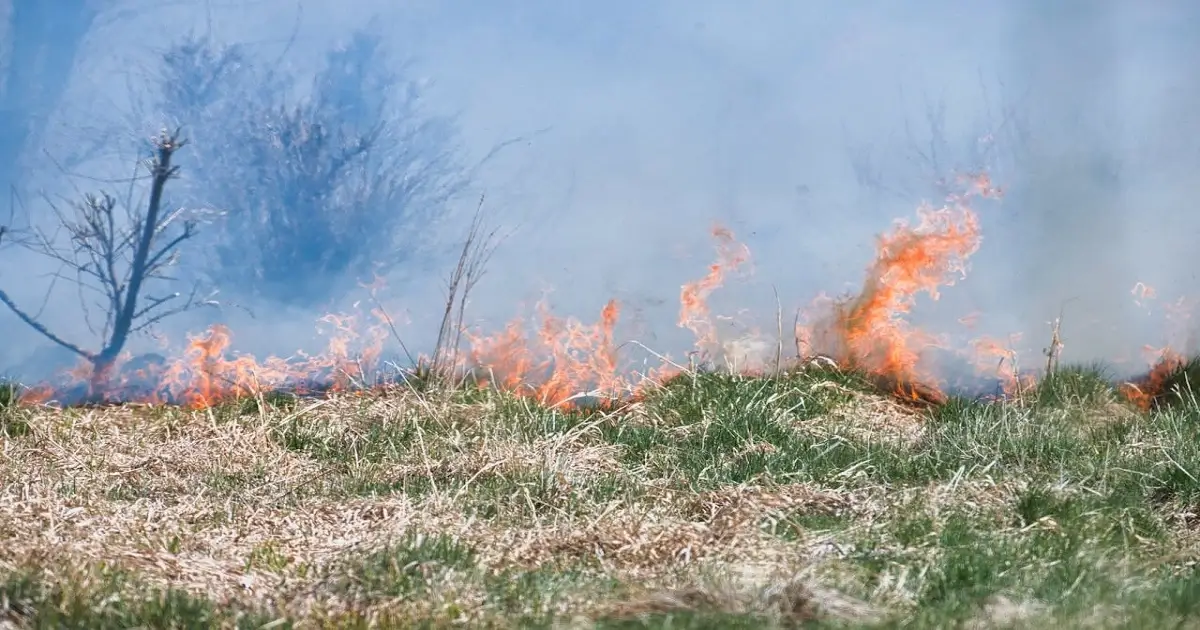
Together, grazing and periodic fires help maintain vegetation balance and biodiversity within grasslands
Examples of Biotic and Abiotic Interactions in Grasslands
Grassland ecosystems provide many examples of interaction between living organisms and environmental conditions. These interactions influence ecosystem productivity and population balance within grasslands. Therefore, even small environmental changes can affect plant and animal populations.
Rainfall strongly affects grass growth in many grassland habitats. During wet seasons, grasses grow rapidly and support larger herbivore populations. However, drought conditions reduce vegetation cover and limit food availability for grazing animals.
Natural fires also influence grassland ecosystems in several ways. Fires remove old vegetation and return nutrients to the soil surface. As a result, fresh grasses often grow quickly after seasonal burning.
Predators help regulate herbivore populations within grassland food systems. Balanced predator-prey relationships prevent excessive grazing and support vegetation recovery. Besides this, controlled grazing can improve nutrient movement and maintain healthy grassland conditions.
These interactions show how biotic and abiotic factors remain closely connected within grassland ecosystems. Furthermore, balanced ecological relationships help grasslands remain productive under changing environmental conditions.
Why Ecosystem Components Are Important in Grasslands
Grassland ecosystems depend on balanced interaction between biotic and abiotic components. Plants, animals, soil, sunlight, water, and microorganisms together support ecological stability within these habitats. Therefore, disturbance in one component can affect the entire ecosystem.
Healthy grassland vegetation protects soil from erosion caused by wind and water. Deep grass roots also improve soil structure and help retain moisture underground. Besides this, decomposers continuously recycle nutrients and maintain soil fertility.
Biotic components such as producers, consumers, and decomposers support energy movement across trophic levels. These ecological relationships help support stable populations and healthy grassland habitats. Predators regulate herbivore populations, while grasses provide food and shelter for many organisms.
Abiotic factors including rainfall, temperature, and sunlight also influence ecosystem productivity. Suitable environmental conditions support plant growth, nutrient cycling, and wildlife activity. Furthermore, stable ecological interactions help grasslands recover from droughts, grazing pressure, and seasonal fires.
Together, these ecosystem components maintain biodiversity, ecological productivity, and long-term environmental balance in grassland habitats.
FAQs About Grassland Ecosystem Components
Grassland ecosystems often raise questions about living organisms, environmental conditions, and ecological interactions. These frequently asked questions explain how biotic and abiotic components help maintain balance and productivity within grassland habitats.
What are the components of grassland ecosystem?
The components of a grassland ecosystem include biotic and abiotic factors. Biotic components consist of living organisms such as plants, animals, fungi, and microorganisms. Abiotic factors include sunlight, soil, rainfall, temperature, wind, and moisture.
What are biotic factors in grasslands?
Biotic factors are the living components found within grassland ecosystems. These include producers, consumers, and decomposers that help transfer energy and recycle nutrients throughout the ecosystem.
What are abiotic factors in grasslands?
Abiotic factors are the non-living environmental conditions that influence grassland ecosystems. Important abiotic factors include sunlight, soil nutrients, rainfall, temperature, humidity, and wind patterns.
How do biotic and abiotic factors interact?
Biotic and abiotic factors interact continuously within grassland ecosystems. Plants depend on sunlight, water, and soil nutrients for growth. Animals rely on plants for food, while decomposers return nutrients back to the soil.
Why are decomposers important in grasslands?
Decomposers break down dead plants and animal remains into simpler substances. This process returns nutrients to the soil and supports healthy plant growth. Therefore, decomposers help maintain soil fertility and ecosystem stability.
Conclusion
Grassland ecosystems function through continuous interaction between biotic and abiotic components. Plants, animals, decomposers, soil, sunlight, and rainfall together maintain ecological balance within these habitats. Therefore, healthy relationships between living organisms and environmental conditions support long-term ecosystem stability.
Energy flow, nutrient cycling, grazing activity, and environmental factors all influence grassland productivity. In addition, balanced interactions help maintain biodiversity and support healthy soil conditions across natural grassland ecosystems.
Understanding these ecosystem components also explains how grasslands remain stable under changing environmental conditions. Furthermore, these relationships show how interconnected processes help grasslands remain stable over time.