
Tropical Grassland (Savanna): Climate, Vegetation, Wildlife, and Location
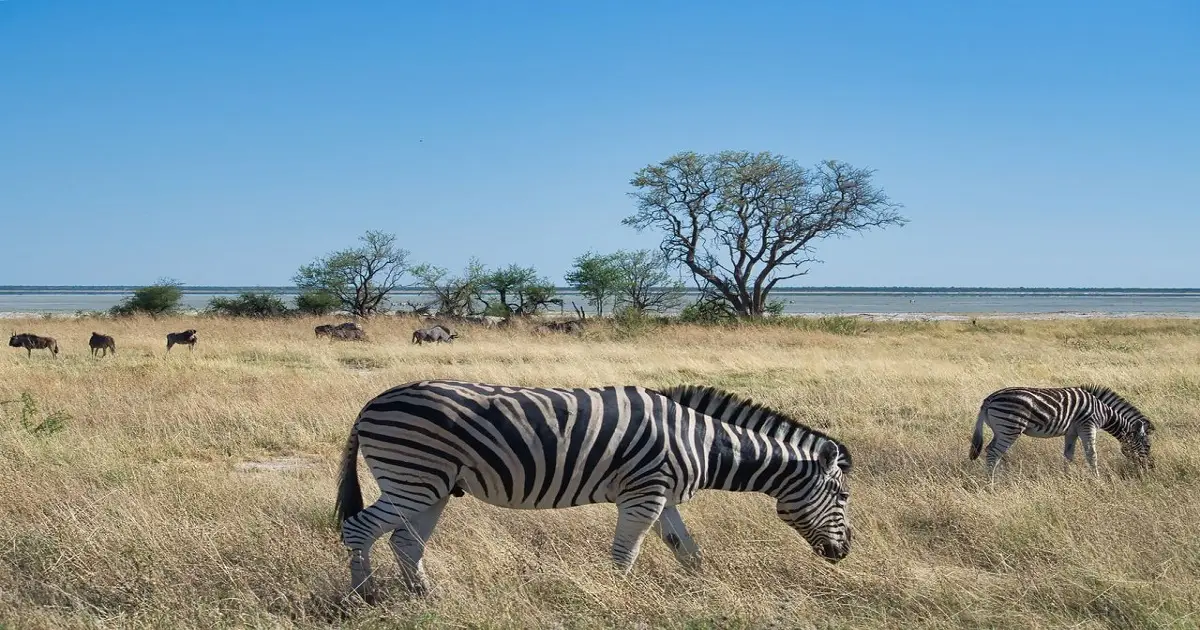
A tropical grassland, commonly called a savanna, is a warm, open ecosystem shaped by seasonal rainfall. It has a distinct wet season followed by a longer dry season. This pattern supports grasses, along with scattered trees and shrubs that can tolerate periods of limited water.
these ecosystems support diverse wildlife, including large herbivores, predators, birds, reptiles, and insects. Their open landscapes also provide feeding and movement areas for many species.
Savannas occur across parts of Africa, South America, Australia, and Asia. India also has tropical grassland and savanna landscapes with distinctive vegetation and wildlife. Climate, fire, grazing, and water availability all influence how these ecosystems develop and change.
What Is a Tropical Grassland?
A tropical grassland is a warm, open ecosystem dominated by grasses and seasonal rainfall. It develops where moisture supports grass growth but does not remain high throughout the year.
These landscapes are commonly known as savannas. A tropical savanna usually contains grasses with scattered trees and shrubs. These woody plants remain widely spaced because seasonal dryness, grazing, and fire can limit dense tree growth.
Seasonal moisture availability is a defining feature of tropical grassland biome. Rainfall increases during the wet season and declines during the dry season. Grasses respond quickly to seasonal rain, producing new growth when water becomes available.
This seasonal pattern helps maintain an open landscape rather than a dense, continuous tree canopy. The result is a distinctive ecosystem where grasses remain dominant across much of the landscape.
Tropical savannas are one of the major forms of grassland ecosystems found around the world. Their climate, vegetation, wildlife, and seasonal conditions vary between regions.
Tropical Grassland Climate
Climate of theses ecosystems is defined by warm temperatures and a clear seasonal pattern of rainfall. The balance between wet and dry periods helps maintain open savanna landscapes.
Wet and Dry Seasons
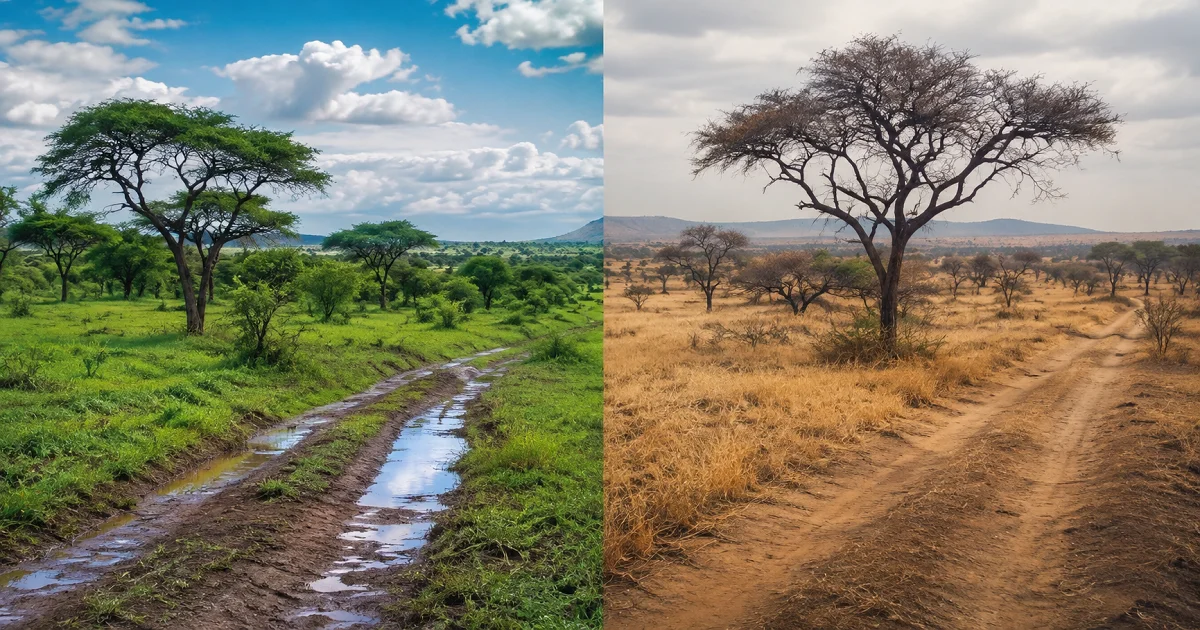
The wet season brings most of the annual precipitation to tropical grasslands. Rainfall may arrive through seasonal storms rather than remaining evenly distributed throughout the year.
During this period, grasses grow rapidly and produce fresh leaves and stems. Soil moisture also increases, allowing vegetation to recover after the dry months.
The dry season brings much less rainfall and creates stronger water stress. Grass growth slows, and some plants become dormant until seasonal rains return. Therefore, seasonal rainfall strongly controls vegetation growth across tropical savannas.
Temperature and Rainfall
Tropical savannas generally remain warm throughout the year. However, rainfall changes more noticeably between seasons than temperature.
Annual precipitation varies between regions, with wetter areas receiving more rainfall and drier areas experiencing longer dry seasons.
This combination creates a warm climate with pronounced seasonal moisture availability. It is a key factor that helps maintain the open structure of many tropical savannas.
Drought and Fire
Dry-season drought can reduce soil moisture and place grasses under considerable water stress. Longer dry periods may slow growth and increase vegetation dryness.
Fire is also an important influence in many savannas. Natural fires can start from lightning, while people may also use controlled burning for land management.
Regular fire can limit woody vegetation and help maintain open grassland conditions. However, very frequent or intense fires can alter vegetation and ecosystem conditions.
Tropical Grassland Vegetation
These ecosystems support vegetation that can survive heat, seasonal rainfall, drought, grazing, and fire. Their plant communities change with rainfall, soil conditions, and the length of the dry season.
Grasses and Ground Vegetation
Grasses form the dominant vegetation across most savannas. They grow quickly during the wet season when rainfall provides enough moisture.
Many tropical grasses have strong root systems and narrow leaves that can reduce water loss. Their growth points often remain close to the ground, helping them recover after grazing.
During dry periods, some grasses become dormant and turn brown. They resume growth when rainfall returns. This ability allows tropical grasslands to remain productive despite long periods of limited moisture.
Trees and Shrubs
Trees and shrubs occur across many tropical grasslands, but they rarely form a continuous canopy. Their density varies with rainfall, soil conditions, fire, and grazing pressure.
Where rainfall is higher, trees may grow more densely. Drier areas usually have fewer woody plants and more open grass cover.
Trees and grasses also compete for water, especially during dry seasons. Limited moisture can therefore restrict tree growth and help maintain the open structure of savanna vegetation.
Plant Adaptations to Dry Seasons and Fire
Plants in savannas have adaptations that help them survive seasonal drought, grazing, and fire. Deep root systems allow some plants to access moisture below the surface.
Soil characteristics also influence water availability. The moisture retention and organic matter found in grassland soil can affect how plants cope with dry periods.
Some plants reduce growth during severe drought and resume growth after rainfall returns. Others have narrow leaves or waxy surfaces that can reduce water loss.
Fire is another major influence on savanna vegetation. Many grasses survive fire because their growing points remain protected near the ground. After rainfall, they can produce fresh shoots from underground parts.
Some trees and shrubs tolerate periodic fires through thick bark or protected buds. Together, drought tolerance, fire resistance, and rapid regrowth help maintain tropical grassland vegetation.
Tropical Grassland Wildlife
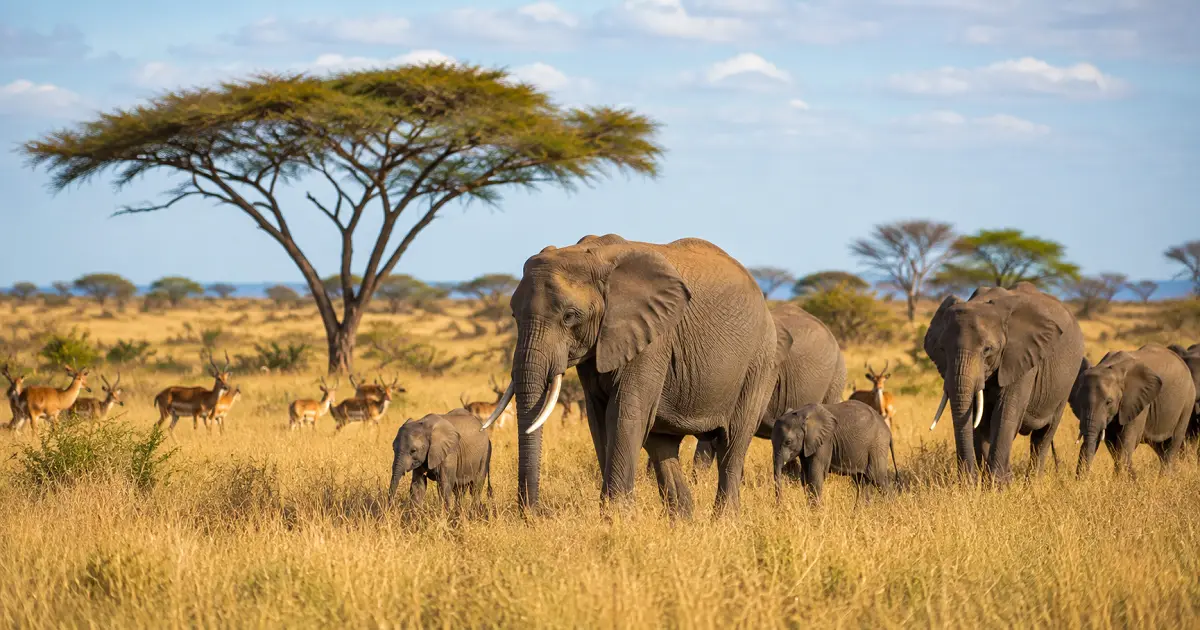
These ecosystems support a wide range of animals because their open landscapes provide food, shelter, and movement areas. Wildlife varies between regions, but savanna grasslands support diverse wildlife, including large herbivores, predators, birds, reptiles, and many smaller species.
Large Herbivores
Large herbivores form an important part of tropical grassland wildlife. Zebras, wildebeest, antelopes, giraffes, and elephants are well-known examples from African savannas.
Many grazing animals feed on grasses and move across large areas as food and water conditions change. Some species travel seasonally to reach areas with better vegetation and water.
Giraffes mainly browse leaves from taller plants, while zebras and wildebeest rely heavily on grasses. Elephants can also feed on grasses, shrubs, bark, and other vegetation.
Predators and Scavengers
Tropical grasslands also support predators such as lions, cheetahs, and leopards. These animals use open areas to locate and pursue suitable prey.
Hyenas are both hunters and scavengers in many savanna regions. Vultures also feed on animal remains and are common scavengers in several African savannas.
Together, predators and scavengers form an important part of many tropical grassland wildlife communities.
Birds, Reptiles, and Smaller Animals
Birds, reptiles, insects, and small mammals add further diversity to tropical grassland fauna. Ostriches, secretary birds, snakes, lizards, rodents, termites, and grasshoppers occur in different savanna regions.
These animals use grasses, scattered trees, soil, and small shelters for feeding and protection. Their presence also reflects the variety of habitats within open grassland landscapes.
Wildlife Adaptations
Tropical grassland animals face changing water supplies, high temperatures, seasonal drought, and open landscapes. Many grazing animals travel to find fresh vegetation and water.
Some species tolerate heat through behavioral changes, while others remain active during cooler parts of the day. Herding can also provide protection from predators.
Open landscapes make movement easier but provide fewer places to hide. Therefore, speed, alertness, camouflage, and coordinated movement help many savanna animals survive.
Where Are Tropical Grasslands Found?
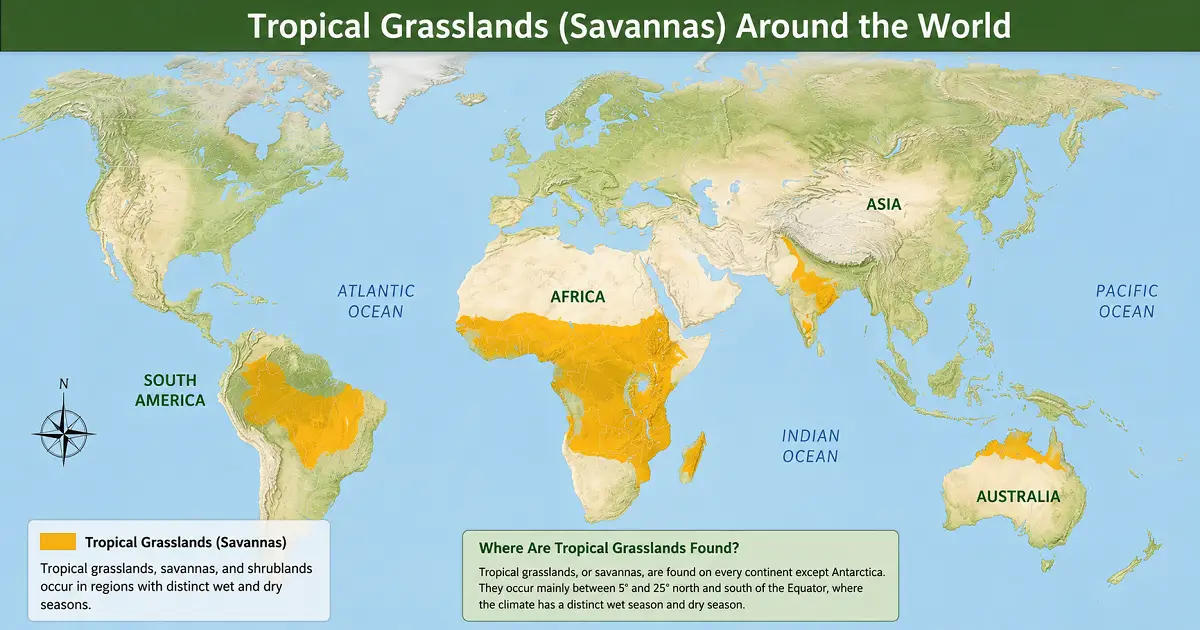
Tropical grasslands occur in warm regions where rainfall changes strongly between wet and dry seasons. They are found across Africa, South America, Australia, and parts of Asia.
Tropical Grasslands in Africa
Africa contains some of the world’s largest tropical savanna regions. The Serengeti and surrounding East African plains are well-known examples. These landscapes contain broad grasslands, scattered trees, and seasonal water sources that support large populations of grazing animals and other wildlife.
Tropical Grasslands in South America
South America has several important tropical savanna regions. The Cerrado in Brazil is one of the largest and most diverse examples. It covers extensive areas of central Brazil and contains grasses, shrubs, and scattered trees shaped by seasonal rainfall and dry periods.
Tropical Grasslands in Australia and Asia
Northern Australia contains extensive tropical grasslands and savannas. These landscapes range from open grasslands to areas with scattered trees and woodland.
Tropical savannas also occur across parts of southern and Southeast Asia. Their distribution is closely associated with warm temperatures and pronounced seasonal rainfall.
Tropical Grasslands in India
India has several tropical grassland and savanna landscapes across its warmer regions. Many occur across the Deccan Plateau and parts of western and central India. These landscapes receive seasonal rainfall followed by a distinct dry period.
Grasses can remain dominant because they recover after grazing, drought, and periodic fires. Northern India also contains wetter grasslands, including the Terai region, where strong monsoon rainfall supports tall grasses during the wet season.
Therefore, tropical grassland in India does not represent one uniform landscape. Rainfall, soil, elevation, fire, grazing, and land use influence its distribution and appearance.
Tropical Grassland Examples
Tropical grasslands occur across several continents, and each region has its own characteristics.
Serengeti, East Africa: Famous for broad grass-covered plains and large herds of grazing animals.
Cerrado, Brazil: A vast tropical savanna region containing grasses, shrubs, and scattered trees.
Northern Australian savannas: Extensive seasonal grasslands with scattered trees and woodland.
Indian savanna landscapes: Tropical grassland and savanna environments occur across several warm, seasonally dry parts of India.
These examples show how rainfall, soil, fire, and local growing conditions create different tropical grassland landscapes.
Tropical Grassland vs Tropical Rainforest
Tropical grasslands and tropical rainforests both occur in warm parts of the world. However, they develop different landscapes because moisture is distributed differently throughout the year.
| Features | Tropical Grassland | Tropical Rainforest |
| Rainfall pattern | Strong Seasonal variation | High rainfall through most of the year |
| Dry Season | Usually pronounced | Often shorter or less severe |
| Main vegetation | Grass with scattered trees and shrubs |
Dense trees with layered vegetation |
| Canopy | Open with large gaps | Dense and mostly continuous |
| Fire | Can strongly influence vegetation |
Less influential under nature |
| Light reaching the ground |
Relatively plentiful | Limited by the tree canopy |
The distinct dry season helps maintain the open structure of tropical grasslands. Limited water can restrict tree growth, while grasses recover quickly after seasonal rainfall.
Fire and grazing can reinforce this pattern by influencing woody plants, grass cover, and vegetation height.
Tropical rainforests grow under wetter conditions that support dense tree cover and layered vegetation. Their continuous canopy allows less sunlight to reach the ground.
The contrast becomes clearer when examining tropical forest ecosystems. Overall, seasonal moisture, fire, and vegetation structure are key factors that distinguish tropical grasslands from tropical rainforests.
Why Are Tropical Grasslands Important?
Tropical grasslands provide habitat for many plants, herbivores, predators, birds, insects, and other organisms. Their varied landscapes create feeding, breeding, and shelter opportunities for wildlife.
These ecosystems also support grazing animals and pastoral communities. Livestock production provides food and income for people living in many savanna regions.
Tropical grasslands store carbon in vegetation and soil, while deep-rooted grasses can support nutrient cycling and help reduce erosion.
Large, connected savanna landscapes also allow animals to move between feeding, breeding, and water areas. They have additional conservation and tourism value, supporting wildlife protection and local livelihoods.
Healthy tropical grasslands therefore provide ecological, economic, and social benefits.
Threats to Tropical Grasslands
Tropical grasslands face several threats that can change their natural structure and function. Human land use is a major pressure across many savanna regions.
Agricultural expansion can replace native grasslands with cropland or intensive pasture. As natural areas disappear, wildlife also loses feeding and breeding habitats.
Habitat fragmentation creates smaller, isolated patches of savanna vegetation. Roads, farms, settlements, and other developments can divide once-connected habitats.
Fire also needs careful management. Frequent burning can damage vegetation, while fire exclusion may allow woody plants to spread into open grasslands.
Overgrazing can reduce plant cover and leave the ground more exposed. Invasive species may then spread and compete with native plants.
Changes in water availability can further alter vegetation. Dams, irrigation, groundwater use, and changing rainfall patterns may affect seasonal water supplies.
Climate change adds another layer of pressure. Rising temperatures, shifting rainfall, longer droughts, and changing fire patterns can increase grassland degradation. Protection and sustainable management can help these landscapes withstand growing pressures.
Frequently Asked Questions About Tropical Grasslands
Tropical grasslands raise common questions about their climate, plants, wildlife, location, and distinctive features. The answers below address some of the most common questions about savannas.
What is a tropical grassland called?
Tropical grasslands are commonly called savannas. They have warm conditions, seasonal rainfall, grasses, and scattered trees or shrubs.
What is meant by tropical grasslands?
Tropical grasslands are warm ecosystems where grasses dominate under seasonal rainfall. They usually have a clear dry season and open vegetation.
Which is the largest tropical grassland in the world?
There is no single universally accepted answer because savanna and grassland boundaries vary by classification. The Cerrado in Brazil is one of the world’s largest tropical savanna regions.
Which animals live in tropical grasslands?
Tropical grasslands support animals such as zebras, antelopes, wildebeest, elephants, giraffes, lions, cheetahs, hyenas, birds, reptiles, and insects.
Is there a tropical grassland in India?
Yes. India has tropical savanna and grassland landscapes across parts of the Deccan Plateau, western India, central India, and other seasonally dry regions.
What are some tropical grassland examples?
Examples include the Serengeti in East Africa, the Cerrado in Brazil, northern Australian savannas, and several tropical savanna landscapes in India.
What plants grow in tropical grasslands?
Grasses form the main vegetation, while shrubs and scattered trees also occur. Many plants tolerate seasonal drought, grazing, and periodic fire.
Conclusion
Tropical grasslands, commonly known as savannas, are warm, open ecosystems shaped by seasonal rainfall. Grasses dominate these landscapes, while scattered trees and shrubs provide additional habitat for diverse wildlife.
These ecosystems occur across Africa, South America, Australia, Asia, and parts of India. Their biodiversity and seasonal productivity also support grazing, wildlife conservation, tourism, and local livelihoods.
However, tropical grasslands face pressure from agricultural conversion, habitat fragmentation, overgrazing, altered fire patterns, invasive species, and climate change. Protecting them requires sustainable land management, appropriate fire practices, and long-term habitat conservation.